King Bedroom Furniture: A Complete Guide To Creating Your Dream Sleep Sanctuary In 2026
Setting up a king bedroom requires more than just picking a bed frame and hoping for the best. A king bedroom furniture setup is an investment in both comfort and functionality, two things that shouldn’t be compromised when you spend a third of your life sleeping. Whether starting from scratch or refreshing an existing room, understanding the basics of king bed dimensions, essential pieces, and how to arrange them thoughtfully will transform the space into an actual retreat. This guide walks through the practical steps to furnish a king bedroom that works for your lifestyle and budget.
Key Takeaways
- A standard king bed measures 76 inches wide by 80 inches long and shouldn’t consume more than 40% of your room’s floor space to avoid a cramped feel.
- Proper king bedroom furniture placement—with the bed headboard against a solid wall and at least 2 feet of clearance on each side—maximizes usable floor space and creates a natural focal point.
- Essential king bedroom furniture pieces include nightstands at mattress height (24–28 inches), a functional dresser, and layered lighting with bedside lamps and dimmer switches.
- Invest in quality where you spend the most time: a solid bed frame and mattress ($800–$2,000) provide better long-term value than budget alternatives that fail quickly.
- Budget-friendly king bedroom furniture setup works when you mix finishes, incorporate used pieces, and prioritize storage solutions like bed frames with drawers and floating shelves.
- Functionality and beauty work together—define what your room needs to do first (work space, guest storage, skincare routine), then layer in cohesive accessories like throws, pillows, and art to tie the design together.
Understanding King Bed Dimensions And Layout Considerations
A standard king bed measures 76 inches wide by 80 inches long, that’s 16 inches wider than a queen. Before moving forward with any furniture purchase, measure the room from wall to wall and account for doors, windows, and closets. The bed itself shouldn’t consume more than 40 percent of the room’s floor space, or it’ll feel cramped.
Placement matters too. If possible, position the bed with the headboard against a solid wall opposite the door. This creates a focal point when entering and maximizes usable floor space on either side. Allow at least 2 feet of clearance on each side for nightstands and traffic flow. If your room is tight, a bed frame with drawers underneath can serve double duty for off-season storage or extra linens. Measure ceiling height as well, tall bed frames (especially those with canopies or upholstered headboards) can make low ceilings feel even lower. Standard bedroom ceilings are 8 feet: anything under that needs visual restraint in furniture height.
Essential King Bedroom Furniture Pieces For A Complete Room
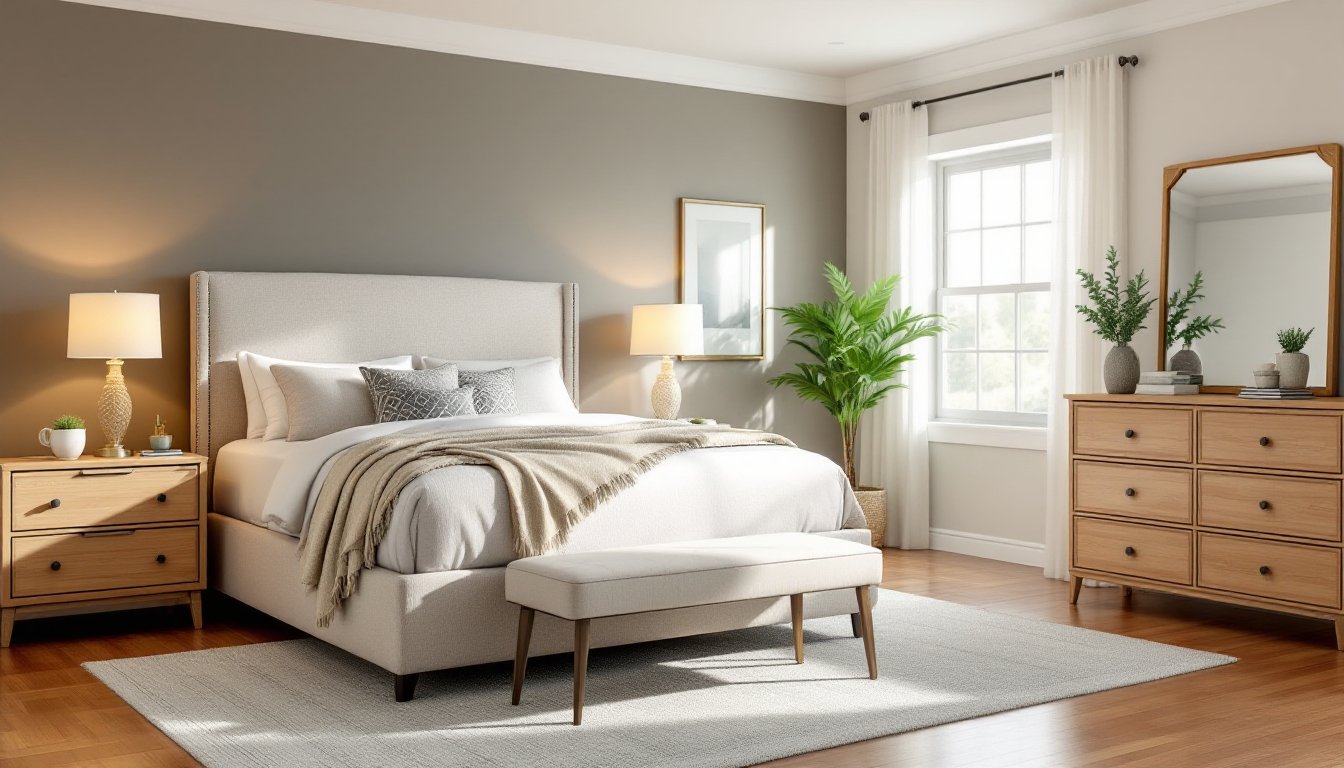
Beyond the bed frame itself, a functional king bedroom needs nightstands, a dresser, and adequate lighting. Nightstands should sit at roughly the same height as your mattress top (typically 24–28 inches) so reaching for a lamp or phone doesn’t require awkward stretching. They’re often underestimated as storage, drawers or shelves prevent clutter and keep essentials within arm’s reach.
Lighting is critical and often overlooked. A single overhead fixture isn’t enough: bedside lamps provide task lighting for reading or winding down, while a dimmer switch on the main light reduces harsh brightness. If the room lacks a ceiling fixture, a pair of wall-mounted reading lights flanking the headboard works well and saves nightstand real estate.
A bench at the foot of the bed is optional but practical, it’s a staging area for tomorrow’s clothes or a place to set luggage without hopping on the mattress. If the room has adequate square footage, a small seating area with a chair or chaise can turn the bedroom into a genuine retreat rather than just a sleeping box.
Bedroom Dressers And Storage Solutions
Dressers anchor the room visually and provide essential everyday storage. A 5-drawer or 6-drawer dresser is standard: taller models (8+ drawers) work in larger rooms but can overwhelm smaller spaces. Dresser depth matters, most run 16–18 inches deep, which fits against most walls without blocking traffic.
Consider a dresser with a mirror, or pair a lower dresser with a separate wall-mounted mirror above it. Tall dressers topped with a mirror create a vanity-like setup that’s both functional and visually balanced. For smaller rooms, floating shelves above a wall-mounted dresser maximize vertical space without the bulk of a traditional piece. If storage is tight, look for bed frames with integrated drawers or ottoman-style benches that offer hidden compartments. Quality matters here, solid wood dressers cost more upfront but withstand years of daily use better than particleboard alternatives.
Choosing The Right Style To Match Your Home Aesthetic
Bedroom style isn’t about trends that change yearly, it’s about what feels right in your home and what you’ll live with happily for the next 5–10 years. Before buying anything, walk through your house and note the finishes already present: are door frames dark wood or light? Is hardware throughout the home brushed nickel or brass? Does the space lean minimalist, eclectic, or traditional? Your king bedroom shouldn’t clash with the rest of the home, even if its style is its own.
Many homeowners find inspiration in luxury home design ideas that showcase how professional designers balance scale, color, and proportion in larger bedrooms. These examples help clarify whether your instinct leans toward clean lines or ornamental details.
Modern Vs. Traditional: Finding Your Design Direction
Modern furniture emphasizes clean lines, neutral palettes, and minimalist hardware. Frames are often low-profile, dressers feature flat fronts without ornate details, and finishes tend toward white, gray, or natural wood. Modern works well in smaller rooms because it visually expands space. It’s also forgiving if you rearrange, modern pieces function solo or grouped together without fussiness.
Traditional furniture includes more ornamentation: turned legs, raised panels on drawers, richer finishes like cherry or mahogany, and decorative hardware. These pieces make a statement and anchor a room’s character but require intentional coordination. Traditional also tends to photograph well and age gracefully, a quality traditional dresser from 20 years ago still looks complete today.
Transitional style splits the difference: simplified details with warmth, neutral tones but interesting wood tones, and hardware that’s refined without being spare. It’s the safest middle ground if you’re unsure. Resources like Architectural Digest regularly explore how transitional pieces fit into modern homes, offering a practical blueprint for blending aesthetics without visual discord.
Budget-Friendly Tips For Furnishing A King Bedroom
Furnishing a king bedroom doesn’t require six-figure spending, but prioritizing where to invest prevents cheap purchases that fail within a year. Start with the bed, it’s where you’ll spend the most time, so a solid frame and a quality mattress justify the expense. Expect to spend $800–$2,000 for a reliable bed frame and quality mattress combo. Cutting corners here means poor sleep and premature sagging or squeaking.
Secondary pieces can be more flexible. A dresser from a local used furniture shop or estate sale often costs half of new retail and carries more character. Nightstands don’t need to match the bed or dresser exactly, mixing finishes (white bed frame, wood nightstands, upholstered bench) creates visual interest and stretches the budget. Wall-mounted shelves or a floating desk replace expensive bedside tables if space is ultra-tight.
Consider modular or expandable pieces. A basic dresser now can be paired with additional modules or complementary pieces later as budget allows. This approach spreads costs and lets you live with each addition before committing to the full set. Many designers use luxury bed designs as inspiration but then adapt those concepts with more affordable materials and finishes, the silhouette and proportions matter more than the price tag.
Making Your King Bedroom Functional And Beautiful
Functionality and beauty aren’t competing goals, they’re intertwined. A bedroom that looks great but stores nothing becomes cluttered fast, and one that prioritizes storage without aesthetics feels institutional.
Start by defining what the room needs to do. If you work from home, a small desk or lap surface matters. If guests stay over occasionally, under-bed storage for extra bedding justifies a raised frame. If your mornings include a skincare routine, ensure the dresser mirror has good lighting and counter space. Once the essentials are in place, layer in style: throw pillows, a quality rug, wall art, and window treatments tie everything together visually and make the room feel intentional rather than furnished from a checklist.
Accessories do the heavy lifting here. A well-chosen bedspread, coordinating throw blanket, and two or three accent pillows cost far less than replacing a dresser but completely transform how the room feels. Bedside lamps set mood and function simultaneously. A single large piece of wall art anchors the space better than three smaller ones. These choices let personality shine without requiring every piece of furniture to be custom or high-end.
Final spacing tips: nightstands should be within arm’s reach (12–18 inches from the bed), and there should be clear floor space between the foot of the bed and any dresser or seating (at least 3 feet for comfortable traffic flow). Mirrors amplify light and make rooms feel larger, placing one opposite a window or light source is a decorator’s trick that costs nothing if you’re already buying a dresser mirror. Small choices in arrangement yield big returns in comfort and visual flow.