Job Lot Patio Furniture: How to Score Quality Outdoor Pieces on a Budget in 2026
Patio furniture doesn’t have to drain your wallet. Job lot patio furniture, overstock, closeouts, and surplus pieces sold in bulk, offers homeowners a legitimate way to furnish outdoor spaces for a fraction of retail prices. Whether you’re outfitting a small balcony or filling a sprawling deck, knowing where to look and what to look for separates savvy shoppers from those stuck with wobbly chairs and rust-spotted tables. This guide walks you through finding, evaluating, and styling budget patio furniture without sacrificing quality or aesthetics.
Key Takeaways
- Job lot patio furniture offers 40-70% discounts below retail by sourcing overstock, closeouts, and bulk inventory through warehouse clubs, liquidation sites, and online marketplaces.
- Carefully inspect frames for structural integrity, rust-prone fasteners, and material compatibility with your climate before purchasing discounted outdoor pieces.
- Embrace mismatched furniture by anchoring your design with consistent colors, materials, and proportions, then unify disparate pieces using textiles, rugs, lighting, and accessories.
- Time your shopping during shoulder seasons (April, October) and post-holiday liquidations to access better selection and lower prices on job lot patio furniture.
- Budget for annual maintenance costs—paint touch-ups, cushion replacement, and rust prevention—to avoid long-term expenses that offset initial savings.
What Is Job Lot Patio Furniture?
Job lot patio furniture refers to bulk purchases of overstock, clearance, returned, or discontinued outdoor pieces sold at deep discounts, often 40-70% below retail. These items come from manufacturer overruns, store liquidations, or seasonal inventory purges. Unlike true “damaged goods” bins, job lots typically contain new or like-new furniture with cosmetic flaws at worst.
Retailers and liquidation companies buy these lots by the truckload and resell them at outlets, warehouse clubs, and online marketplaces. The catch? You’re buying what’s available, not necessarily what matches your exact vision. Job lots work best for homeowners willing to adapt their design around what they find, rather than chasing a specific aesthetic.
The savings are real, but so are the constraints. Stock rotates constantly, return policies are usually strict or nonexistent, and you won’t get the customization options of full-price retailers. Understanding these trade-offs helps you decide if job lot shopping fits your project.
Where to Find the Best Deals on Job Lot Outdoor Furniture
Job lot patio furniture lives in several predictable channels. Costco and Sam’s Club rotate seasonal clearance furniture year-round: their outdoor sections refresh most aggressively in late August through September and again in January. Membership costs money upfront, but per-piece pricing often beats standalone outlets.
Discount furniture warehouses like American Freight and Wayfair’s Outlet carry permanent job lots alongside liquidation inventory. These shops update stock weekly, so visiting often pays off.
Online, Facebook Marketplace, Craigslist, and OfferUp host private sellers offloading last year’s sets, usually at better prices than stores. Negotiate: most sellers expect it. Liquidation sites like Overstock Clearance and Liquidation.com sell pallet quantities, ideal if you’re furnishing multiple properties or running a rental business.
Don’t overlook floor models at furniture showrooms. Retailers mark these down heavily to clear space for new lines, especially at the end of each season. Big-box home improvement stores often have outdoor furniture bargain bins near their seasonal sections, June through July are peak clearance months. Timing your shopping around holiday weekends (Memorial Day, Labor Day) or post-season liquidations maximizes savings.
How to Evaluate Quality and Durability When Shopping Closeouts
Never assume “discount” means “disposable.” Inspect every frame before purchase. Metal furniture should have no dents, cracks, or stress fractures in welds or joints. Run your hand along welds: rough spots hint at poor repair work. Press down on corners and joints, movement means loose fasteners or structural failure ahead.
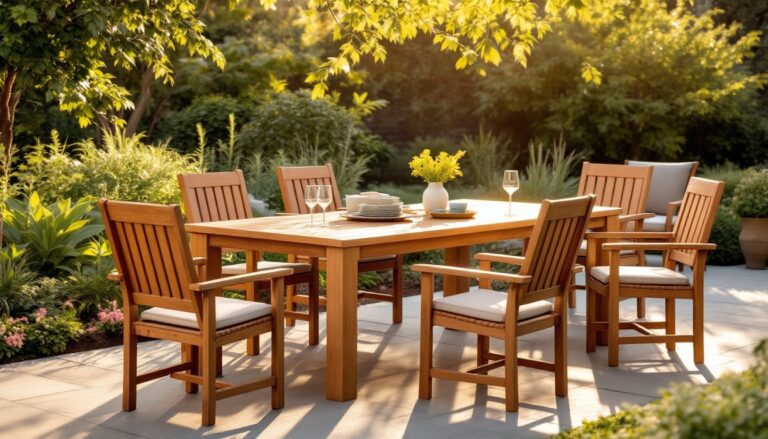
For wooden frames, check for splintering, splits, or soft spots indicating rot. Teak and cedar age beautifully: pressure-treated pine rots faster in wet climates. Bounce the seat, solid frames feel firm, not spongy. Cushions and upholstery wear fast outdoors: focus frame quality since replacing cushions is cheap, replacing a frame is not.
Look at hardware: bolts, hinges, screws. Cheap fasteners rust within a season in humid climates: stainless steel or galvanized hardware lasts longer but costs more. Missing screws? That’s a red flag the piece was damaged or poorly stored.
Ask about the piece’s history. Was it floor stock (likely fine), returned customer merchandise (possible hidden damage), or outdoor display stock (weathered)? Outdoor display models are risky, UV exposure and moisture seeping into frames cause invisible degradation. Test any mechanical parts: reclining chairs, folding tables, or adjustable sections should move smoothly without grinding sounds.
Finally, factor in the material. Aluminum is lightweight and rust-proof but dents easily. Steel is sturdy but needs paint maintenance in humid areas. Plastic resin withstands weather well but can fade and become brittle in direct sun. Match material to your climate: coastal areas demand stainless or resin: four-season climates benefit from sealed wood or high-grade powder-coated metal.
Smart Tips for Mixing, Matching, and Styling Budget Furniture
Job lot shopping forces creativity. You’ll rarely find a matching five-piece set, so embrace the eclectic approach. Start with a color anchor, say, gray metal frames or natural teak. Choose two accent colors (white cushions and terracotta pots) and repeat them across different pieces. Mismatched doesn’t mean chaotic: consistency in material and color palette ties disparate pieces together.
Scale matters as much as style. Mix a low modern chaise with a mid-height bistro chair and a taller bar stool if they’re in proportion to each other and your space. A tiny side table looks intentional next to a large dining set: a lone oversized lounge chair looks abandoned.
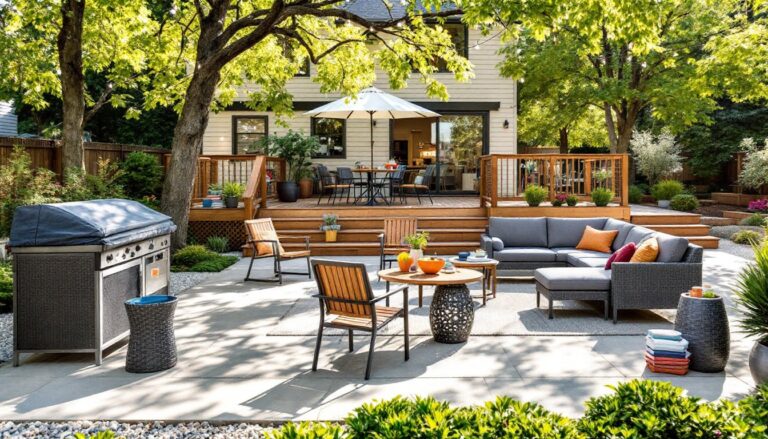
Consider outdoor living ideas from garden design sites when arranging furniture zones. Create a seating conversation area, a dining zone, and a lounging corner if space allows. This structure makes mismatched pieces feel curated rather than haphazard. A cohesive outdoor area relies on layout and flow, not uniform furniture styles.
Creating Cohesive Outdoor Spaces With Mismatched Pieces
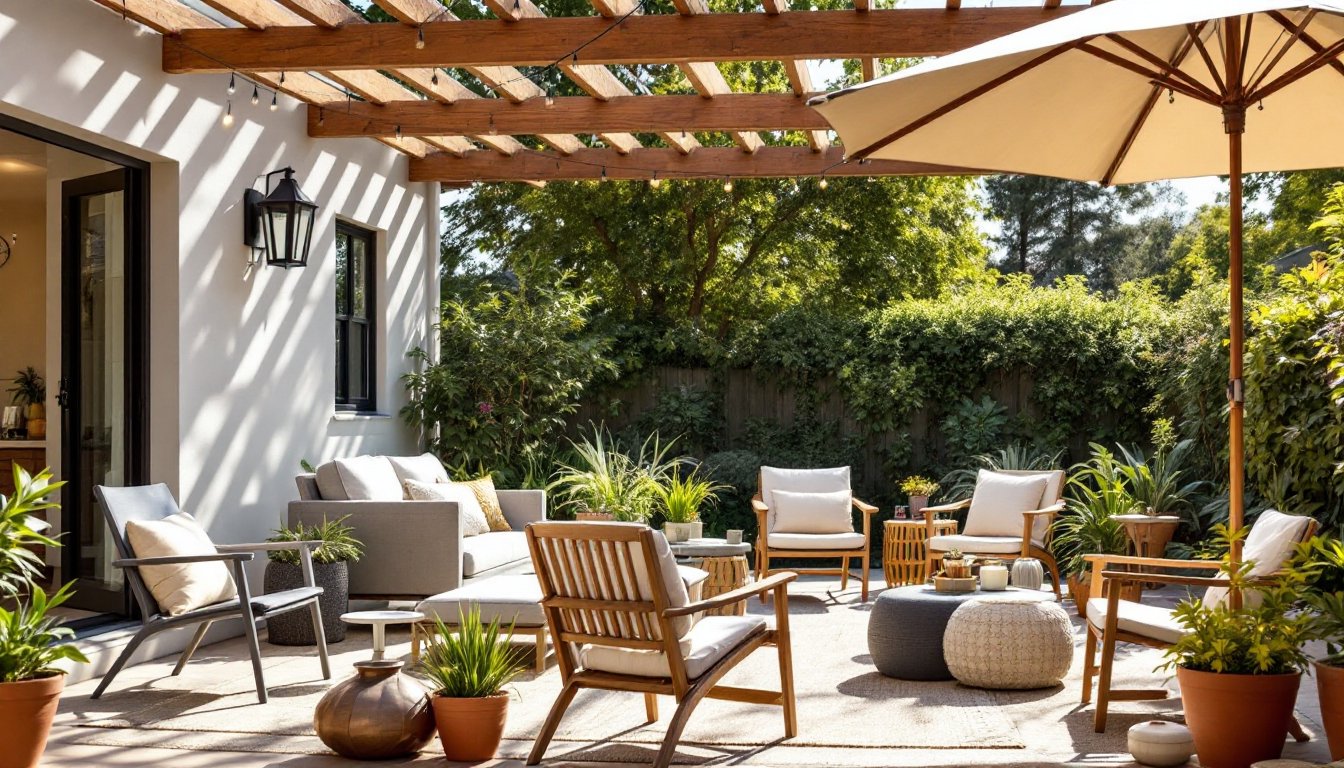
Use textiles and accessories to unify disparate furniture. Throw pillows in a consistent color story work across different chair styles. Outdoor rugs anchor seating areas and tie colors together visually. A shade structure, umbrella, pergola, or shade sail, frames the furniture and lends intentionality to the arrangement. These elements cost far less than replacing furniture and transform a random collection into a designed space.
Layering also helps. A few potted plants clustered between chairs soften the visual impact of mixed styles. String lights overhead create ambiance that distracts from furniture mismatches. A weathered wooden console table holding drinks and decor adds warmth and purpose even if it doesn’t match the chairs. Paint a mismatched metal frame set the same color for instant cohesion, gloss outdoor paint ($15-30 per can) is far cheaper than new furniture.
Common Pitfalls to Avoid When Buying Discounted Patio Furniture
The biggest mistake: buying items you don’t actually need because they’re cheap. A $50 chair that doesn’t fit your space, climate, or style wastes money and clogs your garage. Set a budget and stick to it. Calculate your square footage and layout before shopping so you know exactly what you need: seating count, table dimensions, lounging space.
Ignoring seasonal timing costs money. Buying heavy duty winter furniture in March means storing it for months. Job lots sell fast in peak seasons (spring and early fall), so competition is fierce and stock is picked over. Shoulder seasons (April, October) offer better selection and less crowding, plan accordingly.
Don’t skip the fine print on returns. Most liquidation outlets and clearance sections offer no returns, exchanges only, or 7-day windows. Once you leave the lot, that wobbly chair or stained cushion is yours. Photos from phones make poor evidence in disputes: if buying online, request detailed photos of flaws before purchase.
Underestimating maintenance needs damages budgets. Cheap finishes require annual sealing or repainting. Cushions from discount lots fade and degrade faster than premium options: budget $100-300 annually to refresh them. Rust can appear quickly on bargain metal frames in coastal or very humid regions, factor in touch-up paint and corrosion inhibitor costs if buying steel. Modern home design resources sometimes showcase budget-friendly styling, but rarely address the long-term upkeep cost difference between investment and discount pieces.
Finally, resist the urge to “complete the set” later. Matching discontinued patterns or retired colors becomes impossible. Buy complete enough in your first pass to function, or accept from the start that your outdoor space will evolve piecemeal. Half a discount set abandoned in the shed helps no one.
Conclusion
Job lot patio furniture isn’t a shortcut for lazy shopping, it’s a legitimate strategy for budget-conscious homeowners willing to hunt, inspect carefully, and think creatively about layout and styling. Success depends on knowing where to look, what to check before buying, and how to unify mismatched pieces into a cohesive outdoor living space. Done right, job lot shopping delivers outdoor furniture that’s functional, attractive, and genuinely affordable, letting you invest money into design, accessories, and maintenance rather than overpaying for retail branded pieces.