Deep Seating Patio Furniture Sets: The Ultimate Guide to Comfort and Style in 2026
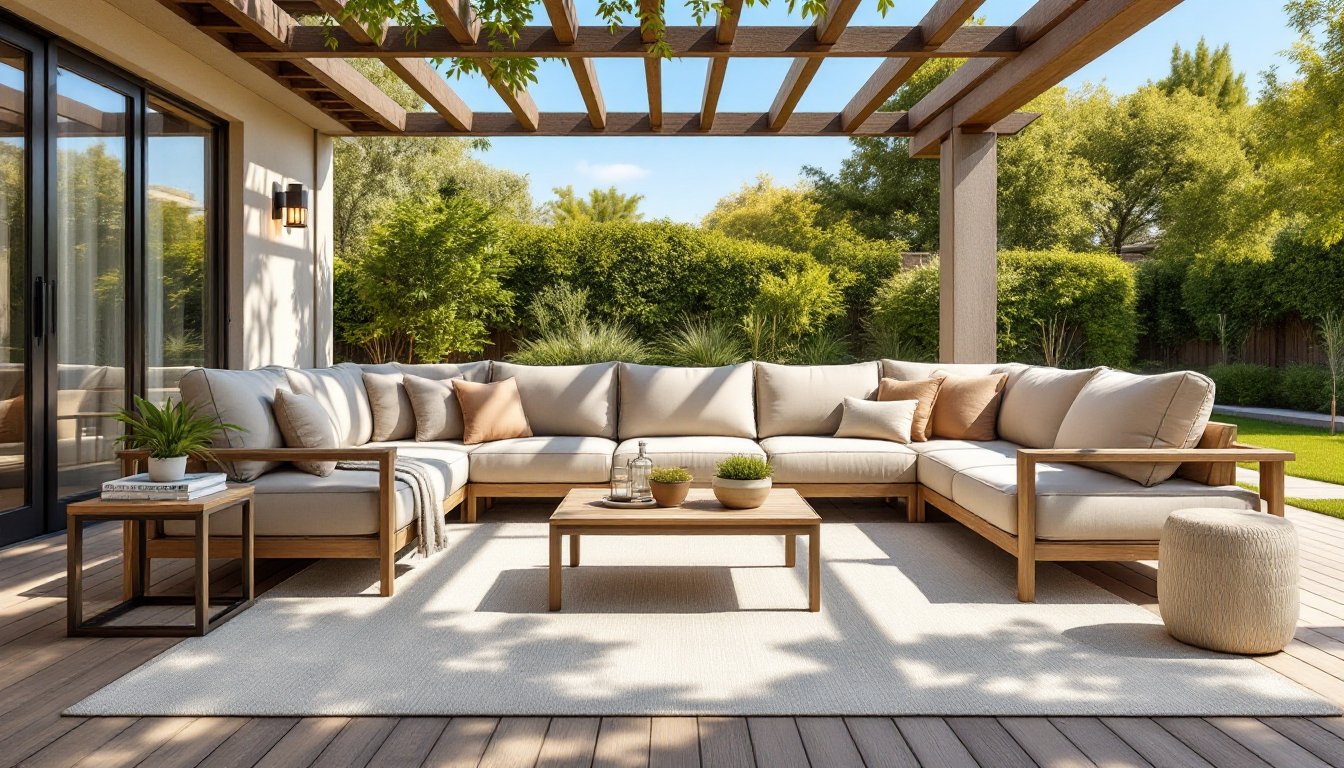
Deep seating patio furniture sets have become the go-to choice for homeowners looking to create an inviting outdoor retreat. Unlike standard outdoor seating, deep seating options feature thicker cushions, larger frames, and a relaxed silhouette that prioritizes sink-in comfort over minimal footprints. Whether you’re gathering with family on a Sunday afternoon or hosting weekend entertaining, the right deep seating ensemble transforms your patio, deck, or garden into a living space that rivals your indoor rooms. This guide walks you through what makes deep seating furniture special, how to choose the best materials for your climate, and practical tips for keeping your investment looking fresh for years to come.
Key Takeaways
- Deep seating patio furniture sets feature thicker cushions (5–6 inches) and deeper seats (10–14 inches) that provide genuine lounge-like comfort, making them ideal for creating an inviting outdoor retreat.
- Choose materials based on your climate: aluminum for coastal and humid regions, teak or hardwoods for wet climates, and avoid wicker in exposed areas where fading and cracking occur faster.
- Modular deep seating configurations allow flexible layouts suited to your space, from L-shaped sectionals in corner patios to conversation clusters and island setups on larger decks.
- Proper maintenance—including seasonal cushion storage, monthly frame cleaning, and resealing wooden frames every 2–3 years—extends your investment’s lifespan from 5 to 15+ years.
- Layer outdoor fabrics like Sunbrella, add 2–3 primary colors with complementary throw pillows, and install shade structures to enhance both aesthetics and the long-term durability of your deep seating ensemble.
What Are Deep Seating Patio Furniture Sets?
Deep seating patio furniture refers to outdoor seating with exaggerated proportions, think oversized cushions, wider seats, and deeper profiles that swallow you whole in comfort. The frames are typically built from aluminum, teak, or weather-resistant hardwoods like eucalyptus, and the cushions are generously padded with outdoor-grade foam. Standard outdoor sofas sit 6–8 inches deep: deep seating models go 10–14 inches or more, giving you genuine lounge-like comfort on your deck.
A typical deep seating set includes a sofa (or sectional), accent chairs, a coffee table, and sometimes ottomans or chaises. What sets them apart is the cushion thickness, usually 5–6 inches compared to 2–3 inches on basic sets, and the overall seat height, which hovers around 16–18 inches, making it effortless to sit and stand. You’re paying for substantial real estate under your backside, not a minimalist frame.
These sets suit homeowners who want a genuine lounging experience without dragging interior furniture outside. They work especially well in larger patios or deck areas where you have the footprint to accommodate the generous proportions.
Key Design Features and Benefits
Deep seating furniture excels because it merges comfort with visual weight. The low-profile frames and billowy cushions create an inviting, lived-in aesthetic that photographs well and feels genuinely relaxing. Sectionals in this style are particularly popular because they maximize seating in odd corner configurations, perfect for L-shaped decks or wraparound patios.
Beyond aesthetics, the practical benefits are substantial. Deep seating cushions are engineered to resist moisture and UV damage, maintaining their loft and color far longer than cheap alternatives. The frame design, typically with wide-set legs and reinforced joinery, distributes weight evenly, so the furniture doesn’t sag or twist after a few seasons of use. Many sets accommodate up to 6–8 people comfortably, making them ideal for entertaining without overstuffing a small yard.
Another win: modular components. Most quality deep seating sets allow you to swap cushions, add extra pieces, or reconfigure your layout as needs change. A sectional you buy today can become a conversation cluster with a standalone chair in three years. That flexibility beats buying fixed furniture that’s locked into one configuration. The cushions themselves are typically removable, which makes cleaning and storage for winter far more manageable than trying to wrestle a one-piece sofa.
Choosing the Right Material for Your Climate
Material selection is where most DIY furniture buyers stumble. Your climate dictates durability more than any other factor.
Aluminum frames are lightweight, rust-proof, and excellent if you live in coastal or humid regions where salt spray and moisture are concerns. They won’t rot or corrode, though they can conduct heat, black aluminum absorbs sun and gets scorching to the touch in full sun.
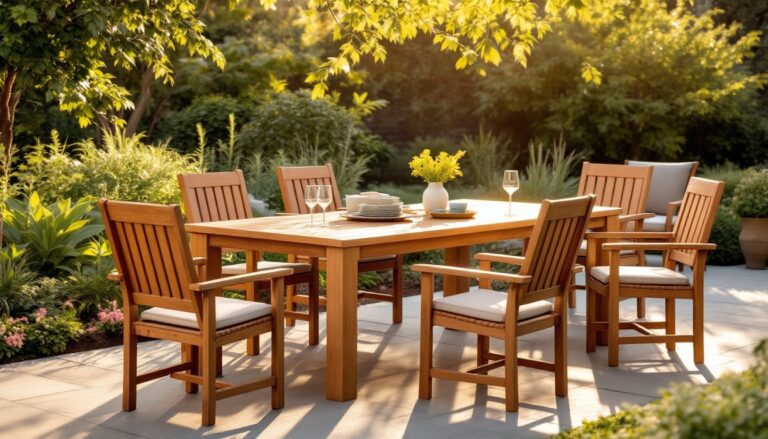
Teak and premium hardwoods like eucalyptus are naturally rot-resistant and age beautifully, developing a silvery patina over time. Teak is denser and longer-lasting but commands premium prices. If you’re in a wet climate, hardwood frames paired with quality sealers give you 10+ years of reliable use. You’ll need to refinish or re-stain every 2–3 years to maintain appearance, though.
Wicker and rattan offer aesthetic charm but demand the most care. They’re best suited to covered porches or semi-sheltered patios. Exposed to relentless sun and rain, they fade, crack, and unravel faster than solid wood or aluminum.
For cushions, outdoor fabrics like Sunbrella (acrylic solution-dyed) or performance polyester resist fading and mildew better than cotton blends. Look for CFC-free foam in your cushions, it holds its shape longer and resists moisture better than low-grade alternatives. Top performers in deep seating use closed-cell foam that sheds water and dries quickly.
A practical tip: before buying, check product reviews specifically mentioning your region’s weather patterns. Furniture that thrives in Arizona’s dry heat may struggle in Florida’s humidity.
Layout and Configuration Options
Deep seating shines in configurations beyond the standard sofa-and-chairs setup. The modular nature of most sets means you can customize your layout to fit your space and entertaining style.
L-Shaped and U-Shaped Sectionals work beautifully in corner patios, creating natural gathering zones without claiming excessive square footage. A typical L-section takes up roughly 8–10 feet of linear space per side, measure your patio before ordering.
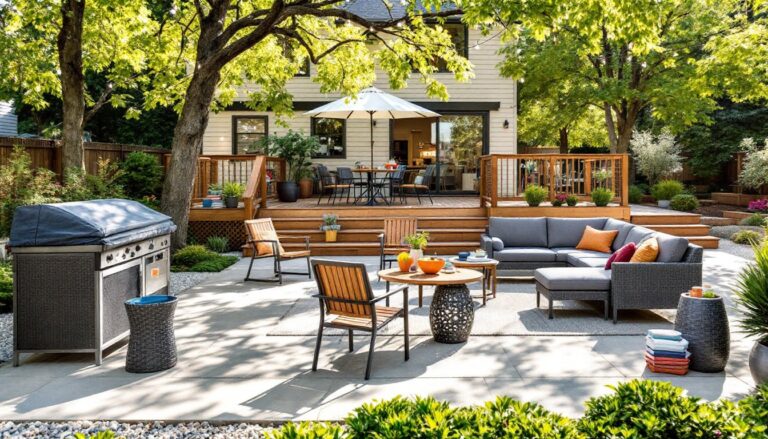
Conversation clusters pair a sofa with facing chairs and a central ottoman or coffee table, ideal for medium-sized decks where you want multiple sight lines. This layout encourages genuine conversation rather than everyone facing the same direction.
Island configurations place a sectional or multiple seating elements in the middle of a larger patio, defining the space without anchoring everything to walls or edges. This works best on decks or patios with at least 16–20 feet of open space.
When planning, account for foot traffic pathways and keep seating 18–24 inches from the table’s edge so people can sit comfortably without knocking shins. Deep seating’s larger footprint means you need clearance for cushion overhang, don’t jam a 14-inch-deep sofa against a wall if you expect comfortable use.
Arrangements featured in outdoor design inspiration at Gardenista often showcase how varied configurations adapt to different yard sizes and entertaining needs. Consider anchoring with a weather-resistant area rug (6×9 or 8×10 feet) to visually define the seating zone and add underfoot softness.
Styling Tips to Maximize Comfort and Aesthetics
Deep seating furniture is a substantial investment, so styling decisions pay dividends in longevity and enjoyment.
Layer textures with throw pillows in complementary outdoor fabrics, mix solids with subtle patterns to add visual interest without chaos. Stick to a color palette of 2–3 primary colors plus neutrals: deep seating’s bulk absorbs lots of visual weight, and too many competing hues feel chaotic.
Cushion maintenance is non-negotiable. Store cushions indoors or in sealed deck boxes during off-season (late fall through early spring in most climates). Remove cushions monthly and vacuum underneath to prevent mildew and pest nesting. Sunbrella and performance fabrics can be spot-cleaned with mild soap and water, most stains come out if addressed within days.
Pergolas and shade structures are your friends. Deep seating exposed to 8+ hours of direct sun will fade faster and create heat-radiating surfaces that make lounging uncomfortable mid-summer. A pergola, shade sail, or strategically planted trees extend both the lifespan and usability of your furniture.
Accessorize thoughtfully. Outdoor side tables (teak or metal), a weather-resistant throw, and a decorative outdoor rug anchor the space without overcrowding. Avoid over-decorating, deep seating’s generous proportions are the statement piece: use accessories to complement, not compete.
References to current outdoor living design trends and proven styling strategies can be found at Southern Living’s guide to, which showcases real-world applications and design combinations.
Maintenance and Care for Long-Lasting Appeal
Proper maintenance separates a five-year investment from a fifteen-year heirloom.
Cleaning: Wipe down frames monthly with a soft cloth and mild soapy water. For stubborn grime or mildew on cushions, use a soft brush and a 1:1 mixture of white vinegar and water. Rinse thoroughly and air-dry completely before use.
Cushion protection: Outdoor cushions should be brought inside or stored in sealed containers during winter months in cold climates. If you live somewhere mild year-round, rotate cushions monthly to ensure even sun exposure and wear. Replace cushion covers every 5–7 years if they’re fading or showing signs of UV damage.
Frame care: Wooden frames benefit from a weather-resistant stain or sealant reapplied every 2–3 years, this is not a light task, but it’s the difference between a 10-year lifespan and a 20-year one. Aluminum frames rarely need refinishing, though you can polish them annually if corrosion starts forming in salt-spray areas. Wicker requires semi-annual vacuuming and occasional restaining to prevent unraveling.
Water and drainage: Ensure your patio or deck has adequate slope for drainage. Standing water under furniture promotes mold and mildew. If cushions get soaked during heavy rain, remove them and dry them fully in shade before returning, don’t leave them damp overnight.
Off-season storage: In cold climates, stack cushions indoors or in a dry garage from November through April. Wrap metal frames loosely with breathable tarps (never plastic, which traps moisture). Store furniture in a covered structure if possible: even under an eave beats year-round sun exposure.
For comprehensive tips on preserving outdoor furnishings, Hunker’s home improvement guides cover seasonal storage strategies and fabric care methods that extend the life of any patio investment.
Conclusion
Deep seating patio furniture sets represent a meaningful shift toward outdoor living as genuine extension of your home rather than an afterthought. The upfront investment in quality frames, weather-resistant cushions, and thoughtful configuration pays back daily in comfort and reliability. Success hinges on matching materials to your climate, protecting your investment with seasonal care, and choosing a layout that serves your entertaining style and spatial constraints. When maintained properly, deep seating furniture becomes the anchor of memorable gatherings for a decade or more.