The Complete Guide to Choosing the Perfect Patio Furniture Sectional in 2026
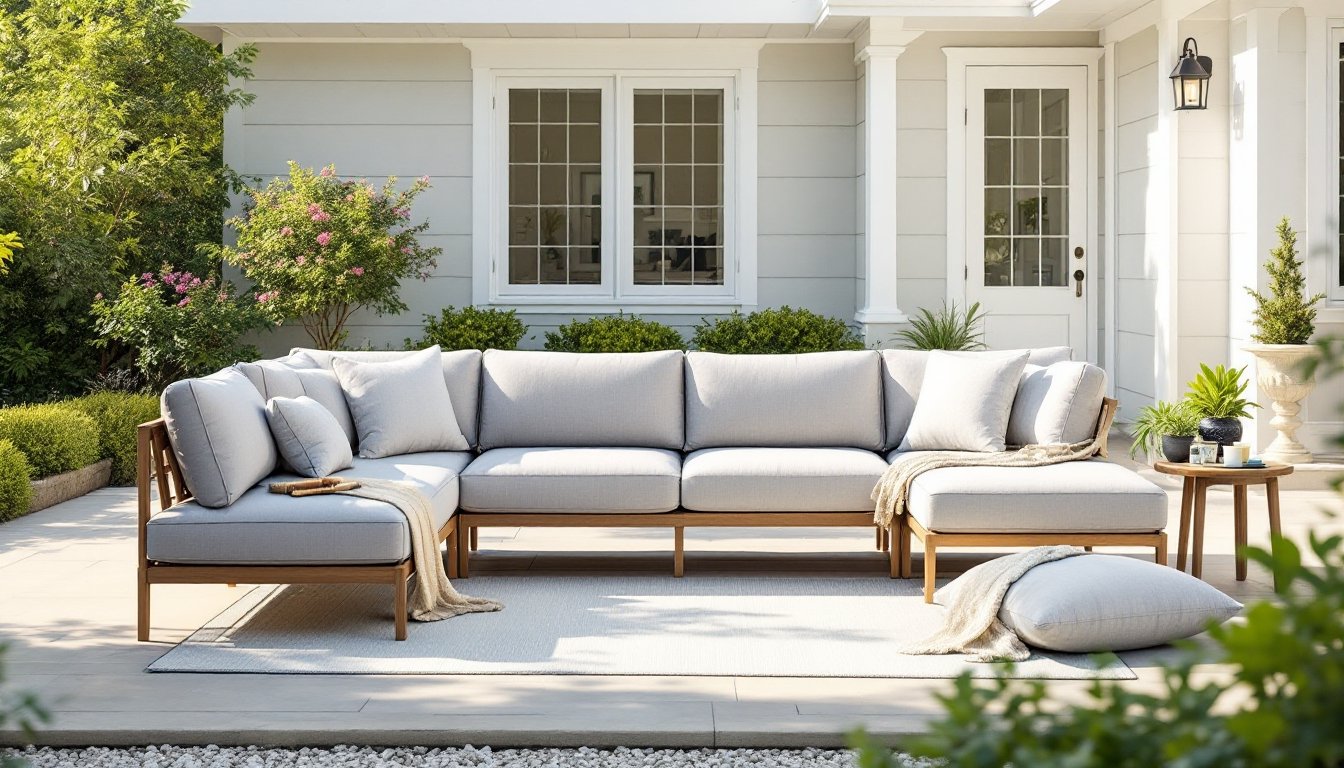
A patio sectional isn’t just a place to sit, it’s an investment in how you spend time outdoors. Unlike single chairs or benches, a patio furniture sectional creates a welcoming hub for entertaining, lounging with family, or simply enjoying your morning coffee. It defines your outdoor living space and sets the tone for comfort during warm months. But with so many materials, sizes, and styles available today, choosing the right sectional can feel overwhelming. This guide walks you through everything you need to know to find a sectional that fits your space, your lifestyle, and your budget.
Key Takeaways
- A patio furniture sectional maximizes seating capacity and creates visual cohesion, fitting six or more people comfortably in a compact footprint while defining your outdoor living space.
- Solution-dyed olefin fabric with marine-grade hardware and outdoor-grade foam provides superior durability, resisting fading, mold, and moisture absorption far better than standard materials.
- Measure your patio accurately and plan a layout that leaves 2–3 feet of clear walking space; place your sectional against walls to improve traffic flow rather than blocking access.
- Match your patio sectional’s style to your home’s architecture—modern homes suit clean-lined sectionals in gray, while coastal homes benefit from white or cream tones with woven details.
- Regular maintenance including weekly brushing, quarterly washing with mild soap, and seasonal covering extends sectional lifespan from five years to fifteen years or more.
- Inspect hardware, zippers, and frame joints twice yearly, store cushions in dry indoor spaces during off-season, and replace cushions if mold develops internally rather than attempting repairs.
What Makes a Patio Sectional the Ideal Choice for Your Outdoor Space
A patio sectional offers advantages that individual furniture pieces simply can’t match. First, it maximizes seating capacity in a compact footprint, you can fit six or more people comfortably without cluttering your deck or patio. Second, a sectional creates visual cohesion and a more intentional seating arrangement than scattered chairs, which makes your outdoor space feel deliberately designed rather than ad-hoc.
Sectionals also adapt to different layouts. An L-shaped sectional works well for corner placement, wrapping around a fire pit or conversation area. Modular sectionals let you reconfigure pieces as your needs change or your space evolves. U-shaped layouts suit larger patios where you want multiple seating zones facing each other. A chaise lounge extension transforms part of your sectional into a lounging platform, perfect for afternoon naps or stretching out with a book.
Beyond practicality, a well-chosen sectional signals intentionality about outdoor living. It tells guests this is a place where you actually spend time, not just a spot where yard furniture sits unused. That psychological shift, treating your patio as an extension of your home rather than leftover space, often leads to more gatherings and better use of your property.
Key Materials and Durability Considerations for Outdoor Sectionals
Weather-Resistant Fabrics and Frames Explained
The frame is where durability starts. Most outdoor sectionals use one of three materials: aluminum, teak, or powder-coated steel. Aluminum frames are lightweight, rust-proof, and affordable, ideal for climates with moderate weather. Teak wood is naturally rot-resistant and develops a silvery patina over time, but it’s heavier and more expensive. Powder-coated steel offers strength and a refined appearance, though it requires more maintenance in humid or salt-air environments to prevent rust.
Fabric choice defines how well your sectional weathers the elements. Solution-dyed olefin (also called Sunbrella-type fabric) is the gold standard for outdoor use. The color goes all the way through each fiber, so fading is minimal even with years of direct sun. It resists mildew, mold, and water absorption better than natural fibers. Polyester blends are cheaper and often feel softer, but they fade faster and hold moisture longer.
Don’t overlook the cushions and foam. Outdoor-grade foam resists water absorption and won’t degrade as quickly as standard interior foam. Look for cushions labeled “outdoor” or “marine-grade”, they dry faster and resist mold. Some manufacturers use a hollow-fiber core wrapped in solution-dyed fabric, which virtually eliminates moisture issues.
The zipper and stitching quality matters too. Marine-grade thread holds up to sun and moisture. Stainless-steel or powder-coated metal zippers resist corrosion. Cheap sectionals use standard thread and hardware, and they fail first. If you’re investing in a sectional, inspect these details before buying.
Regional climate shapes your material choices. In the Pacific Northwest, where moisture and shade are constant, prioritize mold-resistant fabrics and proper drainage under cushions. In the Southwest, UV protection matters most, solution-dyed fabrics fade less under intense sun. In coastal areas, stainless-steel hardware and corrosion-resistant frames are essential. Check product specs and look at customer reviews specific to your climate.
Sizing and Layout: Finding the Right Fit for Your Patio
Measure your patio before shopping. Most people underestimate how much space a sectional actually requires. A typical 3-piece L-sectional runs 8–10 feet long and 6–8 feet deep, that’s a lot of real estate. Add walkways, a fire pit, or a dining table into the mix, and suddenly your patio feels cramped.
Start with honest dimensions. Measure the total patio length, width, and any architectural features (doorways, railings, corners). Then sketch a simple layout to scale, even a rough pencil sketch on graph paper helps visualize how a sectional sits. Leave at least 2–3 feet of clear walking space around the sectional. If you have a small patio (under 200 square feet), consider a two-piece sectional or an apartment-scale model instead of a sprawling L-shape.
Think about traffic flow. A sectional in the center of your patio might look nice but block access to other areas. Placing it against one or two walls opens up the space and creates a clearer circulation path. If your patio has a single entry point, angle the sectional to face that approach rather than block it.
Height and proportion matter too. A sectional with low-profile arms feels less bulky on a small patio and creates sightlines to your yard or landscaping beyond. Tall armrests provide more support but consume visual space. Modular sectionals let you choose seat height, arm height, and whether to include ottomans or chaise extensions, flexibility worth paying for if you’re unsure of your exact needs.
Style Options That Complement Your Home’s Aesthetic
A sectional should echo the architectural language of your home, not fight it. Modern homes pair well with clean-lined sectionals in gray or charcoal with minimal arms and low profiles. Traditional or farmhouse homes benefit from sectionals with turned legs, nailhead trim, or rolled arms that reference classic furniture design. Mediterranean or coastal homes suit sectionals in white, cream, or soft blues with rusticated wood or woven-rattan details.
Color is a practical choice, not just aesthetic. Light colors (cream, white, beige) show dirt and stains faster but reflect heat and create an airy feel. Dark colors hide wear better but absorb more heat on sunny days. Neutral tones are safest if you repaint or redecorate frequently. Consider the color of your patio flooring, house siding, and surrounding landscaping when narrowing options, your sectional should feel intentional, not like furniture you inherited.
Material finish adds visual interest without sacrificing durability. Sectionals with teak or weather-resistant woven wicker pair naturally with tropical or bohemian settings. Powder-coated metal frames in matte black suit contemporary designs. Aluminum with a brushed-satin finish works for almost any modern home. Publications like Southern Living showcase how regional aesthetics influence outdoor furniture choices, offering inspiration for matching your sectional to your home’s character.
Don’t overlook decorative elements. Throw pillows in complementary colors add warmth and personality without permanent commitment. A weather-resistant rug anchors the seating area and ties the look together. If your home has a specific design vocabulary, say, blue and white coastal themes or warm earth tones, echo that in your sectional and accessory choices.
Maintenance Tips to Extend Your Sectional’s Lifespan
Regular maintenance separates sectionals that last five years from those lasting fifteen. Start with the basics: brush cushions weekly with a soft brush or vacuum them gently to remove dust, pollen, and debris. Many cushion failures stem from dirt and debris trapping moisture, accelerating mold growth and fabric breakdown.
Wash cushions and frames quarterly or more frequently if you live in a humid climate. Use a garden hose on low pressure and mild dish soap mixed with water. Avoid high-pressure washers, they can force water into seams and frames, creating hidden moisture pockets. Scrub stained areas with a soft-bristle brush, then rinse thoroughly and allow everything to air dry completely before replacing cushions.
Cover your sectional during extended periods away or during off-season storage. A well-fitting outdoor sectional cover prevents UV damage, keeps dust off, and protects against animal droppings or tree sap. Ensure the cover breathes (avoid plastic tarps that trap moisture). Most outdoor furniture retailers offer sectional covers: resources like Houzz let you browse covers that match various sectional sizes and shapes.
Inspect hardware and zippers twice yearly. Tighten any loose bolts or fasteners. If a zipper sticks, apply a silicone-based lubricant, never use oil-based products, which degrade fabric and attract dirt. Check frame joints for cracks or separation, especially if your sectional has taken a hard winter. Small frame repairs now prevent larger failures later.
For solution-dyed fabric, deep cleaning every two years prevents buildup. Mix one part white vinegar with four parts water, apply with a soft cloth, and let sit briefly before rinsing. Vinegar cuts through mineral deposits from hard water and suppresses mold spores. Avoid bleach unless the manufacturer specifically approves it, bleach can weaken fibers and cause discoloration.
Store cushions in a cool, dry place during winter or extended rainy seasons. Stacked cushions in outdoor storage still absorb moisture: consider a garage or shed instead. If cushion foam ever develops an odor even though cleaning, it likely has mold growth inside, and replacement is necessary. This is why quality outdoor foam and zipper design matter, cheap construction fails silently inside.
Conclusion
Choosing a patio sectional requires balancing durability, sizing, style, and budget, but taking time upfront saves frustration later. Focus on frame and fabric quality, measure your space honestly, and select a style that feels authentic to your home. Proper maintenance transforms a decent sectional into a furniture piece that serves your outdoor living for a decade or more. With these fundamentals in mind, you’re ready to create an outdoor gathering space that genuinely gets used.