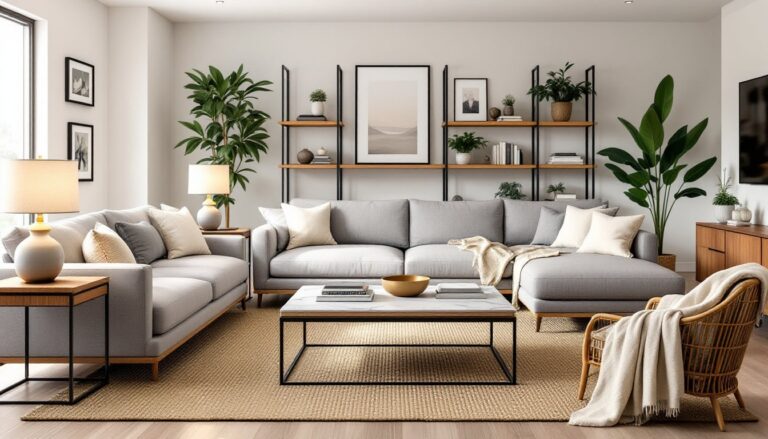
Master Bedroom Mix And Match Furniture Ideas: Create Your Perfect Retreat in 2026
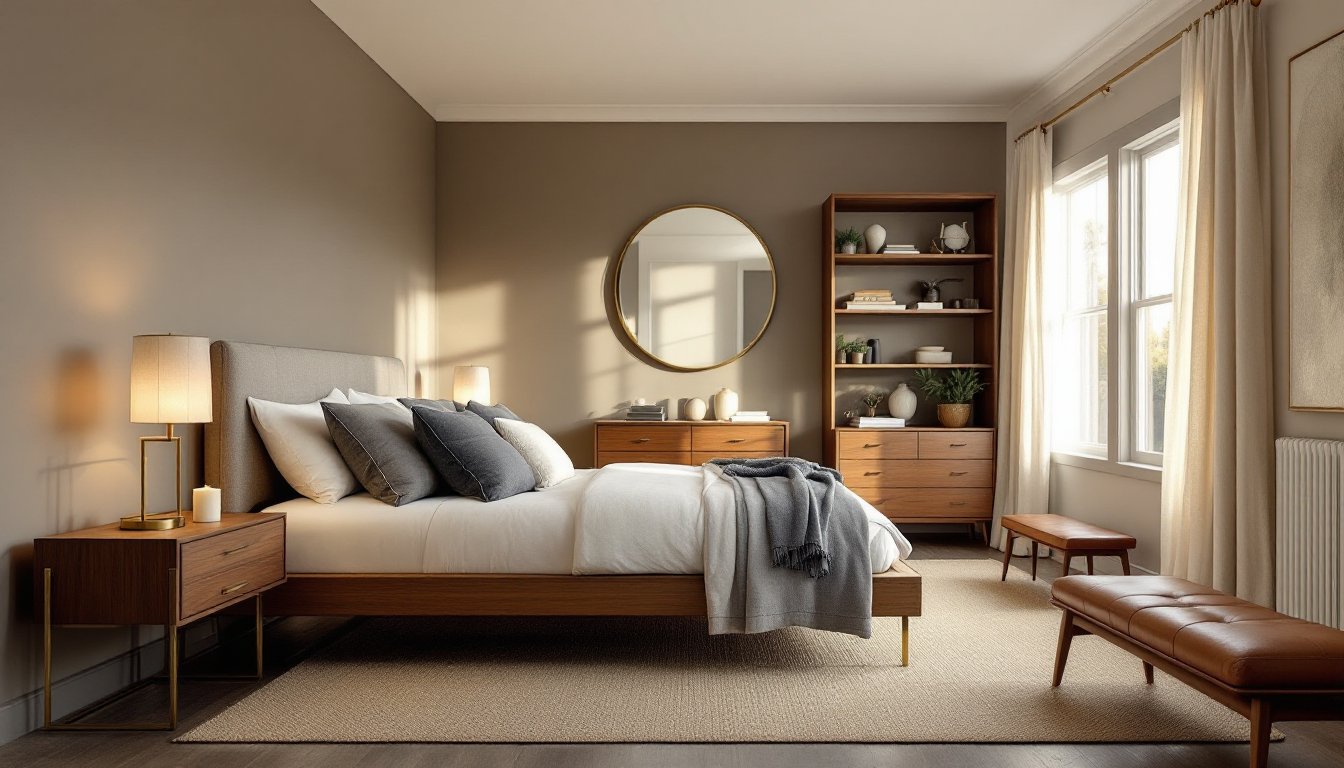
Creating a master bedroom that feels cohesive doesn’t mean everything needs to match or come from the same collection. Mix and match bedroom furniture ideas are taking hold in 2026, and homeowners are discovering that combining different styles, wood tones, and materials actually creates more personality and visual depth than a matchy-set approach. The key is establishing a solid foundation, balancing opposing elements, and letting intentional layering guide your choices. Whether you’re working with inherited pieces, budget constraints, or a desire for eclectic style, this guide walks you through building a master bedroom retreat that’s uniquely yours.
Key Takeaways
- Master bedroom mix and match furniture ideas work best when built on a neutral color palette that covers 60–70% of the room, allowing different styles and wood tones to coexist without clashing.
- Introduce metal accents in consistent finishes (brushed brass, matte black, or chrome) to visually connect disparate wood tones and signal intentional design rather than mismatched furniture.
- Layer different textures—smooth finishes paired with raw wood, upholstered surfaces next to metal elements, and woven textiles—to create visual depth and prevent a mixed-furniture room from feeling disjointed.
- Coordinate nightstands and dressers by visual weight and height rather than matching styles, and consider placing different dresser styles in separate areas of the room for a curated look.
- Unify a mix and match bedroom through intentional lighting choices, consistent metal-framed accessories, and coordinated window treatments that tie together furniture pieces from different eras and styles.
- Use wall art, mirrors, and decorative objects that echo your color palette to create visual rhythm and reinforce cohesion across all your mixed furniture pieces.
Start With A Neutral Color Palette As Your Foundation
Before you place a single piece of furniture, nail down your foundational color story. A neutral palette, think warm grays, soft whites, taupes, or warm beiges, acts as the glue that holds mixed pieces together. This doesn’t mean bland: it means your walls, bedding, and larger upholstered pieces create calm visual quiet.
Your foundation colors should cover roughly 60–70% of the room’s visual real estate. Paint the walls, choose a neutral duvet or quilt, and pick a neutral rug. This creates breathing room for your furniture mix to shine without creating visual chaos. If you have existing pieces in different wood tones or styles, a neutral backdrop prevents them from clashing. Homeowners using this strategy report that the room feels larger, more restful, and surprisingly cohesive even when the furniture tells different design stories.
Consider the undertone of your neutrals carefully. Warm whites and creams pair better with golden oak or honey-toned woods, while cool grays work beautifully with modern metals and cooler wood stains. The coherence comes from this subtle undertone harmony, not from matching everything exactly.
Balance Wood Tones With Modern Metal Accents
Real master bedrooms rarely have all the same wood finish. You might inherit a dark walnut dresser, own a honey-oak bed frame, and find a great mid-century nightstand in oak veneer. Rather than fighting this, lean into it intentionally. The trick is introducing metal accents to tie different wood tones together and prevent the room from looking accidentally mismatched.
Metal legs, frames, or hardware in brushed brass, matte black, or polished chrome can visually connect pieces that don’t naturally flow. If your dresser is dark wood and your nightstands are lighter oak, a bedroom refresh makeover with mixed metals shows how metal accent pieces unify the look. Brass handles on a modern nightstand, a black iron bed frame, or chrome legs under an otherwise traditional dresser signal intentionality rather than mismatch.
Keep metal finishes consistent in a room. If you choose brushed brass as your accent metal, carry that through hardware, a desk lamp base, or mirror frames. Two metal finishes maximum is the practical rule: three or more compete for attention and undo the unifying effect you’re going for. This approach feels curated and design-forward, not like you’re just making do with what you have.
Mix Traditional And Contemporary Bed Frames
Your bed is the room’s anchor, so this is where personality should show. Mixing traditional and contemporary styles in your frame choice sets the tone for the entire space. A contemporary platform bed (low-profile, clean lines, metal legs) looks refreshing paired with a traditional nightstand in darker wood, especially when connected by consistent metal accents.
Conversely, a traditional upholstered headboard in a neutral tone can feel modern when paired with a contemporary metal nightstand and minimalist dresser. The contrast actually heightens visual interest. What matters is that the bed frame and the supporting pieces don’t fight each other, they’re in dialogue. If your bed is ornate and traditional, give it breathing room with simpler nightstands. If it’s stark and modern, the surrounding pieces can introduce more detail and warmth.
Don’t underestimate the power of bedding and textiles to bridge style gaps. A traditional carved wood bed paired with a contemporary linen duvet and modern throw pillows reads as intentionally eclectic, not confused. The 60–70% neutral foundation you established earlier should be visible here, anchoring whatever mix of styles you choose.
Layer Different Textures For Visual Interest
Mixed furniture works best when textures are intentionally layered. Raw wood next to upholstered surfaces, smooth metal against woven elements, and soft linens over structured pieces all create depth. Think about the surfaces in your room: Is your dresser smooth and lacquered, or is it rough-hewn wood? Are your nightstands solid or veneered? Do they have smooth legs or carved details?
Layering textures prevents a mix-and-match room from feeling disjointed. A sleek modern dresser in matte finish pairs beautifully with a rustic wood nightstand if you introduce a woven rattan or wicker chair in the corner. Linen bedding, a chunky knit throw, a leather bench at the foot of the bed, and a jute rug create tactile variety without looking random. Your eye moves through the room because there’s something different to rest on at each stopping point.
When selecting textiles, your rug, curtains, throw blankets, and pillows, choose tactile materials that add softness and warmth. This is where budget room makeovers and DIY approaches really pay off, because you can add high-impact texture through affordable additions like a quality throw blanket or new curtains rather than replacing furniture. The texture strategy works whether your pieces are expensive or thrifted.
Coordinate Nightstands, Dressers, And Storage Solutions
Nightstands don’t have to match, but they should feel intentional. A perfectly acceptable pairing is a modern nightstand on one side of the bed and a traditional one on the other, as long as they’re roughly the same height and width (within a few inches). The visual weight matters more than stylistic matching. If one nightstand is heavy and carved, balance it with another of similar visual mass on the opposite side, even if the style differs.
Dressers are trickier because they anchor the room visually and often take up significant wall space. If you’re mixing dresser styles, try placing them in different parts of the room rather than side-by-side. One traditional dresser against the window wall and one modern piece opposite the bed feels curated. Or embrace the asymmetry: one dresser, one shelving unit, one open-frame console. This is where budget home makeovers and DIY furniture projects showcase how mixing storage types actually looks intentional, not like you’re filling in gaps.
Storage solutions deserve equal attention. Open shelving, closed cabinets, decorative baskets, and built-in nooks should coordinate in color and material logic even if they don’t match. A white floating shelf, a woven basket, a dark wood dresser, and a metal-frame bookcase can all coexist if the room’s foundation colors tie them together. The goal is a breathing, functional space, not a furniture showroom.
Use Lighting And Accessories To Tie Everything Together
Lighting is where mixed furniture rooms either succeed brilliantly or fall apart. Intentional lighting choices say “I planned this” even if your furniture came from five different places. Bedside lamps set the tone. If you choose matching brass table lamps but different nightstand styles, that metal consistency signals that the whole look is deliberate. Alternatively, mismatched lamps in shapes that complement each other (one cylindrical, one tapered, for example) can look collected and chic.
Accessories, mirrors, wall art, books, small sculptural objects, do the heavy lifting in a mixed furniture room. A large mirror with a metal frame pulls your accent metal throughout the space. Wall art that includes the colors from your duvet, curtains, and rug ties everything together visually. Room transformations and painting tutorials show how the right paint color on accent walls or inside closets can unify a space with disparate furniture pieces. Small objects on dressers and nightstands (candles, a clock, a small plant, a stack of books) create visual rhythm and personality.
Don’t overlook window treatments. Consistent curtains or shades across all windows create visual continuity that helps mixed furniture feel cohesive. Heavy linen drapes, lightweight linen panels, or Roman shades in your foundational color palette will ground the room more effectively than mismatched window coverings. This is often the most affordable way to improve the overall look of a mixed-furniture bedroom.
Conclusion
Mix and match bedroom furniture isn’t about making do, it’s about being intentional. Start with a neutral foundation, commit to a metal accent palette, layer textures thoughtfully, and let lighting and accessories unify the space. Your master bedroom retreat can feel sophisticated and cohesive even when the pieces didn’t come from the same store or decade. The key is confidence in your choices and a willingness to see contrast as design opportunity, not compromise.