Hampton Bay Patio Furniture: A Homeowner’s Guide to Durable Outdoor Living in 2026
When spring rolls around and the weather turns warm, outdoor spaces become natural extensions of your home. Hampton Bay patio furniture has become a go-to choice for homeowners looking to furnish decks, patios, and yards without very costly. Whether you’re setting up a small bistro seating area or furnishing a full dining space, Hampton Bay offers practical designs that hold up to seasonal weather and everyday use. This guide walks you through what makes Hampton Bay stand out, the collections available to fit your space, and how to keep your furniture looking sharp year after year.
Key Takeaways
- Hampton Bay patio furniture offers budget-friendly durability by using powder-coated steel, synthetic wicker, and treated wood—delivering reliable outdoor seating without premium pricing.
- Choose metal-and-wicker sets for humid or coastal climates due to rust-resistant aluminum frames, or wood collections for traditional aesthetics, but expect more maintenance with hardwoods and teak.
- Proper assembly requires reading instructions carefully, using correct-sized tools, and having a second person for heavier pieces to prevent damage and ensure structural integrity.
- Seasonal maintenance—including thorough cleaning, cushion detachment, and annual wood sealing—significantly extends the lifespan of Hampton Bay outdoor furniture.
- Store cushions indoors or in waterproof containers during winter, and use breathable fabric covers rather than waterproof tarps to prevent moisture damage and mildew.
- Spring revival inspections should check bolts for rust, examine cushions for mold, and reseal wood pieces before returning furniture to active use.
Why Hampton Bay Stands Out for Budget-Conscious Outdoor Spaces
Hampton Bay, Home Depot’s in-house outdoor furniture brand, hits a practical sweet spot: it costs significantly less than high-end designer lines, yet doesn’t sacrifice durability or style. You’re not paying for a marquee name, but for solid engineering and materials that weather the elements reasonably well.
The brand focuses on straightforward designs rather than trendy aesthetics that’ll feel dated in two years. Most pieces use powder-coated steel, weather-resistant wicker, or treated wood, materials that won’t rot or rust after a single season if maintained properly. A cushioned four-piece conversation set typically runs $400–$800, whereas comparable pieces from premium brands might cost double. Since testing real Hampton Bay patio furniture quality reveals honest durability, many homeowners find the value proposition hard to beat.
Another advantage is availability. Because Hampton Bay is exclusive to Home Depot, you can walk into a store and see pieces in person, check cushion thickness and frame stability, and ask staff questions before buying. Returns and damage claims are straightforward too, Home Depot’s customer service handles everything without the hassle of working through a third-party retailer. For someone tackling their first outdoor furniture purchase or simply wanting reliability without premium pricing, Hampton Bay delivers practical functionality.
Popular Hampton Bay Patio Collections and Styles
Hampton Bay rotates its collections seasonally, but several lineup styles remain consistent across years. Understanding the main categories helps you narrow down what fits your space and maintenance preferences.
Metal and Wicker Options
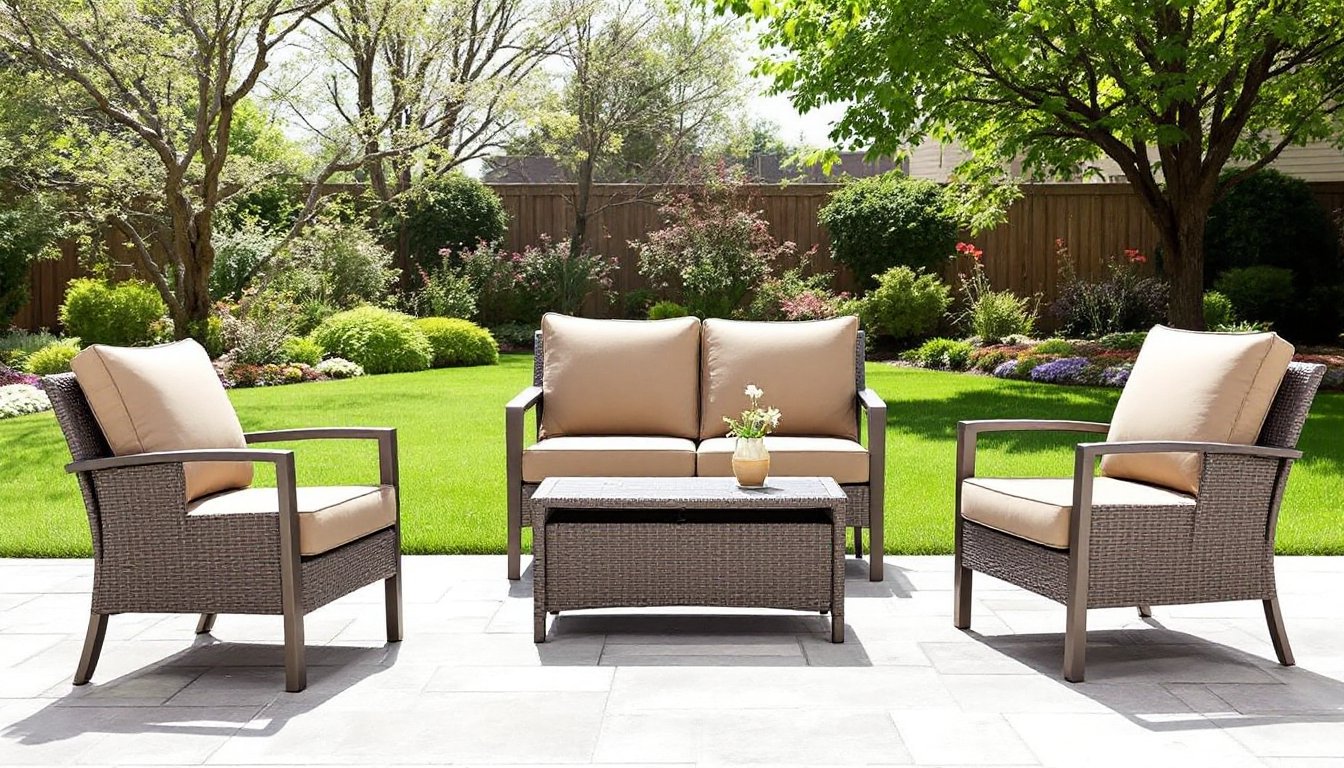
Metal and wicker combinations dominate Hampton Bay’s mid-range offerings. These sets typically feature aluminum or steel frames paired with synthetic wicker weave. The metal provides structural strength, while the wicker creates a relaxed, casual aesthetic that suits modern and traditional yards alike.
Aluminum frames are lighter and won’t rust, making them ideal if you live near salt water or areas with high humidity. Steel frames are heavier and sturdier but require powder-coat protection, chipped paint can expose bare metal to rust. Check the product description to confirm whether the frame is “rust-resistant” (coated aluminum) or “rust-proof” (higher-grade steel or powder-coated).
The wicker itself matters too. Genuine rattan deteriorates outdoors: Hampton Bay uses synthetic polyrattan or polyethylene, which resists UV fading and water damage far better. Feel the weave when you’re at Home Depot, tightly woven material resists fraying and snagging.
These sets often come with sunbrella or performance fabric cushions, which dry quickly and resist mildew. A typical four-piece metal-and-wicker set (two chairs, a loveseat, and a table) costs $500–$900. Note that Houzz user discussions on Hampton Bay patio furniture frequently praise aluminum-frame sets for durability in humid climates.
Wood and Teak Collections
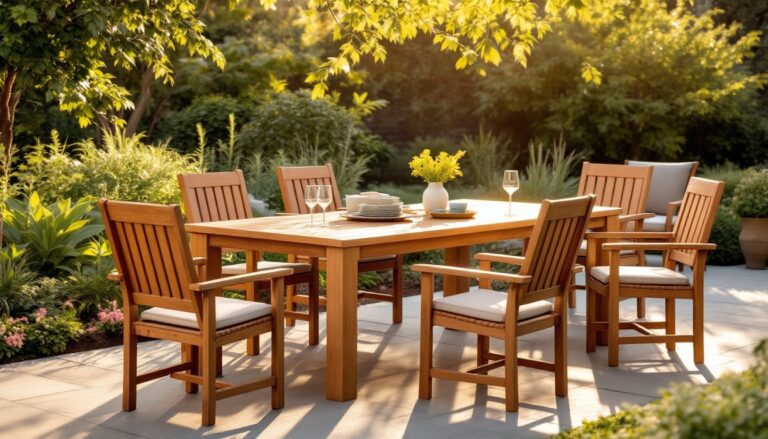
Wood furniture projects warmth and pairs well with natural landscapes. Hampton Bay’s wood lines typically use either treated hardwood (like acacia or eucalyptus) or FSC-certified teak, though teak commands a premium. Wood requires more upkeep, annual sealing or oiling, but ages gracefully if maintained.
Treated hardwoods like acacia are affordable ($600–$1,200 for a six-piece set) and resist rot, but will gray over time without protective finishes. Teak furniture resists weathering naturally (due to high oil content) but costs significantly more ($1,500–$3,500 for comparable sets). Teak also requires occasional cleaning but less frequent refinishing than other hardwoods.
Wood furniture suits rustic, cottage, or traditional design styles. But, wood absorbs water and can develop mildew in very humid climates or shaded areas with poor air circulation. Acacia tends to splinter slightly if not sealed regularly, so budget time for maintenance if you choose wood over metal-and-wicker.
Setting Up and Maintaining Your Hampton Bay Furniture
Assembly and setup vary by piece, but planning ahead prevents frustration and keeps your furniture functional from day one.
Assembly Tips and Best Practices
Most Hampton Bay pieces arrive partially assembled or require bolting arms to frames, attaching cushions, and securing tie-downs. Read the instruction manual before opening boxes, seriously. Lay out all hardware and parts on a clean surface first so nothing gets lost or installed in the wrong order.
Use the correct wrench or hex key size. Forcing the wrong size strips bolts, leaving you unable to tighten connections. Most sets include necessary tools, but have a basic hex key set and adjustable wrench on hand. Tighten all bolts firmly but don’t over-torque them, aluminum frames can crack if over-stressed.
If assembling solo, ask a friend to hold pieces steady while you secure connections. Two pairs of hands cut assembly time in half and prevent accidental damage. For heavier wood sets, having a second person is essential: attempting to angle a 100-pound settee alone invites injury or dropped furniture.
Once assembled, let cushions air out for a few hours before use, they’re often vacuum-sealed and need to decompress. Place furniture on level ground. Uneven surfaces cause frames to twist and stress joints unevenly, shortening lifespan. Use shims or adjust leg leveling screws if your patio or deck isn’t perfectly flat.
For metal-frame furniture, inspect welds and bolts monthly, especially after windy weather. Tighten anything that feels loose. For wood pieces, check for splinters and sand rough spots, sanding prevents slivers and prepares surfaces for resealing. Apply outdoor wood sealant annually or as directed by the manufacturer, especially on horizontal surfaces and joints where water pools.
Seasonal Care and Storage Solutions
Proper storage and off-season care extend furniture lifespan significantly. Even weather-resistant materials degrade faster if left exposed year-round.
Fall and Winter Preparation
Before winter, clean furniture thoroughly. Hose off metal frames and wicker weave with fresh water, then dry completely with a soft cloth or allow air drying in sunlight. For wood pieces, scrub with a soft-bristled brush and mild soap. Remove organic debris, leaves, pollen, and bird droppings, promptly: they trap moisture and accelerate decay.
Detach cushions and store indoors or in a waterproof container. Even weather-resistant fabrics degrade if continuously wet through winter. Allow cushions to dry completely before storing to prevent mildew.
If you live in a harsh climate with heavy snow, freezing temperatures, or salt spray (like coastal regions), store metal and wicker furniture in an unheated garage or shed. Metal expands and contracts with temperature swings, eventually loosening bolts and stressing welds. While discontinued Hampton Bay patio furniture styles may be replaced, keeping current pieces functional through careful storage is more cost-effective than replacing sets prematurely.
Cover Options
If storage isn’t available, invest in a fitted furniture cover designed for your specific set. Breathable fabric covers (like polypropylene) allow moisture to escape while blocking rain and UV. Waterproof tarps trap condensation underneath and can damage finishes, avoid them. A quality cover runs $50–$150 but pays for itself by preventing cushion rot and frame corrosion.
Spring Revival
When bringing furniture out of storage, inspect everything before use. Check bolts for rust or corrosion, examine cushions for mold or mildew, and look for frame cracks or weld damage. Clean metal frames with a soft cloth. If you spot rust on steel bolts, replace them rather than trying to clean off corrosion, corrosion spreads and weakens structural integrity.
For wood furniture, this is the time to reseal. Strip old sealant with appropriate deck stripper, sand lightly, and apply fresh outdoor wood sealant. Two coats provide better protection than one.
Reinspect cushion covers and zippers. If zippers stick or break, they’re usually replaceable, contact Home Depot customer service for replacement cushions or covers rather than discarding otherwise functional pieces. Modern home decor resources showcase furniture styling and placement strategies that help you maximize comfort from existing pieces without upgrading.