Refresh Your Outdoor Space: The Complete Guide to Patio Furniture Upholstery in 2026
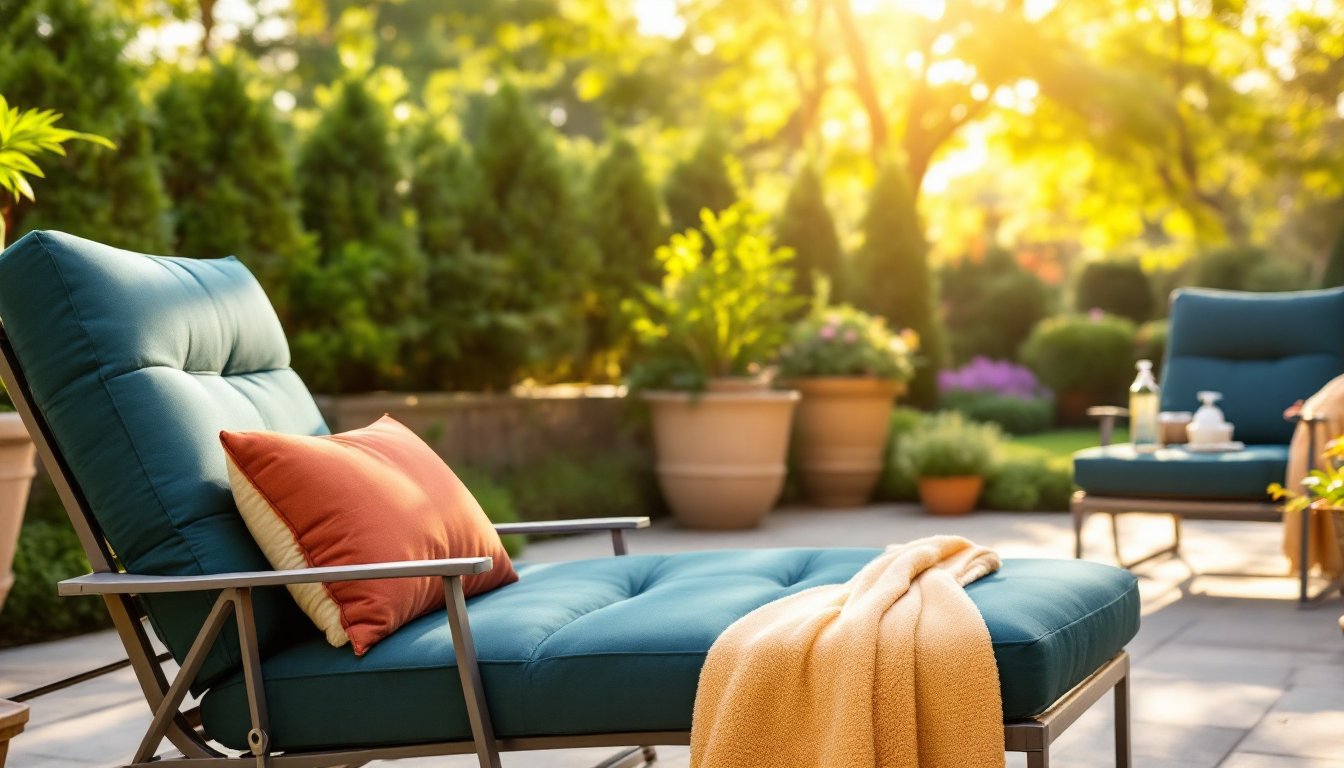
Your patio is an extension of your home, and worn or faded upholstery can make the whole space feel neglected, even if the frame is solid. Patio furniture upholstery takes a beating from sun, rain, and constant temperature swings, so most cushions and fabric covers need refreshing every three to five years. The good news: you don’t need to replace everything. Whether you’re cleaning and protecting what you have or tackling a DIY reupholstery project, you can bring your outdoor living area back to life without spending thousands. This guide walks you through selecting durable fabrics, keeping your furniture protected, and knowing when a professional touch makes sense.
Key Takeaways
- Patio furniture upholstery protects your outdoor frames from weather damage and mold while extending furniture life by 3–5 years with proper maintenance rather than replacement.
- Solution-dyed acrylics like Sunbrella and polyester performance blends are the best outdoor fabric choices, offering fade resistance and fast drying at $8–$30 per yard depending on quality.
- Routine cleaning, seasonal storage, and prompt mold removal using mild soap or vinegar solutions dramatically extend upholstery durability without expensive professional intervention.
- When DIY reupholstering cushions, use outdoor-grade foam and a staple gun—expect 2–4 hours per cushion, or pay $30–$75 per cushion for professional upholstery work.
- Choose fabric based on your climate: UV-resistant fabrics for hot, sunny regions and fast-drying synthetics for humid or rainy areas to prevent mildew and deterioration.
Why Patio Furniture Upholstery Matters
Upholstery isn’t just about looks, it’s your first defense against weather damage and the difference between a patio that ages gracefully and one that deteriorates fast. Outdoor fabrics endure intense UV exposure, moisture from rain and morning dew, temperature fluctuations, and foot traffic. Without proper upholstery, the wood or metal frame underneath can rot, rust, or crack.
The right fabric also affects comfort and usability. Damp or mildewed cushions breed mold and mildew, making your seating area unpleasant and potentially unhealthy. Well-maintained upholstery stays soft, resists stains, and actually improves your willingness to use the patio more often. When you invest in good materials and basic maintenance, you’re extending the life of your furniture by years and protecting your overall outdoor investment. That’s not a luxury, it’s practical stewardship of your home.
Choosing the Right Upholstery Fabric for Your Climate
Not all outdoor fabrics are created equal, and choosing the wrong material for your climate is a setup for disappointment. If you live somewhere hot and humid, you need fabric that dries fast and resists mildew. In a dry climate with intense sun, UV protection matters most. Cold and rainy regions demand water-shedding properties and quick-drying fibers.
Solution-dyed acrylic (like Sunbrella) and polyester blends are industry standards for patio upholstery. These synthetics don’t absorb water the way natural fibers do, so they dry quickly and resist mold growth. Natural fabrics like cotton and wool absorb moisture and break down outdoors, save those for covered, sheltered spaces.
When shopping, check the fabric’s performance rating. Look for labels stating colorfastness (fade resistance), water repellency, and mildew resistance. A good outdoor fabric should have UV protection built in, not added as a coating that washes away.
Weather-Resistant Fabrics and Performance Blends
Solution-dyed acrylics like Sunbrella and Outdura are woven from pre-dyed fibers, so the color goes all the way through. This means fading happens slower and creasing or wear won’t expose a lighter underside. These fabrics typically cost $15–$30 per yard and last 5–7 years with decent care.
Polyester performance blends are newer and often cheaper ($8–$18 per yard). They dry faster than acrylic and perform well in humid climates, though they may not last quite as long. Look for ones treated with PFOA-free water repellent, older treatments raised health concerns, so modern fabrics have moved past those.
Olefin (polypropylene) is budget-friendly ($5–$12 per yard) but less durable: it’s prone to pilling and doesn’t handle intense sun as well. If you’re replacing covers seasonally or don’t mind refreshing every 2–3 years, olefin works fine. Just don’t expect it to outlast pricier synthetics.
For deep cushions or seat covers, consider outdoor foam rated for moisture. Standard foam absorbs water and breaks down: outdoor-grade foam has a closed-cell structure that sheds water and resists mold. It costs more upfront but won’t create a breeding ground for mildew inside your cushions.
How to Protect and Maintain Your Upholstered Patio Furniture
A little routine care extends upholstery life dramatically. Most damage comes not from one storm but from neglect, leaving cushions out in the rain, ignoring mildew spots, or waiting until stains set permanently.
Store cushions indoors over winter or cover them with a breathable furniture cover (not plastic, which traps moisture). During the season, brush off leaves and debris weekly, let them sit and they’ll hold moisture against the fabric. If you live in a humid area, standing your cushions upright on edge a few times a month helps them dry from all sides.
A periodic deep clean is key. Many DIYers skip this thinking it’s too fussy, but it’s simpler than they think and dramatically slows degradation.
Cleaning Tips and Seasonal Care
For routine cleaning, start with a soft brush or dry cloth to remove dust and pollen. Then rinse with a garden hose on low pressure. For stains, a 1:1 mix of mild dish soap (like Dawn) and water works on most outdoor fabrics.
Steps:
- Test the soapy mixture on a hidden corner first, always.
- Apply the mixture with a soft brush or cloth, working in the direction of the weave.
- Let it sit for 10–15 minutes (don’t oversoak).
- Rinse thoroughly with clean water until soap is gone.
- Air dry completely, ideally standing the cushion on edge in the sun.
For mildew or mold, a 10:1 water-to-white-vinegar solution kills spores without damaging most outdoor fabrics. Spray it on, let it sit for 20 minutes, scrub gently, and rinse well. If vinegar doesn’t work, a diluted oxygen bleach (like OxiClean) is safe for colored fabrics, avoid chlorine bleach, which fades and weakens fibers.
Don’t use a pressure washer above 1,500 PSI: the force can push water into seams and padding or damage delicate weaves. A regular garden hose is safest.
If you store cushions indoors, keep them in a dry space away from direct sunlight and heaters (which can fade and crack fabric). Toss a silica gel packet in the storage bin to absorb excess humidity. In spring, inspect for any mold spots before bringing them back out, catch problems early.
DIY Upholstery Replacement: When and How to Reupholster
When cushions are permanently stained, the foam is compressed, or fabric is cracking and peeling, replacement is the only fix. Here’s the honest truth: reupholstering patio cushions yourself is doable but time-consuming. A basic lounge cushion can take 2–4 hours, and learning curve is real. If you have six cushions, you’re looking at a weekend project. It’s cheaper than buying new furniture but not dramatically faster than ordering pre-made covers or cushions, so decide if the hands-on work appeals to you.
Reupholstering basics:
Remove the old cover by carefully cutting or peeling it away. If it’s glued or stapled, you’ll need a seam ripper or flathead screwdriver to lift staples without damaging the foam. Take a photo before disassembly so you remember how it came apart.
Inspect the foam. If it’s still firm and holds shape, you can wrap it in new fabric. If it’s compressed, crumbling, or smells musty, replace it with outdoor-grade foam (2–4 inches thick, depending on the original). Outdoor foam is denser than indoor upholstery foam and resists moisture better, it’s worth the extra cost.
For wrapping, use a staple gun and outdoor-grade upholstery staples (3/8-inch staples, typically). Lay your new fabric over the foam, pull it snug from one side, staple, then pull from the opposite side and staple. Work your way around, keeping tension even so the cover sits flush. Mitered corners (fold and staple like wrapping a gift) look cleaner than bunched fabric.
If you’re not confident with a staple gun, or if your furniture has curved arms or piping (a cord-like trim along seams), consider having a professional upholsterer handle it. The cost is usually $30–$75 per cushion, which seems high until you factor in your time and the risk of botching the job. For a full patio set, professional reupholstering typically runs $150–$400, depending on fabric choice and complexity. That’s still less than new furniture but requires weighing the upfront cost against the DIY time investment.
Another middle-ground option: buy ready-made outdoor cushion covers that slip over existing cushions. These range from $20–$60 each and save you the stapling work. Just measure your cushions carefully (manufacturers’ measurements vary wildly) and check return policies before ordering.
Conclusion
Refreshing patio furniture upholstery doesn’t require ripping out your whole seating area. Start by choosing the right fabric for your climate, invest 15 minutes a month in basic care, and address stains and mildew promptly. When replacement time comes, you can tackle it yourself, order pre-made covers, or call a pro. The point is to keep your outdoor space inviting and functional year-round. With the right approach, that worn-out patio set can look and feel as good as new, without the new furniture price tag.