Furniture Patio Covers: Your Complete Guide to Protection and Style in 2026
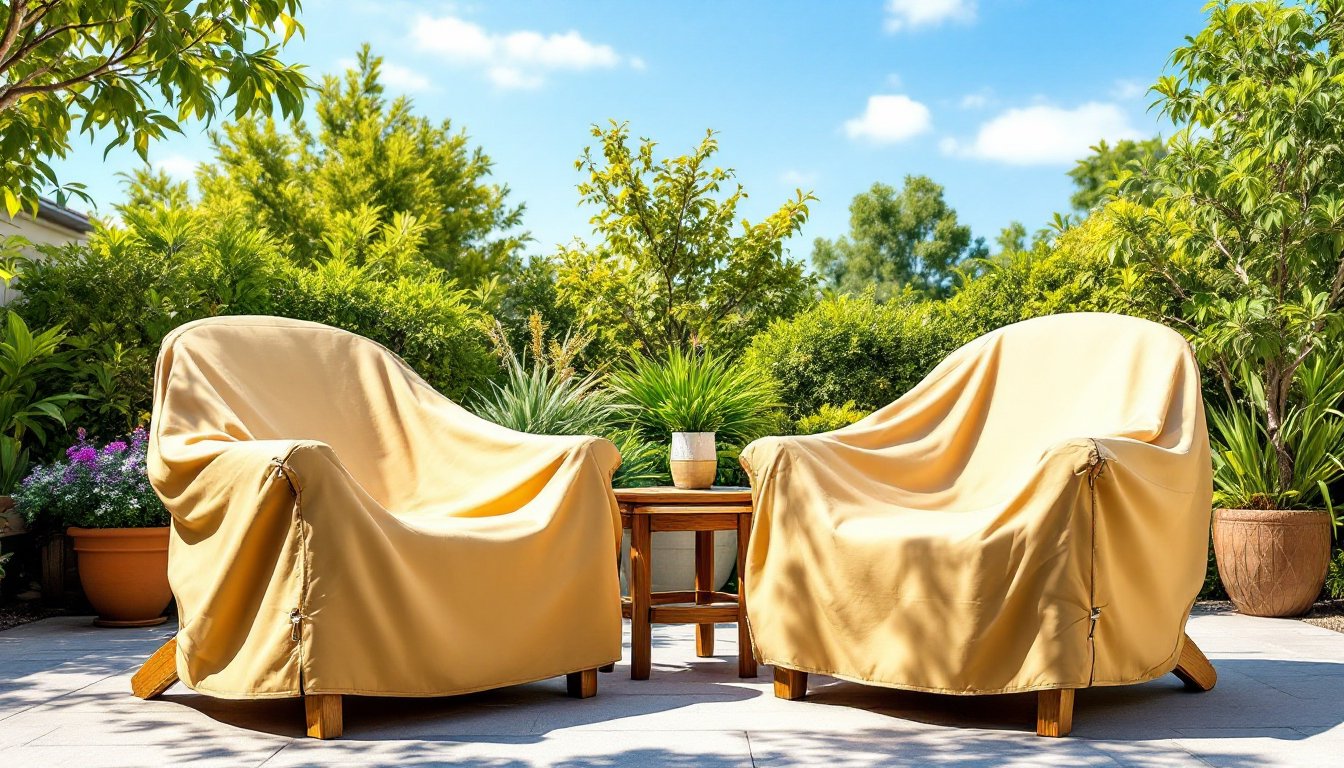
Outdoor furniture takes a beating. Sun, rain, pollen, and dust wear down cushions, fade fabric, and corrode metal faster than most homeowners expect. A quality patio furniture cover is one of the simplest and most effective investments for protecting your outdoor seating and tables year-round. Whether you’re storing pieces for winter or shielding them from daily exposure, the right cover keeps your furniture looking newer longer and reduces replacement costs. This guide walks you through selecting, installing, and maintaining furniture patio covers so your outdoor space stays protected without compromise.
Key Takeaways
- Patio furniture covers are a cost-effective investment that extend furniture life by years and reduce replacement expenses compared to the low price of covers themselves.
- Choose furniture patio covers based on your climate—breathable polypropylene for mild regions, water-resistant polyester blends for humid areas, and marine-grade materials for coastal environments.
- Quality matters over cost: a mid-range cover lasting 4 years provides better value than a cheap cover that fails in one year, with prices ranging from $40–$80 offering the best balance.
- Measure furniture carefully and size covers slightly loose rather than tight to prevent seam stress, while waterproof covers require weekly ventilation in humid climates to prevent moisture trapping.
- Clean covers seasonally with mild soap and water, avoid pressure washers, and store them loosely in cool, dry spaces to ensure they last 5+ years with proper maintenance.
Why Patio Furniture Covers Matter
Patio furniture without protection deteriorates predictably. Cushions absorb moisture and develop mildew, metal oxidizes and rust spreads, and fabric fades under UV exposure within months. A solid cover acts as a shield, blocking the elements while allowing air circulation to prevent moisture trapping.
Covers save money. Replacing a high-end lounge chair or dining set costs hundreds or thousands: a cover costs significantly less and extends furniture life by years. They also reduce seasonal maintenance, you won’t need to scrub mildew off cushions or apply rust-preventative treatments as often.
Beyond function, covers keep your patio tidy. Dust, leaves, and debris don’t accumulate on furniture when it’s covered, so you spend less time cleaning before using the space. For homeowners in humid climates or regions with heavy pollen, this is a genuine quality-of-life improvement.
Types of Patio Furniture Covers
Covers come in two broad categories: individual furniture covers and universal shapes designed for common pieces.
Individual covers fit specific items like chairs, chaise lounges, or small tables. They’re snug, stay put in wind, and offer precision fit. Universal covers come in standard dimensions (like 36″ × 48″ for small seating groups or 72″ × 72″ for mid-size sets) and work across multiple pieces or partial set configurations. Universal covers are cheaper and flexible: individual ones provide better protection.
Another distinction: breathable versus waterproof. Breathable covers (typically polypropylene or fabric blends with vented panels) allow moisture vapor to escape, reducing condensation buildup inside. Waterproof covers (vinyl, PVC, or coated polyester) block water entirely but can trap moisture if not vented or lifted periodically. Most quality covers blend both, water-resistant exterior fabric with breathable or vented construction.
Material Options and Durability
Polypropylene (PP) is the entry-level standard. It’s lightweight, affordable ($15–$40 per cover), and adequate for mild climates or seasonal storage. It typically lasts 1–2 years before UV degradation sets in.
Polyester with PVC or polyurethane coating offers better durability (3–5 years) and water resistance. These covers cost more ($40–$100) but handle rain and extended sun exposure better. Look for a thickness of at least 150 denier for longevity.
Canvas or solution-dyed acrylic fabric ($60–$150+) is top-tier. These breathable, mildew-resistant materials last 5+ years and resist fading. Solution-dyed fibers have color throughout the material rather than just on the surface, so minor abrasions don’t expose white undercoat.
PVC-laminated polyester (often called “marine-grade”) is waterproof, durable, and resistant to mildew. It costs more ($80–$150+) but works well for heavy-use areas or humid climates. The trade-off: it can trap moisture, so ventilation or occasional removal is essential.
Most quality covers include reinforced grommets, handles, and tie-down loops. Check seam construction, double-stitched or welded seams last longer than single-stitch, especially on waterproof covers where water exploits weak seams.
How to Choose the Right Cover for Your Needs
Start with your climate. In dry, mild regions, breathable polypropylene covers work fine for seasonal storage. In humid areas or zones with heavy rain, invest in water-resistant or waterproof covers with good drainage or venting. Coastal or high-salt-spray environments demand marine-grade materials to resist corrosion.
Consider how you’ll use the furniture. Covers left on year-round need to handle UV degradation and moisture cycling, go for solution-dyed acrylic or premium polyester blends. Seasonal covers (stored for winter, removed in summer) can be lighter-duty.
Budget matters, but don’t underestimate the payoff. A $50 quality cover that lasts 4 years costs about $12 per year. A $15 cheap cover that fails in one year costs $15 per year and adds hassle. Mid-range covers ($40–$80) balance cost and longevity for most homeowners.
Sizing and Fit Considerations
Measure your furniture carefully. For chairs, measure the height, width, and depth. For tables, get the length, width, and height. For grouped seating, measure the overall footprint. Round up slightly, a snug cover that doesn’t slip is better than one that’s loose.
Check the product specifications for both the interior dimensions and the exterior footprint (accounting for walls or nearby features). A cover that fits perfectly against a table might not account for drainage space around legs. Many quality covers are oversized slightly by design to ensure snug fit without splitting seams.
Use measurement images from retailer websites to compare actual dimensions, not just listed sizes. A “medium” cover from one brand might fit differently than another, online reviews often mention fit specifics.
For odd-shaped furniture or custom pieces, consider stylish patio cover designs and ideas from design resources: they sometimes offer custom-made options. Alternatively, large universal covers give you flexibility with non-standard configurations.
Caring for and Installing Your Covers
Installation is straightforward but preparation matters. Clean the furniture thoroughly before covering it. Wet, dirty surfaces accelerate mildew and are harder to clean later. Dry the furniture completely, any lingering moisture encourages mold growth under the cover.
For breathable covers, simply drape and tuck. Secure with the provided tie-down straps or elastic hems to prevent wind from lifting it. Don’t pull the cover tight against corners or sharp edges: that stresses seams and can tear the material.
For waterproof covers, ensure ventilation. Raise one edge slightly once a week in humid climates to let moisture escape, or choose covers with built-in vents. In regions with high rainfall, tilt covers slightly so water runs off rather than pooling on top.
Winter storage requires additional prep. Store covers indoors or in a garage, not wadded in a ball. Fold or roll them loosely and keep them in a cool, dry spot. This extends their lifespan and prevents mildew on the cover itself.
Clean covers seasonally with mild soap and water using a soft brush or sponge. Avoid pressure washers (they can puncture waterproof layers) and harsh chemicals. Inspect seams and grommets annually and repair small tears with waterproof patch kits before they spread. For structural damage, large rips, separated seams, replacement is often more practical than repair.
Maintenance consistency extends cover life significantly. A cover left uncleaned develops algae and mildew, which weaken fibers and create permanent stains. A hosed-off, dry cover stored properly lasts 5+ years even with mid-range materials. Resources like stylish pergola and patio cover options provide design inspiration, while installation guides at patio cover installation tips and design offer practical how-to details.
Conclusion
Patio furniture covers are a no-regret upgrade. They cost little compared to replacing worn furniture, fit almost any budget, and require minimal effort. Match the material to your climate and usage pattern, size accurately, and keep covers clean and dry. With basic care, quality covers protect your outdoor investment and keep your patio ready year-round.