Best Furniture for Small Apartments: Space-Smart Solutions That Actually Work in 2026
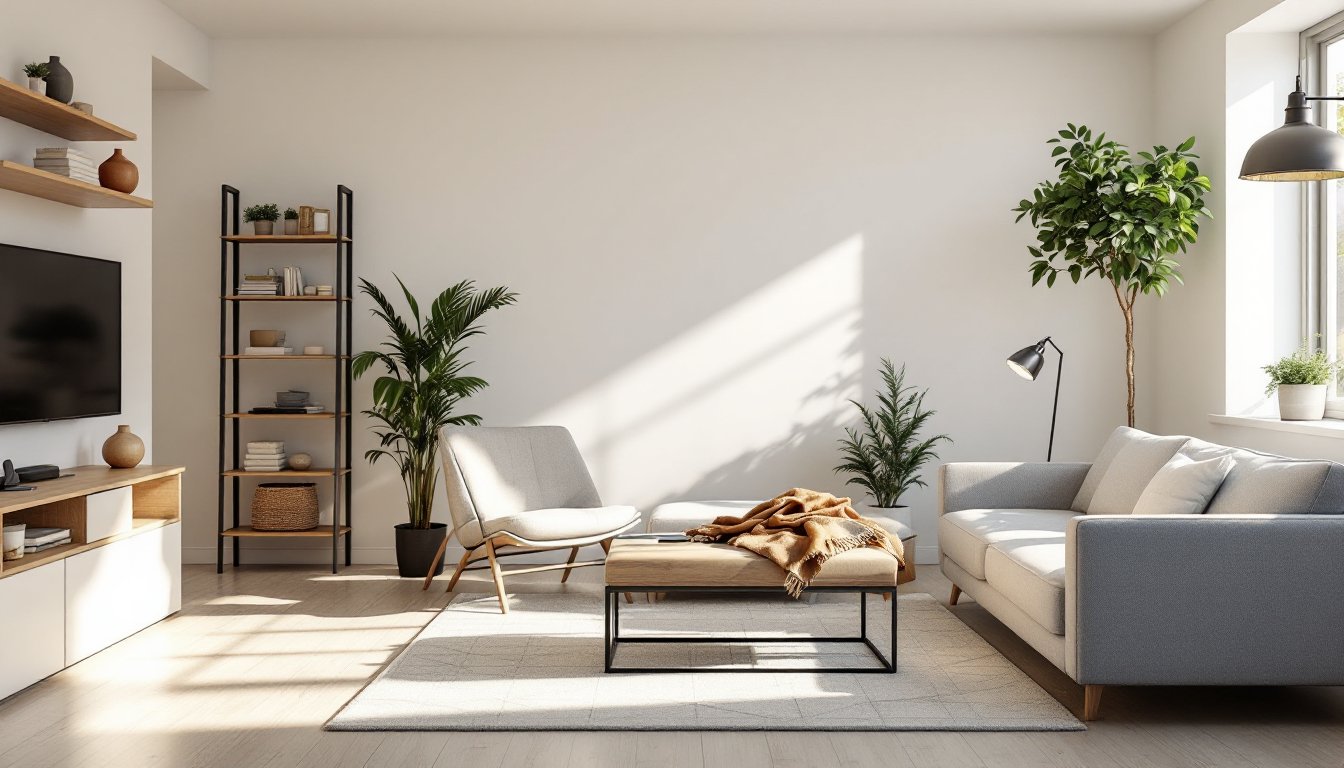
Living in a small apartment doesn’t mean settling for cramped, uncomfortable furniture or cluttered rooms. The right pieces can transform a tight space into something that actually feels livable, where you’re not tripping over chair legs or squeezing past a bulky sofa every time you move. The best furniture for small apartments balances functionality, scale, and smart design. It’s not about buying less: it’s about buying smarter. In 2026, small-space furniture has evolved beyond flimsy compromises. Real solutions exist for people who want comfort, style, and room to breathe in a compact footprint.
Key Takeaways
- The best furniture for a small apartment balances scale, functionality, and visual lightness—prioritizing pieces that don’t overwhelm the space while still providing comfort and style.
- Multi-functional furniture like storage ottomans, sleeper sofas, and murphy beds maximize limited square footage by serving two or more purposes without requiring additional floor space.
- Measure your space twice and choose appropriately scaled pieces, such as sofas under 72 inches wide and shallow seating (32–34 inches deep), to avoid overcrowding and maintain walkable areas.
- Light, neutral colors and materials with visual lightness—such as glass-top tables and furniture with exposed legs—make small apartments feel larger and less cramped.
- Strategic furniture placement, including floating sofas 12–18 inches from walls and using vertical space with wall-mounted shelving, transforms how a compact space functions and feels.
- Prioritize quality construction for multi-use pieces, cable management, and minimal clutter on surfaces to ensure your intentional furniture choices deliver lasting comfort and an open, breathable living environment.
Why Furniture Choice Matters in Compact Living Spaces
Every piece of furniture in a small apartment does double duty. A coffee table that doesn’t offer storage is wasted square footage. A sofa that sprawls across half the living room eats into your kitchen visibility. Your choices either open up the space or close it down.
Furniture scale is where most people go wrong. Standard-size pieces designed for suburban houses feel oversized and suffocating in a 600-square-foot apartment. A sectional that seats six comfortably in a suburban living room becomes a space-hogging monolith in a smaller floor plan. Conversely, pieces that are too small look scattered and cheap, they don’t anchor a room, they disappear into it.
Beyond size, material choices and visual weight matter. A glass-top dining table creates sightlines and feels lighter than a heavy wood version. Furniture with exposed legs (rather than skirted bases) makes a room feel more open because you can see the floor underneath. These small details compound. They’re the difference between a cramped box and a space that flows.
Persons shopping for small apartments should also think about the future. Will this piece work if you move or upgrade? Modular furniture, simple wood frames, and neutral colors have longer useful lives and stay relevant longer than trendy, apartment-specific pieces.
Multi-Functional Pieces That Earn Their Keep
Multi-functional furniture isn’t a compromise, it’s a necessity in small spaces. Every item should pull its weight by serving at least two purposes. Fortunately, the market has genuinely good options now, not just gimmicks.
Storage Ottomans and Benches
A storage ottoman is one of the best single pieces you can buy for a small apartment. It works as a coffee table, extra seating, a footrest, and hidden storage all in one item. Look for versions with sturdy wood or steel frames and upholstery that can handle real use. Avoid flimsy fabric-only constructions that sag after a year.
When shopping, measure the height. Ottomans that sit 16 to 18 inches tall work well with standard sofas and provide comfortable seating height. Anything shorter feels awkward for actual sitting. Benches at the foot of a bed or along an entryway serve similar purposes: seating, visual interest, and storage underneath (if they lift or have an open base).
Material matters here. Leather or performance fabric options resist staining and wear better than delicate materials if you’re using the piece daily. Price range varies widely, you can find solid storage ottomans from $150 to $500 depending on size and construction quality. Cheaper versions often have weak frames that won’t support repeated use as seating.
Sleeper Sofas and Murphy Beds
Sleeper sofas get a bad reputation, usually earned from awful 1990s models. Modern versions are genuinely functional, though they’re not replacements for actual beds if you sleep on your sofa regularly. They work best as occasional guest sleeping solutions or for studios where the sofa is your primary seating and occasional bed.
Look for mattress thickness of at least 5 to 6 inches and queen or full-size options rather than twin. The mechanism should be smooth, test it in-person if possible. Some use a pull-out tray (easier to operate but takes up floor depth), while others use a fold-down back (more compact but requires more effort). Neither is objectively better: it depends on how often you’ll use it and your physical ability to operate it.
Murphy beds are the heavier hitter here. They fold up into a wall-mounted cabinet, freeing the entire room during the day. The catch: they cost $1,500 to $4,000+ installed, require wall assessment for weight-bearing, and take up one full wall. They’re worth it if you have a dedicated office or guest room that must also serve as a bedroom. For renters, they’re typically not an option without landlord approval.
Hybrid solutions like bed frames with built-in storage drawers or lofted beds with desk space underneath offer function gains without the complexity of sleeper mechanisms.
Smart Size and Style Selections
Measure your space, then measure again, before you buy anything. Bring a tape measure to the furniture store or request exact dimensions from online sellers. Many people buy pieces only to discover they don’t fit doorways or leave no walking space.
Nominal dimensions matter. A “three-person sofa” is often 80 to 84 inches wide. That’s too much for many small living rooms. Look for 72-inch options or smaller. Depth is equally important: shallower sofas (32 to 34 inches deep) leave more floor space than overstuffed versions that eat 36+ inches.
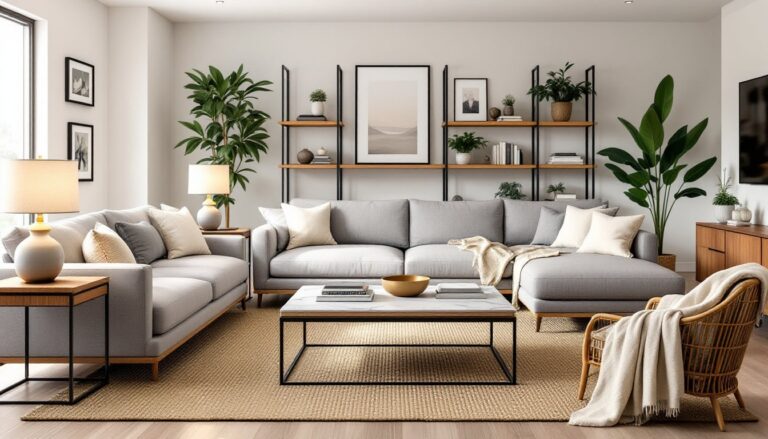
Color and material create visual impact. Light, neutral tones (white, gray, beige, soft blues) expand rooms psychologically and hide dust. Dark colors make small spaces feel smaller and show every fingerprint. That doesn’t mean everything must be beige, add color through removable pillows, throws, and decor instead of heavy furniture.
Glass, metal, and transparent materials shrink visual weight. A glass-top dining table or clear acrylic side table feels like it barely takes up space, even when it’s a functional piece. Wood furniture with exposed legs rather than skirted bases keeps sightlines clear to the floor. Upholstered furniture that sits flush to the floor (no legs) reads as heavy and space-consuming, even if it’s small.
Industrial and contemporary styles often work better in small spaces because they favor clean lines and minimal bulk. Traditional, heavily carved, or ornate furniture can feel cluttered in tight quarters. Real Simple offers organizing and design strategies that emphasize simplicity, which aligns well with small-space furniture principles.
Layout Strategies for Maximum Impact
Furniture selection only works if you place pieces strategically. Poor layout wastes all your smart buying decisions.
Identify your room’s anchor, usually a window, fireplace, or TV wall. Arrange your sofa to face the anchor, not the entrance. This creates a sense of enclosure and makes the space feel intentional rather than scattered.
Float furniture when possible. Pushing a sofa flush against the wall is the instinctive small-apartment move, but it often shrinks the room visually and wastes walking space. Pull your sofa 12 to 18 inches from the wall, especially if you can place a narrow console table behind it. This creates definition between zones (living area vs. hallway) without blocking sightlines.
Use vertical space aggressively. Wall-mounted shelving, floating desks, and tall bookcases draw the eye upward, making rooms feel taller and less compressed. But don’t overcrowd walls, empty space is as important as filled space. Apartment Therapy’s approach to small-space design emphasizes breathing room alongside functionality, which is the right balance.
Zoning matters, especially in studios. A rug under the seating area, a different lighting fixture over the desk, or a low bookshelf as a room divider helps define separate zones without closing off the space. Low dividers keep sightlines open, while full-height walls or tall furniture can make small apartments feel fractured.
Cables, chargers, and clutter kill small spaces faster than oversized furniture. Build in charging stations near seating areas, use cable management clips, and designate homes for remotes, keys, and everyday items. Clutter scattered across surfaces makes even a well-furnished apartment feel chaotic. Dwell’s modern living approach prioritizes clean surfaces and intentional placement, which compounds the impact of every piece you choose.
Conclusion
The best furniture for a small apartment balances scale, function, and visual lightness. Pieces that serve multiple purposes stretch your budget and floor space. Careful measurement and strategic placement transform how the space feels and functions. Small living doesn’t require sacrifice, it requires intention. Start with these principles, measure twice, and your space will breathe.