
American-Made Bedroom Furniture: Why Buy Local in 2026 and Where to Find the Best
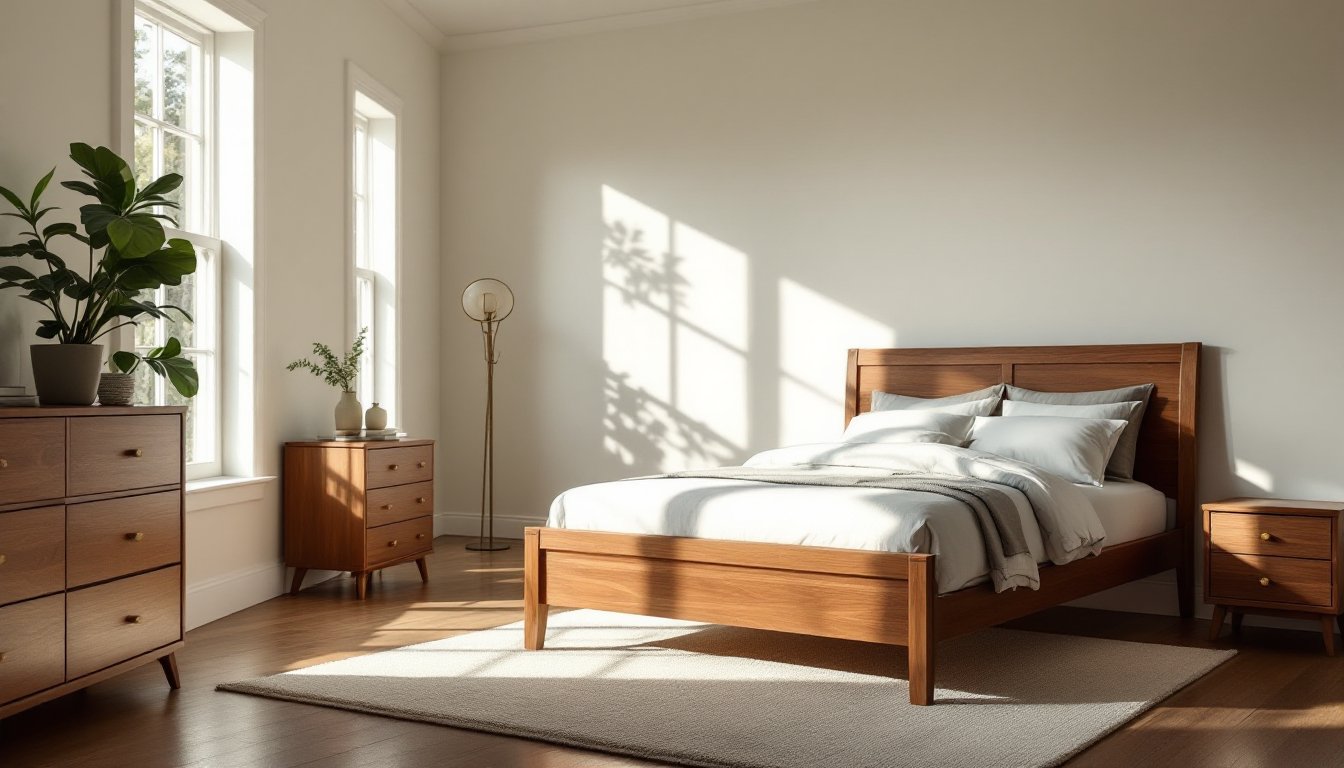
Bedroom furniture is one of those purchases that sticks around. A solid dresser, nightstand, or bed frame isn’t a trend, it’s an investment in how you sleep and start your day. Yet many homeowners default to mass-produced imports without considering what’s available domestically. American-made bedroom furniture offers a compelling alternative: it typically features superior craftsmanship, uses sustainably sourced materials, and supports local economies. In 2026, when supply chain headaches and environmental concerns loom large, buying furniture made in the USA makes both practical and ethical sense. This guide walks through why domestic bedroom pieces merit your attention, what to look for, and how to spot genuine American-made construction.
Key Takeaways
- American-made bedroom furniture built with solid hardwoods and proper joinery like mortise-and-tenon construction outlasts mass-produced imports and retains durability for decades.
- Bedroom furniture made in the USA reduces carbon footprints by cutting shipping distances and supports domestic manufacturing jobs, skilled woodworking apprenticeships, and sustainable forestry practices.
- Authentic American-made pieces require verification: look for language like ‘manufactured in’ or ‘produced in’ followed by a specific state, not misleading terms like ‘assembled in the USA.’
- Quality indicators for domestic bedroom furniture include solid hardwood construction, smooth drawer slides with dovetail joints, durable finishes (lacquer, catalyzed coatings, hard-wax oil), and solid brass or stainless steel hardware.
- Prioritize investing in frequently-used pieces like bed frames and dressers over decorative items; realistic pricing for solid-wood American-made dressers starts around $600–$1,200 depending on wood species and complexity.
Why Choose Bedroom Furniture Made in the USA
Quality And Craftsmanship Standards
American furniture makers, especially those still producing domestically, inherit traditions of solid joinery, hand-finishing, and attention to detail. Unlike mass-market imports churned out to hit a price point, domestic builders often use through-tenons, mortise-and-tenon joinery, and hardwood construction that’ll outlast cheaper alternatives. A solid wood bed frame made in the USA typically uses kiln-dried lumber (meaning the wood has been properly dried to prevent warping), whereas budget imports may use green wood or particleboard with veneers. This isn’t snobbery, it’s practical durability. A dresser built with proper joinery and finish won’t develop loose drawers or chipped veneers after two years. Many American manufacturers offer repair services, spare parts availability, and warranty terms that reflect their confidence in longevity.
Environmental and Economic Benefits
Domestic manufacturing cuts shipping distances dramatically. A bedroom set made in North Carolina and delivered to your home travels hundreds of miles, not thousands across oceans. Shorter supply chains mean lower carbon footprints and less packaging waste. Also, buying American-made furniture circulates dollars within local communities, wages, materials sourcing, and business growth stay closer to home. Forests managed under U.S. regulations (which mandate replanting and sustainable harvest practices) provide the timber for many domestic pieces, reducing the environmental impact compared to sourcing from regions with laxer standards. You’re not just buying a bed: you’re supporting forestry jobs, woodworking apprenticeships, and manufacturing facilities that employ skilled workers.
Key Materials and Construction Methods to Look For
When evaluating American-made bedroom furniture, focus on material specs and joinery. Solid hardwoods, oak, cherry, maple, walnut, are premium choices. They’re durable, can be refinished, and age gracefully. Avoid confusing “solid” with “real wood”, plywood with hardwood veneer is legitimate for tabletops and large panels (it’s actually more stable than solid wood for wide surfaces), but the framework should be solid hardwood or quality softwood like pine.
Joinery matters enormously. Drawers joined with dovetail or mortise-and-tenon construction will outlast stapled or pocket-hole joints by decades. When you open a drawer, it should glide smoothly on wooden slides or quality metal guides, not bind or rattle. Check the inside: if it’s unfinished or rough, the maker cut corners.
Finishes on American pieces tend toward durability: lacquer, catalyzed conversion coatings, or hard-wax oil. These protect against spills and dust better than water-based stains. Ask about finish type: it tells you whether the piece is built to last or merely priced to sell.
Look for hardware (handles, hinges, drawer slides) that feels solid. Lightweight pot-metal hardware suggests a budget piece: solid brass or stainless steel indicates quality. Finally, leg construction signals durability: legs mortised into the frame are far stronger than bolted-on legs that loosen over time.
Top Domestic Bedroom Furniture Categories Worth Investing In
Bed frames are an excellent starting point for American-made purchases. A well-built wooden frame distributes mattress weight evenly and won’t creak or sag. Domestic makers often produce frames in multiple finishes and wood species, letting you match existing decor. Projects like simple build bed frames in all mattress sizes show what’s possible with solid joinery and quality materials.
Dressers and chests are where craftsmanship shines. American makers take pride in drawer fit, finish depth, and hardware quality. A dresser serves for decades when built properly, and resale value on solid-wood domestic pieces often exceeds imports. Nightstands are underrated, a sturdy nightstand with a drawer that closes smoothly and shelving you trust to hold books and a lamp makes a difference in daily life. Headboards offer style and functionality: upholstered domestic headboards use better fabrics and padding than mass-market alternatives.
When shopping, prioritize items that receive heavy daily use (bed frames, dressers) over purely decorative pieces. A solid American-made dresser or nightstand is an investment: an imported decorative shelf is a consumable.
How to Identify Authentic American-Made Bedroom Pieces
Origin claims require verification. “Assembled in the USA” does not mean made in the USA, parts may be imported and assembled domestically. Look for language like “manufactured in,” “built in,” or “produced in” followed by a specific state. Reputable makers list their facility location prominently.
Inspect labels and documentation. Legitimate domestic makers include tags, stamps, or engravings identifying the maker and location. Ask the seller for manufacturing details: vague answers are red flags. Check the company’s website for facility information and material sourcing transparency.
Examine the materials and joints in person. Visit a showroom if possible. Open drawers, check grain patterns, feel the finish, and inspect joinery. Photos hide rough edges and loose parts. Ask questions: Where’s the wood sourced? How long is the warranty? Can you order replacement parts?
Price signals value. American-made solid-wood bedroom furniture typically costs more than imports, labor, materials, and overhead are higher domestically. If a dresser claims domestic manufacturing but costs $200, something’s wrong. Realistic pricing for a solid-wood dresser starts around $600–$1,200 depending on wood species and finish complexity.
Third-party endorsements help. Organizations like the Handyman’s Daughter and makers publishing detailed build guides on platforms like Fix This Build That often highlight quality domestic construction. These resources review real craftsmanship, not marketing claims.
Conclusion
American-made bedroom furniture delivers tangible benefits: durability, repairability, environmental sense, and support for domestic skills. It’s not about blind patriotism, it’s about buying pieces that work harder, last longer, and feel solid underfoot. Start with one key piece, verify its origin and construction, and build from there. Your bedroom, and your sleep, deserve better than throwaway imports.