Amazonia Patio Furniture: A Complete Guide to Durable Outdoor Living in 2026
Amazonia patio furniture has earned a solid reputation among homeowners and DIY enthusiasts who want outdoor pieces that actually stand up to weather, heavy use, and years of entertaining. Whether you’re furnishing a small balcony or outfitting a sprawling deck, Amazonia delivers functional, well-built seating and tables at prices that won’t require financing. This guide walks you through what makes these pieces tick, which collections fit your space, and how to keep them looking sharp for the long haul.
Key Takeaways
- Amazonia patio furniture uses sustainable hardwood like acacia and eucalyptus with mortise-and-tenon joinery and stainless steel hardware, delivering 10+ years of durability at half the cost of designer teak alternatives.
- Popular collections like the Arizona conversation set and Oval Extendable Table balance space efficiency with functionality, making Amazonia suitable for both large decks and compact apartment patios.
- Seasonal cleaning, annual sealant reapplication, and proper winter storage are straightforward maintenance steps that protect your investment and keep wood looking rich for a decade or longer.
- Measure your patio space carefully and choose Amazonia pieces based on actual use (entertaining vs. relaxation) and climate conditions, with open-slatted designs preferred in humid regions.
- Purchase timing matters: shopping in late August through September can save 10–15% compared to spring prices, and specialty retailers often offer better return policies and white-glove delivery than marketplace listings.
What Makes Amazonia Patio Furniture Stand Out
Amazonia focuses on solid construction over trendy aesthetics, which is exactly what works in an outdoor environment. Most of their core lineup uses sustainable hardwood, primarily acacia and eucalyptus, sourced from responsibly managed forests. These woods naturally resist rot and insect damage better than softwoods, meaning less babying and longer lifespans.
The joints and hardware matter too. Amazonia typically uses mortise-and-tenon connections (a traditional woodworking joint where a projecting piece fits into a cavity) rather than relying solely on dowels or screws. Stainless steel bolts and hinges fight corrosion. These details don’t show up in marketing copy, but they’re the difference between furniture that lasts five years and furniture that goes ten or more.
Price-to-durability ratio is a major draw. A comparable teak set from a designer brand can run $2,000–$4,000, while Amazonia delivers similar performance for $800–$1,500. You’re not paying for a brand name or elaborate finishing: you’re paying for solid wood and smart joinery. For homeowners who want reliable outdoor furniture without premium pricing, that’s a winning formula.
Popular Amazonia Collections for Every Outdoor Space
Amazonia’s lineup spans conversation sets, dining tables, lounge chairs, and sectionals, all built on the same woodworking foundation. Their designs lean minimal and functional: don’t expect elaborate carved details or fabric-wrapped frames.
Best Sellers and Top-Rated Sets
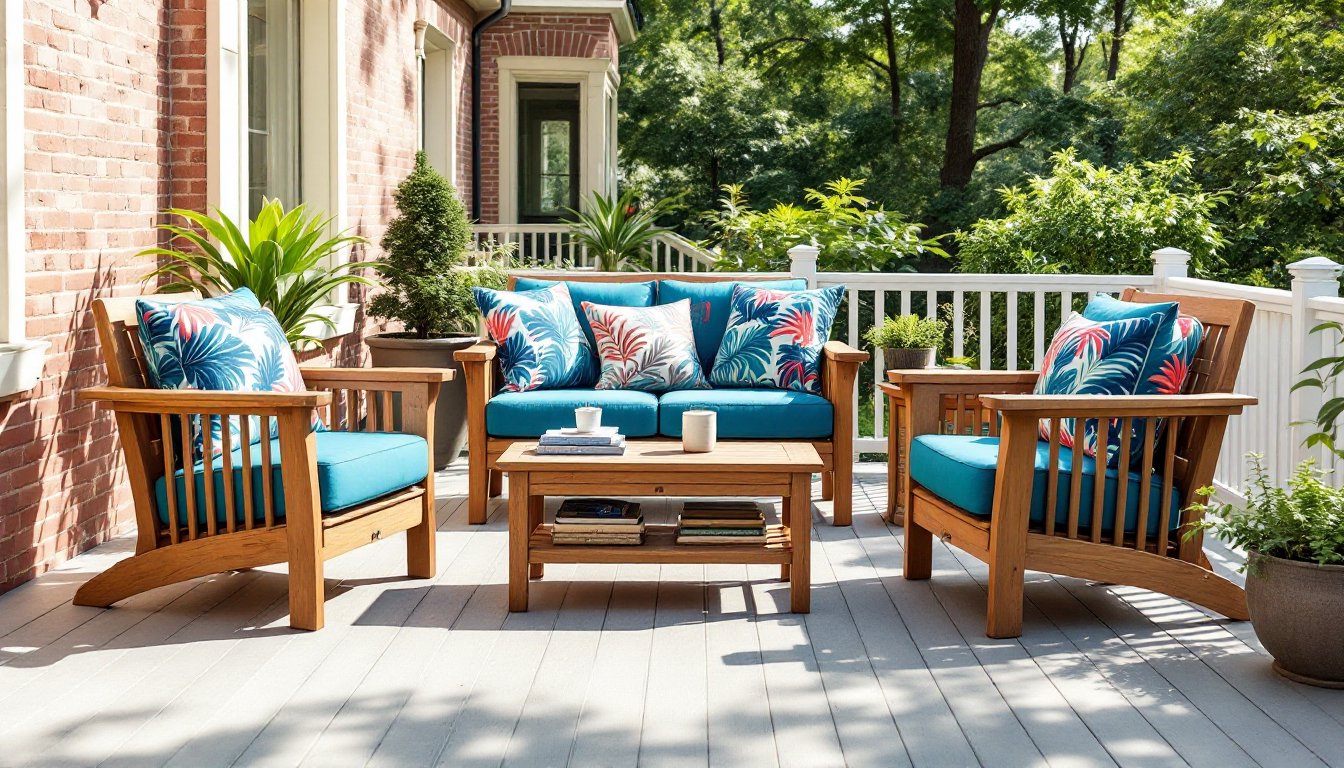
The Amazonia Arizona collection dominates sales for a reason: it’s a four-piece conversation set (two chairs, one love seat, one coffee table) in acacia wood that fits tight spaces. Real dimensions matter here, the chairs are roughly 28 inches wide and 34 inches tall, making them substantial without overwhelming a standard apartment patio. Outdoor cushions in retro tropical prints add character: retailers like Gardenista feature options that pair well with neutral wood tones.
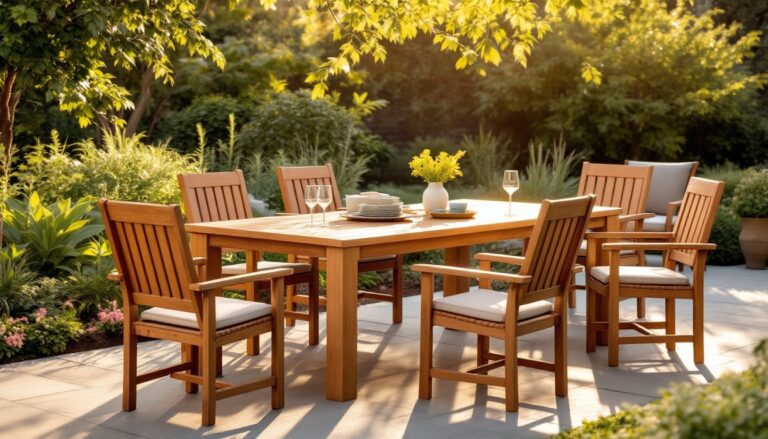
For dining, the Amazonia Oval Extendable Table seats 6 people comfortably at full extension and collapses to 60 inches when you need deck space back. Paired with the matching stacking chairs, it’s a no-fuss setup for families who entertain regularly. The table surface is sealed to resist water pooling, though you’ll still want to wipe it down after rain or you’ll get dark water stains that take weeks to dry out.
If you’re working with a smaller footprint, the Amazonia Mainstay bench is a simple, two-person piece that works against a railing or in a corner. Some owners use pairs of them for a long, low seating arrangement along a deck edge. Stock varies by retailer, but these core pieces are usually available within a week or two.
Maintenance and Care Tips to Extend Furniture Lifespan
Hardwood outdoor furniture isn’t fire-and-forget, but maintenance is straightforward and inexpensive if you stay on top of it.
Seasonal cleaning is non-negotiable. At the start of summer and again in fall, wash the pieces with a soft brush and mild soap and water. Use a deck cleaner (like Dekko or similar) if mold or mildew spots appear: these thrive in damp, shaded spots. Rinse thoroughly with a hose and let dry completely, at least 24 hours in dry weather, before applying any finishes.
Sealant and oil keep wood looking rich and protected. Amazonia usually ships pieces with a basic sealant, but it wears off within a year in direct sun. Reapply a water-based exterior sealant annually, or opt for teak oil every 3–4 months if you prefer a darker, richer appearance. Both products are available at hardware stores: follow the manufacturer’s drying times before using furniture again. Sand lightly between coats with 150-grit sandpaper if the finish feels rough.
Cushion care extends to covers. Remove cushions before rain or store them in a waterproof bag. Machine-wash covers on a gentle cycle quarterly, or hand-wash if zippers are delicate. Mold loves damp fabric, so ensure cushions dry completely before storing.
Storage in winter (if your climate gets harsh) protects investment. Disassemble tables and stack chairs to save space, and cover everything with a breathable furniture cover, not plastic, which traps moisture. Unheated garages or sheds work fine as long as there’s no direct standing water. Unfinished wood can absorb moisture and swell slightly over winter, so don’t stress about minor gaps in joints come spring: they’ll close as wood acclimates to warmer temperatures.
How to Choose the Right Amazonia Pieces for Your Patio
Start with a hard measurement of your space. Measure from the house edge to the railing or fence edge, and side to side. Account for foot traffic and door swings. A four-piece conversation set takes up roughly 10 by 12 feet when you include the gaps between pieces: if your patio is smaller, opt for two chairs and a side table instead. Online retailer pages often list exact dimensions, use those, not product photos, which can be deceptive.
Next, consider how you actually use the space. Do you host formal dinner parties, or is it a quiet reading spot? Formal entertaining calls for a dining table: intimate relaxation works with a pair of chairs and a small side table. Amazonia makes both. Climate matters too: in humid, rainy climates, prioritize pieces with good air circulation between slats (benches with open backs, tables with slatted undersides). Solid-bottom pieces trap moisture and require more aggressive maintenance.
Budget realistically. A complete Amazonia dining set (table plus six chairs) runs $1,200–$1,600 depending on wood type and finish. That’s solid middle ground, not cheap, not luxury. If that’s stretching your budget, start with two chairs and a side table, then add pieces over time as budget allows. Retailers often run spring sales (March–May), so timing your purchase around deals helps.
Brand alternatives exist. Teak furniture from suppliers like Pottery Barn is beautiful but pricier. Acacia from outlets like Threshold at Target is budget-friendly but lighter-duty. For serious durability at fair pricing, Amazonia sits in a comfortable sweet spot.
Pricing and Where to Buy Amazonia Patio Furniture
Amazonia pieces show up at mainstream retailers, Amazon, Wayfair, and big-box home improvement stores, as well as specialty outdoor furniture shops. Prices are fairly consistent across retailers, but shipping and return policies vary wildly. Free shipping on bulky furniture is rare: expect $50–$150 for delivery depending on piece size. Some retailers waive shipping on orders over a threshold (often $500 or $1,000).
Marketplace listings (Amazon, Wayfair) are convenient for browsing, but read reviews carefully. People complain about wood knots, finish inconsistencies, and damaged corners during shipping. These are cosmetic and normal for solid wood shipped long distances, not dealbreakers unless the piece arrived cracked through a joint. Specialty outdoor furniture retailers often offer white-glove delivery and assembly, which justifies a slightly higher price if you don’t have time to unbox and inspect shipments yourself.
Seasonal discounts are real. Spring and early summer (March through June) is peak buying season, so prices stay firm. Late August through September sees a drop as retailers clear inventory before fall. Winter sales (November–December) exist, but selection shrinks. Buying in September might save 10–15% compared to May.
Warranty and return policies differ by retailer. Most big-box stores offer 30–60 day returns: specialty retailers may allow up to one year. Check the fine print before checkout. Manufacturer defects (hardware failure, joint separation within the first year) are usually covered under a one-year limited warranty from Amazonia directly, but you’ll need to document the failure with photos and contact customer service. This process takes weeks, so buying from retailers with easier returns is often smarter than fighting a warranty claim.
Conclusion
Amazonia patio furniture delivers honest construction, practical design, and fair pricing for homeowners ready to invest in outdoor seating that won’t fail after a couple of seasons. Whether you’re outfitting a sprawling deck or furnishing a compact apartment patio, the brand’s range covers most needs without forcing you into unnecessary upgrades. Pair any Amazonia set with regular maintenance, annual cleaning and resealing, and you’ll get a decade or more of reliable outdoor living. That’s the kind of durability that makes DIY homeowners comfortable recommending pieces to neighbors.