Brown Bedroom Furniture: The Complete Style Guide for Warm, Inviting Spaces in 2026
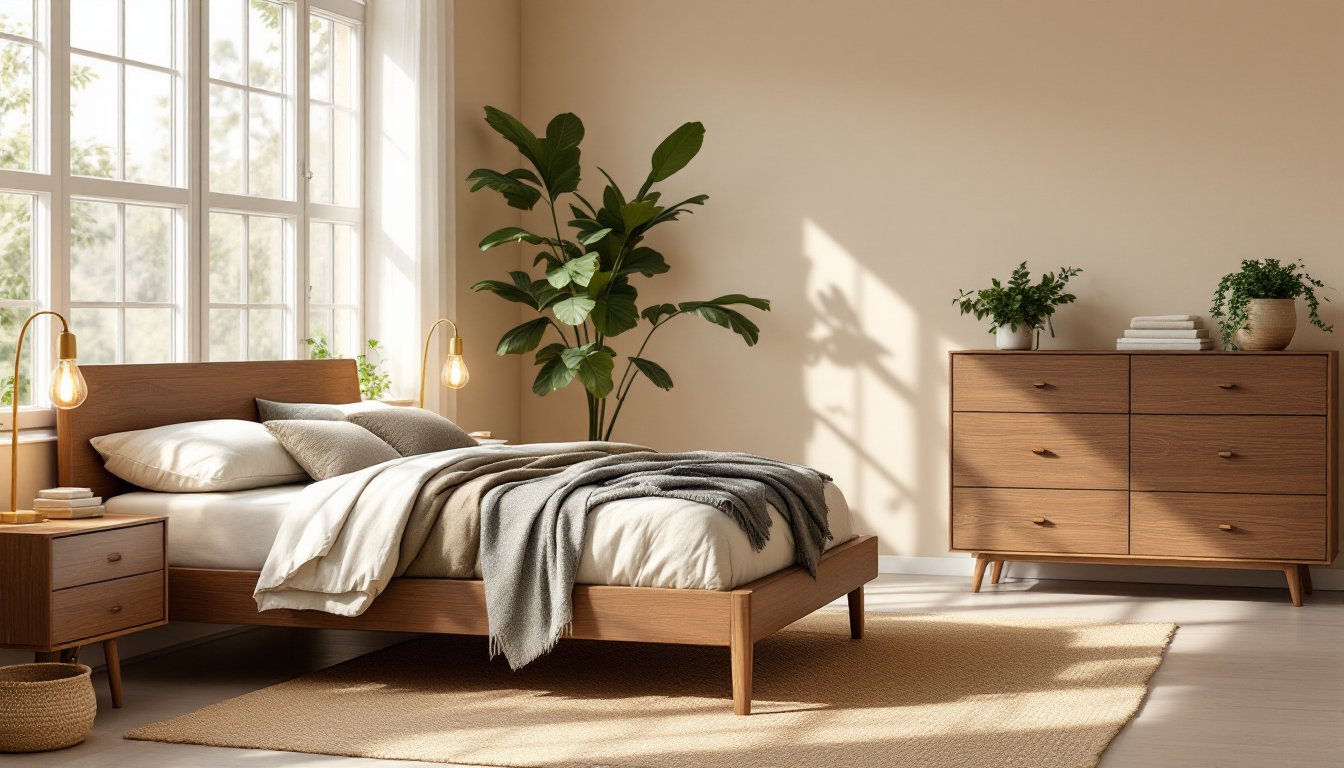
Brown bedroom furniture has made a strong comeback in modern home design, and for good reason. Warm, versatile, and timeless, brown tones create an inviting retreat that works with nearly any decorating style, from rustic farmhouse to contemporary minimalist. Unlike trendy color palettes that fade within a season, brown bedroom furniture offers lasting appeal and genuine comfort. Whether you’re starting from scratch or refreshing a single piece, understanding how to select and style brown furniture sets the foundation for a bedroom that feels both collected and intentional. This guide covers everything from wood types and finishes to color pairings and investment pieces, so you can build a cohesive, warm bedroom space that actually feels good to spend time in.
Key Takeaways
- Brown bedroom furniture delivers lasting warmth and versatility, working seamlessly with minimalist, rustic, and contemporary styles without fading like trendy color palettes.
- Choose wood types strategically—walnut for drama, oak for affordability, cherry for classic appeal—and prioritize finishes that hide dust and wear, like matte or hand-rubbed options.
- Medium brown offers the most versatile foundation; pair it with warm neutrals, jewel tones, or soft pastels to prevent a dated feel and maximize the room’s visual appeal.
- Invest in core pieces like bed frames, nightstands, and dressers in quality brown wood, then save on secondary furniture that’s easier to replace as styles evolve.
- Create cohesion by matching wood undertones and visual weight across pieces, and always test brown furniture in your actual room under real lighting before committing to a purchase.
Why Brown Bedroom Furniture Works for Modern Homes
Brown isn’t a safe default, it’s a deliberate choice that offers flexibility modern homeowners crave. Unlike white or gray, which can feel cold or overly sterile, brown grounds a room with warmth and depth. It pairs seamlessly with bold accent colors, soft neutrals, and natural textures, making it ideal for both minimalist and maximalist aesthetics.
Modern bedroom design increasingly favors comfort-first spaces, and brown wood furniture naturally supports that shift. The material itself, whether solid walnut, oak, or cherry, carries weight and substance that makes a room feel established rather than transient. Brown also hides dust and minor scratches better than lighter finishes, a practical consideration for busy households.
From a psychological standpoint, brown promotes relaxation and grounding, exactly what a bedroom should feel like. Designers and homeowners at luxury design firms consistently choose warm wood tones for master bedrooms and retreats because they work. The trend isn’t new, but the intentionality behind it is, and that’s what makes brown bedroom furniture feel fresh in 2026.
Best Wood Types and Finishes for Brown Bedroom Pieces
Not all brown wood is created equal. The species, grain pattern, and finish dramatically affect how a piece looks in your space and how it performs over time.
Walnut delivers deep, chocolate brown tones with dramatic grain, ideal for statement beds and dressers. It’s dense and durable, though it costs more than softwoods. Oak offers lighter to medium brown with prominent grain lines: it’s affordable, sturdy, and works well for farmhouse or traditional styles. Cherry brings warm, reddish-brown hues that deepen with age and sunlight exposure, beautiful for classic or transitional bedrooms. Mango wood and acacia are increasingly popular sustainably sourced options with rich, varied brown tones at mid-range prices.
Finish type matters as much as wood species. A matte or satin finish reduces glare and hides fingerprints, while a glossy finish brings elegance but requires more upkeep. Many quality bedroom furniture pieces use hand-rubbed or distressed finishes, which add character and hide minor surface wear, a smart choice for real-world bedrooms.
Light, Medium, and Dark Brown Options
Light brown (honey, tan, butterscotch tones) works best in smaller bedrooms or spaces with limited natural light: it opens up the room and pairs effortlessly with whites, creams, and soft blues. Medium brown is the most versatile: it provides visual weight without overwhelming and suits nearly every color scheme. Dark brown (chocolate, espresso, mahogany) creates drama and intimacy, stunning in larger rooms with good natural light or rooms where you want a cocooning effect. If you’re unsure, medium brown is the safest investment for long-term satisfaction.
Creating a Cohesive Look with Brown Bedroom Furniture
A cohesive brown bedroom doesn’t mean every piece matches perfectly, it means the pieces work together in tone, scale, and style. Start by choosing a dominant wood type and finish. If your bed is solid walnut with a matte finish, your nightstands and dresser should ideally echo that same depth and finish quality. Mixing finishes is fine, but make sure they’re intentional, not accidental.
Consider the undertones within brown woods. Some lean warm and orangey (cherry, mango wood), while others skew cooler and grayer (some walnuts, reclaimed wood). Don’t pair warm and cool browns in the same small room, it looks disjointed. In larger bedrooms, you can blend them if other design elements tie them together.
Proportionality matters enormously. A heavy, ornate brown dresser paired with a delicate modern bed creates visual friction. Instead, match the furniture’s visual weight and style period. If you already own a piece you love, let it anchor the room and build around its aesthetic and tone. Scale your other pieces, bed frame height, nightstand proportions, dresser dimensions, so they feel balanced as a set, even if they don’t match exactly.
Testing pieces in your actual room, under your actual lighting, beats guessing online. Bring home samples if possible, and observe how the brown shifts throughout the day as light changes.
Pairing Brown Furniture with Color Schemes and Accents
Brown bedroom furniture is a neutral canvas for color. The right accent colors amplify its warmth and prevent the room from feeling dated or dull.
Warm neutrals (cream, ivory, warm gray, taupe) let brown furniture shine without competition. Add texture through linens, a woven throw, and layered bedding to keep things interesting. Deep jewel tones (emerald, sapphire, terracotta) create sophisticated contrast with brown wood, think jewel-toned accent pillows or a feature wall. Soft pastels (sage green, dusty rose, warm terracotta) offer gentleness without washing out the richness of brown.
For modern bedrooms, navy or charcoal accents paired with warm wood deliver crisp sophistication. Warm whites and creams with natural fiber accents (jute rugs, wooden details, linen bedding) emphasize the earthy, grounded nature of brown furniture.
Avoid pairing brown with cool grays or stark whites unless the brown skews very light. The mismatch of undertones creates visual discomfort. Instead, if you want cooler accents, use them sparingly, perhaps in artwork or a single throw blanket rather than dominant soft furnishings.
Accessories and textiles do the heavy lifting. With brown furniture as your anchor, layer in plants, wooden decor, woven baskets, and warm-toned lighting (warm LED or Edison-style bulbs work beautifully). These details make a brown bedroom feel curated and intentional rather than plain.
Essential Brown Bedroom Pieces and Where to Invest
You don’t need to buy everything at once. Prioritize based on your budget and what you use daily. A bed frame is your anchor and the first investment, solid wood or high-quality veneer, medium to dark brown, in a style you’ll love for years. This is worth spending on. A nightstand or bedside table matters next: you use it nightly. Aim for solid wood here too, with a finish that matches or complements your bed.
A dresser serves both storage and visual weight in a room. A quality brown dresser with solid drawers and smooth glides will outlast budget alternatives by years. Bed sets and textiles deserve investment, quality bedding amplifies the warmth brown furniture provides. Mahogany and brown wood pieces trend among design-conscious homeowners, and mixing wood tones intentionally (say, a walnut bed with an oak dresser) feels current when done with purpose.
You can save on secondary pieces like a desk chair, accent tables, or shelving, these are easier to replace if your style evolves. But core furniture deserves better quality and a finish that will age gracefully rather than chip or fade within five years.
Before buying, measure your room and test scale. A beautiful dresser that takes up half your bedroom wall isn’t practical. Similarly, a bed frame that dominates a small room makes everything else feel cramped. Brown furniture announces itself, make sure it fits proportionally into your space.
Conclusion
Brown bedroom furniture offers warmth, versatility, and lasting style that transcends fleeting trends. By choosing quality wood types, coordinating finishes intentionally, and pairing your pieces with thoughtful colors and textures, you create a bedroom that’s both visually cohesive and genuinely comfortable. Start with anchor pieces, build thoughtfully, and let your brown furniture become the foundation of a retreat that feels unmistakably yours.