How to Replace Patio Furniture Cushions: A 2026 Guide to Refreshing Your Outdoor Space
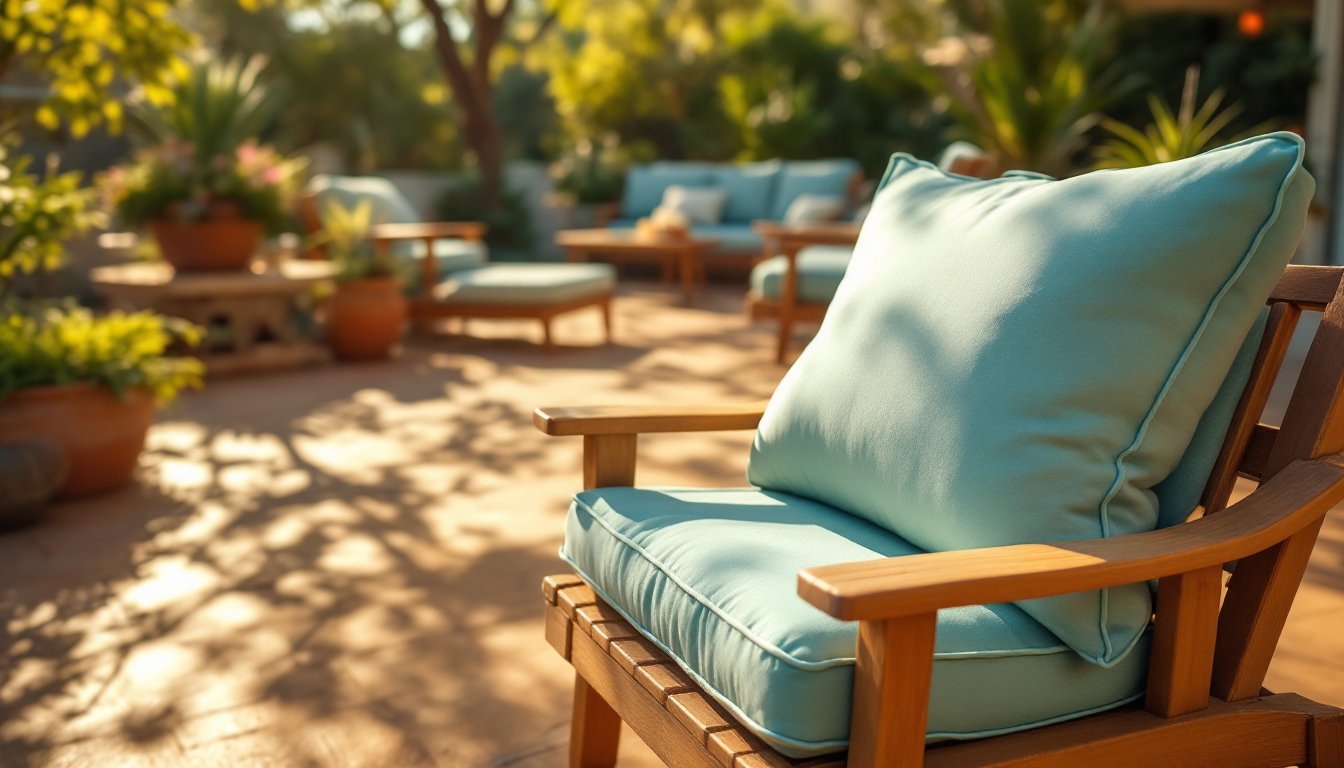
Faded cushions on your patio furniture don’t have to mean it’s time for a full replacement. A cushion refresh breathes new life into your outdoor seating without the cost or hassle of buying an entirely new set. Whether the covers are sun-bleached, the foam has flattened, or you simply want a new color scheme, replacing patio furniture cushions is a straightforward project that takes a weekend and basic measurements. This guide walks you through everything, from measuring accurately to selecting durable materials to installing your new cushions so they fit right and last through multiple seasons.
Key Takeaways
- Patio furniture cushion replacement is an affordable and straightforward DIY project that costs $40–$150 per cushion and can be completed in an afternoon without special tools.
- Accurate measurements of length, width, thickness, and cushion shape are essential to ensure your replacement cushions fit properly and last through multiple seasons.
- Solution-dyed acrylic fabrics like Sunbrella offer the best balance of fade resistance and durability for most outdoor climates, while polyester works for covered patios and olefin suits rainy, humid areas.
- Clean the furniture frame thoroughly before installing new cushions to prevent mold and mildew growth between the cushion and frame.
- Specialty outdoor furniture stores and custom upholstery services provide more fabric options and custom sizing compared to big-box retailers, though they may take 1–2 weeks to ship.
Why Replace Your Patio Cushions?
Patio cushions take a beating. UV rays fade fabric, moisture encourages mold and mildew, and foam breaks down after a few years of body weight pressing on it every time someone sits down. Unlike a cushion inside your living room, outdoor cushions deal with temperature swings, rain, pollen, and dust storms.
Replacing worn cushions is often cheaper than replacing the entire furniture set, especially if the frame is still solid. A new cushion also gives you a chance to switch colors or patterns, maybe your deck’s color scheme has evolved since you bought the original set. And honestly, sitting on a firm, supportive cushion feels infinitely better than sinking into compressed foam that stopped supporting anything years ago.
The project requires no special tools, no construction experience, and typically costs between $40 and $150 per cushion depending on size and material quality. Most homeowners can knock this out in an afternoon.
Measuring Your Cushions for Accurate Replacements
Measuring wrong means a cushion that doesn’t fit, either too loose and sliding around, or too tight and impossible to install cleanly. Take your time here.
Taking the Right Measurements
Measure the length, width, and thickness of your existing cushion. Use a fabric measuring tape or a steel measuring tape, not a soft cloth tape that can stretch. Write the numbers down: don’t rely on memory.
For length and width, measure across the widest points on the top surface. Include any piping or binding in your measurement, that’s part of the cushion’s actual footprint. If the cushion tapers (narrows at one end), measure both the wide end and the narrow end: note that variation when you order.
For thickness, measure the cushion when it’s sitting at rest on a flat surface. Most patio cushions run 4 to 6 inches thick, but some are thinner. Thickness matters because it affects support and how the cushion looks in the chair frame.
If you’re replacing a missing cushion on an older set, measure the matching cushion that’s still there. If all cushions are gone, measure the chair’s seating surface (the area where the cushion should rest). Cushions are typically sized to fit the seat area with a small overlap on the sides.
Note the cushion shape: rectangular, square, or contoured. Contoured cushions have notches cut for chair backs or armrests, they’re more expensive but necessary if your furniture has those features.
Choosing the Right Replacement Cushion Material
Not all outdoor cushion fabrics are equal. Some fade in months: others last for years under full sun. The material you choose directly affects how often you’ll be doing this project again.
Popular Cushion Fabrics and Their Benefits
Solution-dyed acrylic is the workhorse of outdoor cushions. The dye is mixed into the fiber before it’s spun, so the entire thread is colored, not just the surface. This means fading happens slowly and unevenly, so it’s barely noticeable. Sunbrella is the most recognized brand, and DIY home decor projects and furniture makeovers often feature Sunbrella cushions because they’re reliable and come in hundreds of colors and patterns. Solution-dyed acrylics are mildew-resistant, fade-resistant, and priced mid-range ($60–$120 per cushion for standard sizes).
Polyester is the budget option. It’s cheaper ($40–$80 per cushion) but fades faster in strong sunlight and degrades more quickly in humid climates. Use polyester if you’re in a covered porch area with filtered light or if you bring cushions inside during off-season.
Olefin (polypropylene) is extremely water-resistant and dries quickly, making it ideal for climates with frequent rain or high humidity. It’s also affordable. The trade-off is that olefin doesn’t hold color as vividly as solution-dyed acrylic, and it can feel a bit plasticky.
Sunbrella Performance fabrics are premium. They’re solution-dyed, exceptionally fade-resistant, and treated to repel water and resist stains. Expect to pay $100–$150+ per cushion, but they’ll look great for 5+ years with minimal maintenance.
When choosing, consider your local climate. Full-sun, hot regions demand better fade resistance. Rainy or humid areas need mildew resistance. Covered patios can get away with standard polyester.
Where to Buy Quality Replacement Cushions
You have several avenues: furniture retailers, specialty outdoor living shops, online marketplaces, and custom upholstery services. Each has pros and cons.
Big-box retailers (Home Depot, Lowe’s, Walmart) stock basic cushions in standard sizes. Prices are competitive, selection is limited, and you see the product before buying. Useful if you need something quickly.
Specialty outdoor furniture stores (local or online) carry more fabric options and sizes. They often let you choose fabric and foam density, and many offer custom sizing for odd-shaped cushions. These retailers usually ship within 1–2 weeks.
Online marketplaces (Amazon, Wayfair) offer huge selection and fast shipping. Read reviews carefully, return policies vary, and some sellers source low-quality foam or fabrics. Check the material composition and customer feedback on durability.
Custom upholstery shops create cushions to spec: exact dimensions, fabric choice, foam core density, binding style. This costs more ($120–$250+ per cushion) but is essential if your furniture has an unusual shape or if you want premium aesthetics. Southern home design and outdoor living ideas often feature custom cushion work because it matches specific decor styles.
Before ordering, confirm the return policy and shipping costs. Some sellers charge $20–$50 per cushion to ship, which adds up fast. If you’re unsure about sizing, buy one cushion first, test the fit, then order the rest.
Installing Your New Patio Cushions
Installation is simple: clean the furniture, remove old cushions, and set new ones in place. But a few details make the difference between a polished look and a sloppy one.
Step 1: Clean the furniture frame. Use a soft brush or damp cloth to remove dust, pollen, and debris from the seat area. If there’s mold or mildew (black or green spots), scrub with a 10% bleach solution and let dry completely. Moisture trapped between a new cushion and a dirty frame will encourage mildew growth.
Step 2: Remove old cushions. If they’re tied or velcroed on, undo those attachments. If they’re just sitting in the frame, lift them straight out. Dispose responsibly, some local waste management services have fabric drop-off programs.
Step 3: Position the new cushion. Lower it into the frame slowly. If it’s a tight fit, wiggle it gently into place. It should sit flush against the frame without gaps or lumps. If it doesn’t fit smoothly, double-check your measurements against the actual cushion.
Step 4: Secure the cushion if needed. If your cushions come with ties, attach them to the frame. If they’re adhesive-backed (uncommon but available), press firmly. Many cushions simply rest in the frame and don’t need securing unless your furniture is in a windy area, wind can flip loose cushions.
Step 5: Step back and check. Walk around, look at the fit from different angles. The cushion should be centered, fully supported, and not overhang unevenly. Outdoor living spaces and landscape inspiration emphasize how a well-fitted cushion completes the look, it’s about proportion and balance, not just comfort.
Pro tip: If you have stacked or tiered cushions (seats plus back pillows), install those last. Start with the base layer, then add back cushions and accent pillows. Layer carefully so everything sits securely.
After installation, let cushions air out for a day before using the furniture. New foam and fabric can have a slight smell, exposure to air and sunlight clears it quickly.