The Best Patio Furniture for Your Outdoor Space in 2026: A Homeowner’s Guide to Quality, Durability, and Style
Your patio is an extension of your home, a place to relax, entertain, and enjoy the outdoors without leaving your property. But finding top-rated patio furniture that balances durability, comfort, and style can feel overwhelming when you’re staring at dozens of options. The good news? You don’t need to settle for flimsy pieces that rust after one season or uncomfortable chairs that cost a fortune. This guide walks you through what separates genuinely quality outdoor furniture from the rest, helping you make informed choices that’ll serve you for years to come.
Key Takeaways
- Top-rated patio furniture must prioritize durability, comfort, and style while resisting sun, rain, and temperature changes without quick degradation.
- Material choice is critical: teak and hardwood last 15+ years, aluminum is low-maintenance and rust-proof, resin wicker resists weather damage, while wrought iron requires regular maintenance in humid climates.
- Comfort features like proper seat height (16–18 inches), seat depth, and high-density foam cushions (4+ inches) directly determine whether your patio becomes a genuine living space or unused decoration.
- Mid-range patio furniture ($1,500–$4,000) offers the best value, delivering 5–8 years of reliable performance with solid construction and durable fabrics that balance cost and longevity.
- Preventive maintenance—removing cushions during rain, applying annual sealant to wood, and using fitted covers—extends furniture life by years and often pays for itself quickly.
- Choose materials that align with your design style and local climate; a teak set is wasted in an industrial design, and premium pieces fail in regions with harsh weather patterns without proper selection.
What Makes Patio Furniture Top-Rated
Top-rated patio furniture checks a few non-negotiable boxes. First, it holds up to sun, rain, and temperature swings without degrading quickly. Second, it’s comfortable enough that you’ll actually want to sit on it for hours, not minutes. Third, it looks intentional, matching your home’s aesthetic rather than looking like you grabbed whatever was on sale.
Experts and homeowners alike rate furniture based on real-world performance. Durability over several seasons matters more than slick marketing. You’ll notice that tested patio furniture sets from reputable sources consistently emphasize materials that resist fading, frame construction that won’t wobble, and cushions that maintain their shape. When browsing reviews, look for owners who’ve had pieces for 3+ years, they reveal which furniture truly stands the test of time versus what looks great in photos but falls apart.
Quality patio furniture also accounts for your climate. A set perfect for a dry desert might fail in humid Southern summers, where mildew and rust accelerate decay. Being honest about your region’s weather patterns helps you avoid buying something that won’t last.
Materials That Stand the Test of Time
Material choice makes or breaks your patio furniture investment. Understanding what you’re actually buying is half the battle.
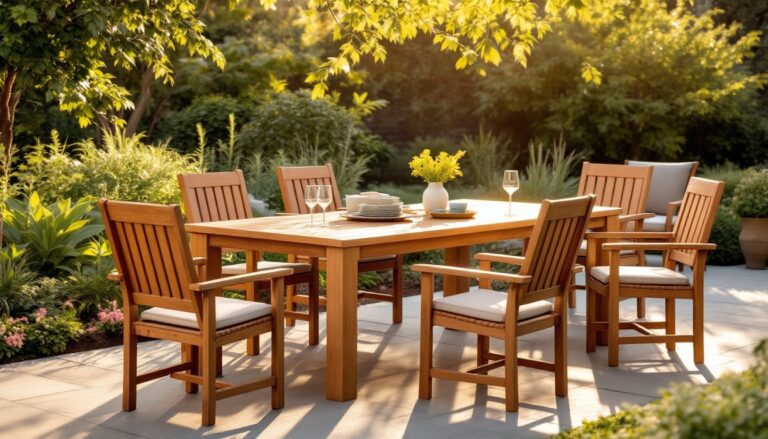
Teak and hardwood are premium choices for good reason. Teak naturally sheds water and resists rot without requiring protective finishes, though it does weather to a silvery gray unless you treat it annually. Other hardwoods like cedar and mahogany work well in drier climates but need more maintenance. Expect to pay significantly more upfront, but these pieces often last 15+ years with reasonable care.
Aluminum frames are lightweight, won’t rust, and require minimal maintenance, making them ideal for people who want low fuss. They conduct heat differently than wood, so they’re cooler to the touch in direct sun. The downside? Aluminum alone feels less substantial than wood, though quality pieces often combine aluminum frames with teak slats or cushions to add comfort and visual weight.
Wrought iron and steel offer classic aesthetics but demand regular maintenance. Powder-coated finishes help prevent rust, yet coastal or humid environments will still cause eventual corrosion without touch-ups. Skip these if you live near salt water or prefer hands-off furniture.
Resin wicker (synthetic wicker) mimics natural wicker’s appearance while resisting weather damage. It won’t fray, rot, or attract insects like natural rattan. Resin wicker pairs well with cushions and works across multiple design styles. Quality matters here, cheaper resin wicker becomes brittle in extreme heat.
Concrete and stone bring permanence and weight to outdoor spaces. They’re fireproof, won’t rot, and develop character over time. But, they’re heavy, difficult to rearrange, and require occasional sealing in freeze-thaw climates to prevent cracking.
Design Styles for Every Outdoor Living Vision
Your patio’s look should reflect your home’s personality and how you want to feel in the space. Style and substance aren’t mutually exclusive.
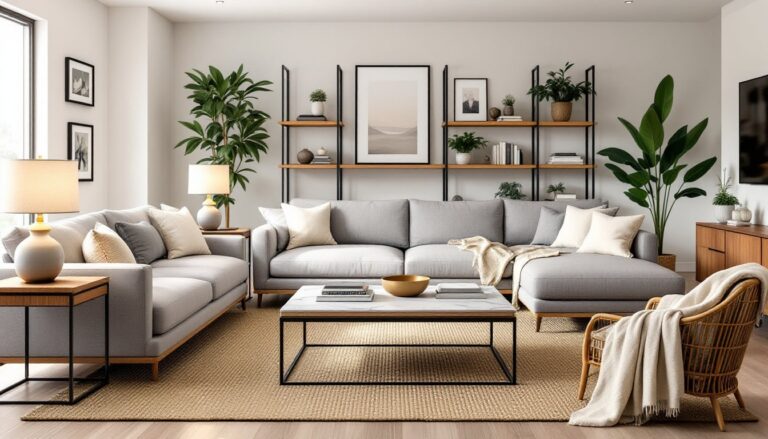
Modern and minimalist designs favor clean lines, neutral colors, and low-profile furniture. Aluminum and resin wicker work beautifully here. Think sleek lounge chairs, glass-topped tables, and neutral cushions. This aesthetic doesn’t hide wear, so material quality shows directly.
Transitional styles blend traditional and contemporary elements, think teak frames with clean-lined seats or metal legs paired with natural wood. This approach offers flexibility and tends to age gracefully, adapting as your tastes evolve.
Rustic and farmhouse aesthetics favor reclaimed wood, wrought iron, and warm colors. Pieces feel collected over time rather than purchased as a set. These styles actually benefit from showing patina and age, provided structural integrity remains sound.
Mediterranean and tropical designs embrace natural materials, warm earth tones, and cushioned comfort. Teak, woven elements, and vibrant textiles dominate. These spaces feel inviting and lived-in, making them forgiving of minor wear.
The key is choosing materials that support your chosen style. Expensive teak makes no sense if your design leans industrial (where steel and aluminum shine). Conversely, cheap resin wicker looks out of place in a traditional space. Experts reviewing top-rated furniture options consistently note that style-appropriate material choices yield cohesive, attractive spaces that people actually enjoy using.
Comfort and Functionality Considerations
Gorgeous furniture that’s uncomfortable is just yard decoration. Comfort directly impacts whether your patio becomes a genuine living space or an Instagram backdrop.
Seat depth and height matter. Standard chair seat heights run 16–18 inches, but if you’re tall or prefer lounging lower, you’ll notice the difference. Seat depth affects how your legs rest, too shallow and you slide, too deep and your feet dangle. Test pieces in person when possible, or check detailed measurements before ordering.
Cushion quality determines durability and comfort. High-density foam (4+ inches) maintains shape longer than thin padding. Outdoor-rated fabrics (solution-dyed acrylic or Sunbrella) resist fading and mildew better than cotton blends. Removable, washable covers ease maintenance significantly. Cheap cushions flatten within a season: good ones last 3–5 years or longer.
Table height and size affect usability. Dining tables typically sit 30 inches high: coffee tables hover around 16–18 inches. A table too small for your seating arrangement feels cramped: one too large dominates the space. Measure your patio and account for walking paths, furniture should invite movement, not create obstacle courses.
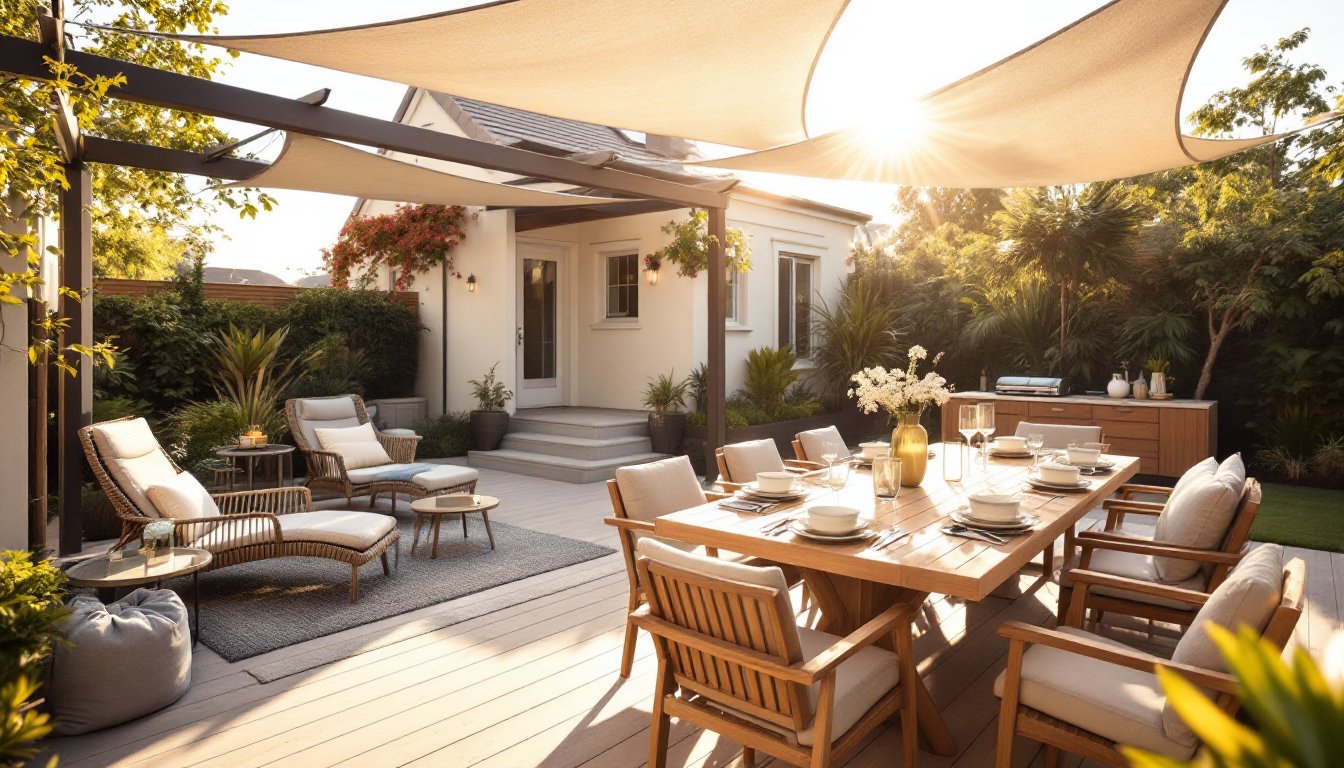
Shade and shelter options extend usability. Umbrellas, pergolas, or shade sails transform a space from blazing-hot to enjoyable during peak sun hours. Built-in shade solutions cost more upfront but eliminate the hassle of deploying and storing umbrellas seasonally.
Storage and space efficiency matter for smaller patios. Stackable chairs, nesting tables, and pieces that tuck under other furniture maximize flexibility without sacrificing comfort or style.
Maintenance Tips to Protect Your Investment
The best patio furniture requires reasonable upkeep. Knowing what you’re signing up for helps prevent disappointment.
Cushion care is non-negotiable. Remove cushions during heavy rain or storms, pooled water and mildew are enemies. Store them indoors during off-season in humid climates. Vacuum or brush them monthly, and spot-clean stains promptly with mild soap and water. Invest in cushion storage bags or a weatherproof bench box to extend their life.
Wood furniture benefits from annual treatment. Teak needs nothing for the first 1–2 years as it naturally weathers. After that, an annual teak sealer keeps the warm honey color (skipping this treatment results in that silvery patina, which is fine aesthetically but less protected). Other hardwoods need sealant every 1–2 years, applied after light sanding and cleaning.
Metal frames require minimal care. Wipe aluminum occasionally to remove dust: it won’t rust on its own. Wrought iron and steel pieces should be inspected for paint chipping, touch up any bare spots promptly to prevent rust spread. Store metal furniture indoors during winter in harsh climates if possible.
Resin wicker stays cleanest with gentle washing. Hose it down quarterly or hand-wash with mild soap. Don’t use pressure washers (the force can damage fibers). Check for loose strands or splits and trim carefully, resin wicker doesn’t fray, but strands can unravel if snagged.
Seasonal storage extends life dramatically. In cold climates, bringing cushions and removable pieces inside during winter prevents freeze damage and extends cushion lifespan by years. Even in mild regions, covering furniture during the off-season protects it from dust and UV exposure.
Prevention beats repair. A fitted furniture cover costs $50–150 and prevents significant damage from sun, rain, and debris. This simple step often pays for itself in extended furniture life.
Budget-Friendly vs. Premium Options
Quality patio furniture spans a wide price range, and knowing where to spend and where to save helps stretch your budget effectively.
Budget-friendly pieces ($500–1500 for a seating set) often use resin wicker frames with basic cushions, or lightweight aluminum with thin padding. These work fine for light use or rental properties, but expect cushion replacement within 2–3 years and possible frame degradation sooner. They’re not bad choices, they’re just honest budget options. Suitable for renters or those still figuring out patio design.
Mid-range furniture ($1500–4000) usually offers solid construction, better cushion density, and durable fabrics. Teak or quality aluminum frames paired with high-density foam cushions live in this range. Most homeowners find this sweet spot balances cost and longevity, delivering 5–8 years of reliable performance.
Premium pieces ($4000+) feature top-grade hardwoods, hand-finished details, and performance fabrics rated for extreme weather. These investments last 10–15+ years and become better-looking as they age. Worth it if you entertain frequently, live in challenging climates, or plan to stay in your home long-term. Garden design professionals often source from this tier for client projects where durability and aesthetics are non-negotiable.
Smart budget strategies: Invest more in pieces you use daily (primary seating, main dining table). Splurge on cushions and covers, they dramatically impact comfort and are easier to replace than frames. Buy off-season (fall and winter) when retailers discount outdoor furniture. Consider mixing price tiers: premium seating with budget-friendly side tables, or vice versa. This approach lets you prioritize spending where it matters most.
Conclusion
Top-rated patio furniture isn’t just about price tags or brand names, it’s about honest materials, realistic maintenance expectations, and selecting pieces that match your climate, style, and lifestyle. Take time to understand what you’re buying, test comfort in person when possible, and don’t skip the maintenance steps that keep furniture looking good for years. Your patio deserves furniture you’ll actually enjoy using, season after season.