Green Living Room Furniture Sets: Create a Sustainable Space That Looks Amazing in 2026
Building a living room around green furniture isn’t about sacrifice, it’s about making smarter choices that feel good and look great. Sustainable furniture sets have moved far beyond beige minimalism: today’s eco-friendly options deliver real style, durability, and peace of mind. Whether you’re refreshing a dated room or building from scratch, choosing green living room furniture sets means investing in pieces made with intention: materials sourced responsibly, crafted to last, and designed without greenwashing. This guide walks you through what to look for, which materials actually deliver, and how to pull together a cohesive, beautiful room without very costly or your values.
Key Takeaways
- Green living room furniture sets prioritize sustainable sourcing, non-toxic finishes, and durability over fast-furniture trends, ultimately producing less waste and keeping harmful chemicals out of your home.
- FSC-certified hardwoods, reclaimed wood, organic cotton, linen, and lab-grown leather alternatives like mylo are the most reliable eco-friendly materials to look for in furniture frames and upholstery.
- Start with a quality neutral-base sofa and layer in natural textures through wood side tables, jute rugs, and linen accessories to create a calm, cohesive living room without visual clutter.
- Buying secondhand furniture from estate sales and Craigslist, combined with strategic investments in high-use pieces, significantly reduces the upfront cost of sustainable furniture sets.
- Verify environmental claims by seeking third-party certifications like GOTS, OEKO-TEX, and CARB Phase 2 labels to avoid greenwashing and confirm genuine sustainability.
What Makes Furniture ‘Green’ and Why It Matters
A piece of furniture earns the ‘green’ label when it ticks multiple boxes: sustainable sourcing, non-toxic finishes, fair labor practices, and durability that outlasts fast-furniture trends. The key difference from ordinary furniture is intentionality. A green sofa might use FSC-certified (Forest Stewardship Council) wood frames, springs filled with recycled materials, and upholstery dyed with low-impact processes, not just one of those things, but several layered together.
Why does this matter? Fast furniture, the cheap stuff designed to look good for two years, fills landfills. Sustainable pieces are built to last a decade or more, which means fewer replacements and less waste overall. Beyond landfills, conventional furniture manufacturing often involves heavy chemical treatments, volatile organic compounds (VOCs) in stains and adhesives, and labor practices that don’t prioritize worker safety. Green furniture pushes back against that model.
You’ll also breathe easier, literally. Low-VOC finishes and natural fabrics mean fewer off-gassing chemicals circulating in your living room, which matters if anyone in your household has chemical sensitivities or respiratory issues. It’s not just better for the planet: it’s better for the people living in the space.
Sustainable Materials to Look For in Furniture Sets
Eco-Friendly Wood and Reclaimed Options
FSC-certified hardwoods are the gold standard for solid wood frames. FSC certification means the timber came from responsibly managed forests with replanting programs and worker protections built in. Look for domestic hardwoods like oak, cherry, or walnut: they require less shipping and support local forestry.
Reclaimed wood offers another route: antique beams, salvaged floorboards, and old barn wood are milled into furniture that carries actual history and zero deforestation impact. A reclaimed wood coffee table or side table pairs beautifully with new upholstered pieces and becomes a conversation starter. Plywood and engineered-wood frames are fine if they carry low-formaldehyde certifications (look for the CARB (California Air Resources Board) Phase 2 or FloorScore labels), but solid wood is stronger for load-bearing pieces like sofa frames.
Natural Fabrics and Plant-Based Upholstery
Organic cotton, grown without synthetic pesticides or fertilizers, is breathable and soft but less durable in heavy-traffic seating. Linen, made from flax fibers, is tougher and develops a lived-in texture over time, perfect if you want your sofa to show character. Hemp is incredibly strong and naturally antimicrobial, though less common in mainstream furniture.
Wool, ideally from certified sources, provides fire-resistant properties without added chemical treatments. It’s naturally stain-resistant and ages beautifully. Mylo and other lab-grown leather alternatives (made from mushroom mycelium or pineapple fiber) are emerging as real contenders: they’re durable, washable, and don’t require animal agriculture or chrome tanning. Platforms like Homedit showcase thoughtful furniture design that balances aesthetics with material integrity, giving you visual inspiration for how green pieces fit into real homes.
Stay alert to greenwashing: “eco-friendly” fabrics might still be synthetic blends treated with stain guards like PFOA (forever chemicals). Ask manufacturers directly about fabric composition and finishes. Certification labels like GOTS (Global Organic Textile Standard) and OEKO-TEX provide third-party validation.
How to Style Green Furniture in Your Living Room
Sustainable furniture has a specific aesthetic, natural tones, honest construction, and minimal fussy detail, but it’s versatile. The best approach is anchoring your room with a quality sofa and building around its vibe.
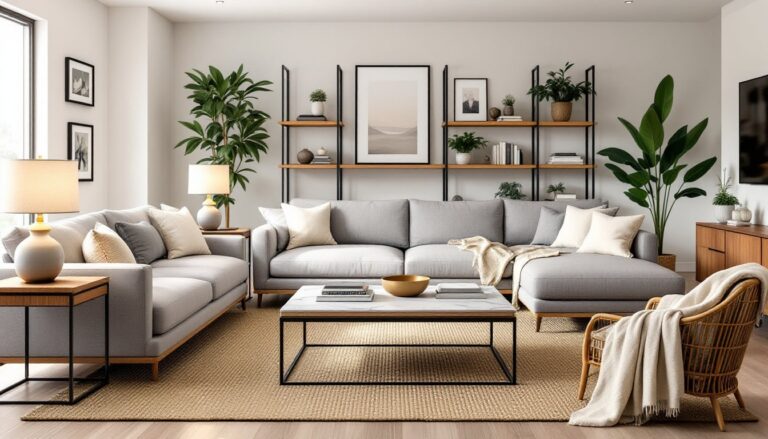
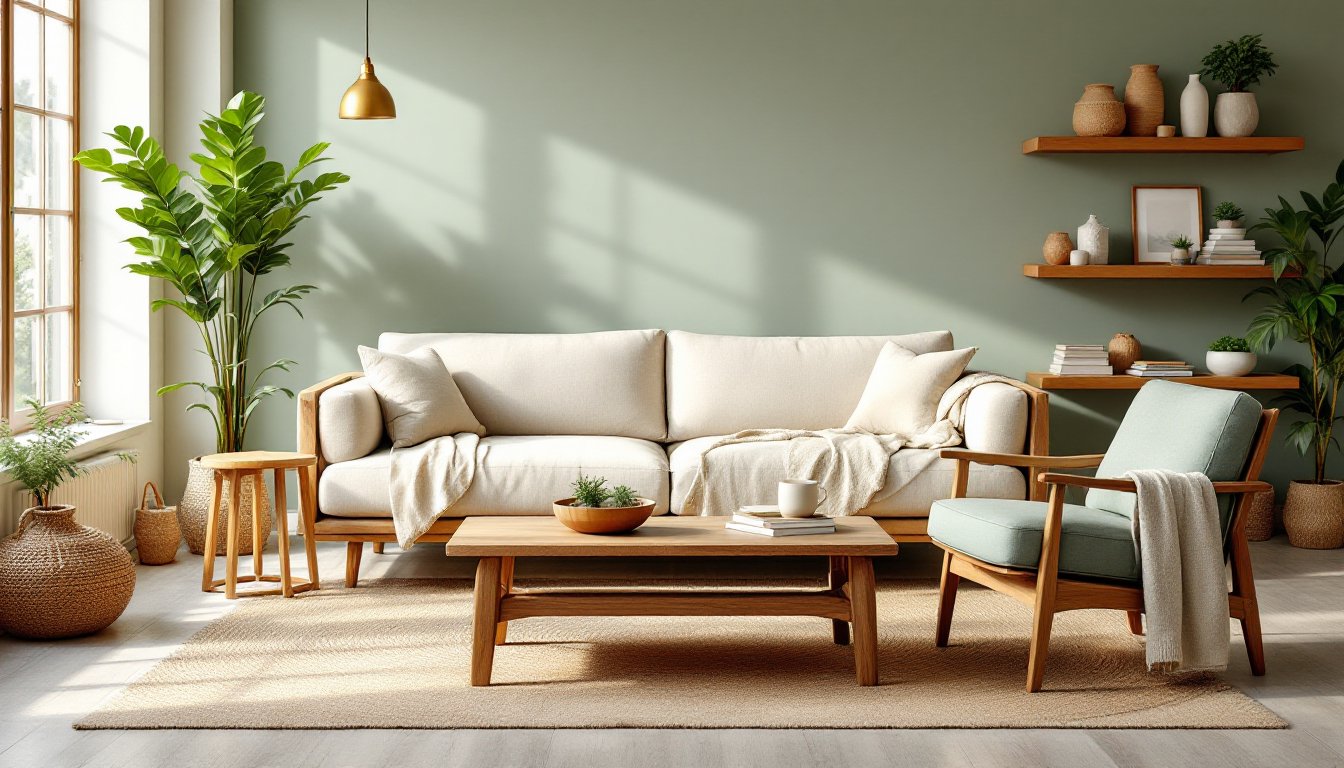
Start with a neutral base sofa in linen, organic cotton, or wool. Greens, soft grays, and warm creams are practical and timeless: they hide dust and work with multiple color schemes. Pair it with a reclaimed wood or solid wood side table and a low-profile coffee table (look for sustainably sourced versions with minimal finish work). Layering in natural textures, jute rugs, linen throw pillows, wooden shelving, creates depth without visual chaos.
Accent pieces matter. A small armchair in a contrasting natural fabric (warm tan wool, soft sage linen, or cream hemp) adds functionality and visual interest. Look for manufacturers that offer modular or sectional options: they’re often easier to arrange in different room layouts and easier to repair if one section ages faster than another.
Lighting affects how these materials show up. Warm, dimmable bulbs let the wood grain and fabric texture shine without harsh glare. Avoid overloading the room: green furniture reads as calm and spacious, not cluttered. Dwell’s design community regularly features living rooms built on sustainable principles, browse their galleries to see how professionals compose restraint and warmth together.
Budget-Friendly Tips for Sustainable Furniture Shopping
Sustainable furniture costs more upfront, but smart shopping shrinks the gap. Start with one statement piece, a quality sofa from a certified-sustainable brand, and build outward with secondhand finds, budget-conscious retailers, and DIY solutions.
Buy used, buy quality. Craigslist, Facebook Marketplace, and estate sales are goldmines for solid wood pieces and vintage upholstered furniture. A mid-century sofa or sturdy armchair from the 1970s outlasts most new furniture and costs a fraction of the price. Have it reupholstered in an organic fabric if needed: the reupholstery cost often stays lower than buying new, and you extend the piece’s life by another 20 years.
Invest strategically. Big items you use constantly (sofas, primary armchairs) are worth the sustainable splurge. Side tables, ottomans, and accent pieces can come from budget retailers, just choose solid construction over veneer, and inspect joints and legs for wobble.
Choose modular systems. Brands offering mix-and-match components let you spread costs over time. Buy the sofa base and one cushion set this year, add an ottoman next year, and a second sectional piece the following season.
Look for carbon-neutral or rental programs. Some manufacturers now offset shipping emissions or offer furniture-as-service models where you pay a monthly fee instead of buying outright. It’s a newer market, so options vary, but it’s worth checking if a favorite brand offers it. Homify’s interior design resource includes inspiration from designers who’ve built rooms on tight budgets using mixed-age pieces and smart sourcing, great for ideas on stretching your dollar.
Visit local makers. Independent furniture makers and small studios often price below big retailers while offering better materials and customization. You’ll support local economies, reduce shipping emissions, and get pieces designed to your specifications.
Conclusion
Building a green living room isn’t a matter of choosing between style and sustainability, it’s recognizing that durable, thoughtfully made furniture is style. Focus on certified materials, buy what you’ll actually use for years, and mix new pieces with reclaimed and secondhand finds. Your room becomes a reflection of your values, and that’s a space worth spending time in.