Nautical Patio Furniture: Create A Coastal Oasis In Your Backyard
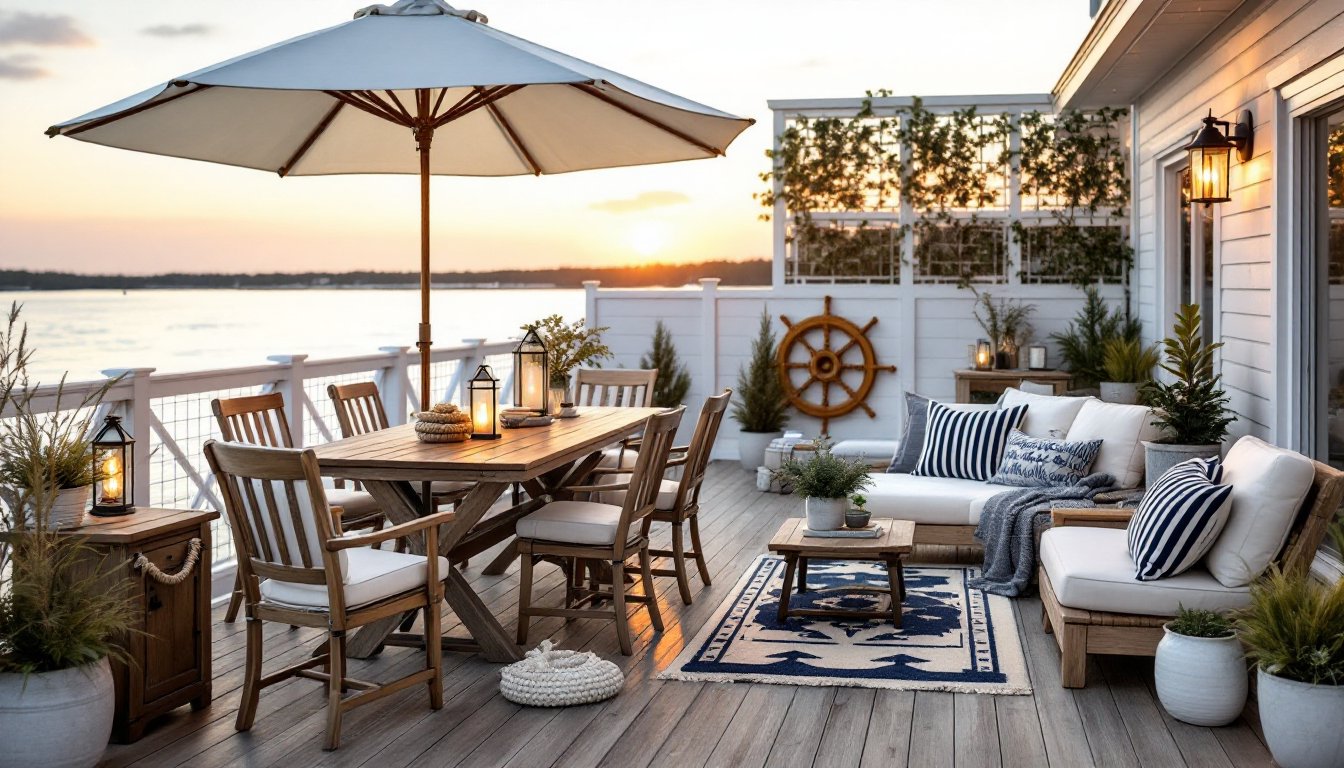
Nothing says relaxation quite like bringing the coastal charm of the beach into your own backyard. Nautical patio furniture transforms an ordinary outdoor space into a seaside retreat, complete with the crisp whites, ocean blues, and weathered textures that define that breezy, maritime aesthetic. Whether you’re landlocked or just steps from the shore, establishing a nautical theme in your patio gives your home a distinctive character and creates the perfect gathering spot for family and friends. The beauty of this style lies in its timeless appeal, it never feels dated, and it works with both modern and traditional homes. Let’s walk through how to build a cohesive nautical outdoor space that’s both functional and visually stunning.
Key Takeaways
- Nautical patio furniture emphasizes durable maritime craftsmanship with rope details, striped patterns, and weathered finishes that withstand coastal conditions while maintaining timeless elegance.
- A classic nautical color palette of navy blue (30–40%), white (50–60%), and cream or red accents (10–20%) creates the foundation for an authentic seaside aesthetic.
- Invest in teak wood, marine-grade stainless steel, and performance fabrics like Sunbrella for nautical outdoor furniture that resists moisture, salt air, and UV exposure.
- Essential pieces—dining tables, captain’s chairs, Adirondack loungers, and shade structures—should feature clean lines and rope accents that reference traditional maritime design.
- Layer rope-wrapped planters, subtle nautical accents like ship wheels or lighthouse figurines, and outdoor textiles in striped patterns to complete a cohesive, polished patio retreat.
- String lights, brass sconces, and rope-handled lanterns add evening ambiance while reinforcing the maritime theme of your nautical patio design.
What Defines Nautical Patio Furniture
Nautical patio furniture is rooted in maritime heritage and seaside living. At its core, this style borrows design language from ships, lighthouses, and coastal communities, think rope details, striped patterns, weathered finishes, and functional elegance. Unlike trendy beach-style decor that leans heavily on bright colors and casual bohemian elements, true nautical furniture emphasizes durability and timeless form.
The key distinction is intentionality: nautical pieces are often built to withstand harsh coastal conditions while maintaining a refined, purposeful look. Rope railings, teak wood benches, brass hardware, and canvas cushions aren’t just decorative touches, they’re nods to actual maritime craftsmanship. This heritage makes nautical furniture feel substantial and authentic rather than costume-like. When selecting pieces for your patio, look for items with clean lines, sturdy construction, and details that reference traditional seagoing vessels or dock environments.
Design Elements That Capture Coastal Vibes
Color Palettes For A Beach-Inspired Look
A successful nautical patio starts with the right color foundation. The classic palette centers on navy blue, white, and cream, colors that evoke both sky and sea while feeling timeless. Navy serves as the grounding anchor: white provides contrast and brightness: cream softens the scheme with warmth. Red accents are optional but historically accurate, referencing buoys and maritime signaling.
When implementing this palette, use white as your primary color (typically 50–60% of visible surfaces), navy as a secondary anchor (30–40%), and cream or red as accents (10–20%). Avoid muddy or muted versions of these colors, nautical style demands clarity and crispness. Consider how natural light hits your patio at different times of day: strong sunlight can wash out softer shades, so err toward richer blues and true whites rather than pastels.
Materials And Finishes That Withstand The Elements
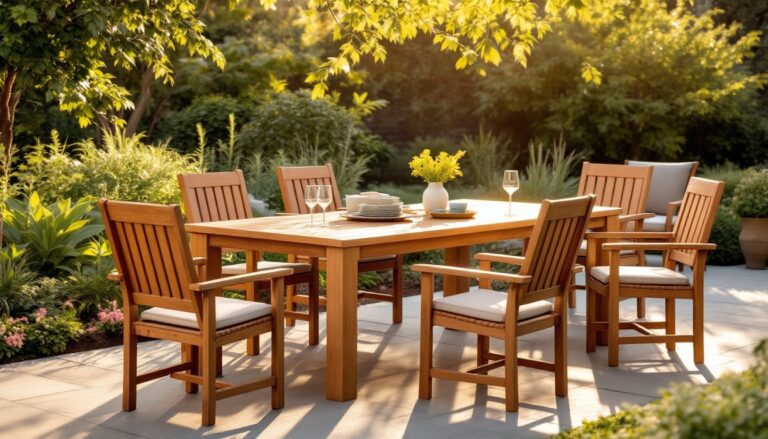
Nautical furniture must handle moisture, salt air (if coastal), and UV exposure without deteriorating. Teak wood is the gold standard, it’s naturally resistant to rot and weathers to a beautiful silver-gray patina over time. If teak feels too expensive, look for treated hardwoods, cedar, or composite lumber that mimics wood appearance while resisting moisture damage.
For metal components, marine-grade stainless steel or powder-coated aluminum prevent rust and corrosion far better than standard steel. Brass and bronze hardware add authentic maritime character but require occasional maintenance to prevent green patina buildup (though many homeowners appreciate this aged look). Cushions and textiles should be solution-dyed acrylic or performance fabrics, these resist fading and moisture better than natural cotton. Canvas or Sunbrella-brand fabrics are reliable choices for cushions, seat pads, and shade elements.
Essential Furniture Pieces For Your Nautical Patio
Start with the foundation: seating and a dining surface. A teak or composite dining table paired with bench seating or captain’s chairs sets an immediate nautical tone. Look for pieces with rope detailing, slatted backs (reminiscent of ship railings), or classic scroll arms that reference traditional maritime design. Bench seating with storage underneath adds both functionality and that dock-house charm.
Next, add lounge seating, a teak sofa, Adirondack-style chairs, or a low-profile daybed with nautical cushions creates a relaxation zone. Adirondack designs work particularly well because their clean lines and weather-resistant wood (typically cedar or composite) fit the nautical brief naturally. Pair these with a coffee table in weathered teak or whitewashed wood to tie the vignette together.
Accent furniture like a bar cart, side tables, or plant stands reinforces the theme without overwhelming the space. Materials matter here: a cart with rope handles and a teak shelf, or side tables with turned legs and rope accents add purposeful detail. Don’t overcrowd, nautical style thrives on clean lines and negative space, much like a ship’s deck layout.
Consider shade structures such as a nautical-inspired pergola, canvas awning, or umbrella in striped or solid navy. Shade is both functional and a major design anchor. A rope railing or nautical-themed privacy screen (with horizontal slats, ship-lap styling, or cutout anchors) adds architectural interest and defines your patio boundary. These structural elements needn’t be DIY projects, many suppliers offer pre-built options, but they deserve consideration in your overall plan.
Styling Tips And Decorative Accents
Once furniture is in place, layering with nautical accessories elevates the entire space. Rope elements are your best friend: coiled rope centerpieces, rope-wrapped planters, or woven rope storage baskets add texture and reinforce the maritime theme. Real rope (manila or sisal) creates authenticity: synthetic versions resist weather better. Use rope as trim on cushions, woven into side-table bases, or as edging on shade structures.
Introduce water-inspired decor thoughtfully. A decorative ship wheel, anchor sculpture, or lighthouse figurine works as a focal point, but restraint is key, one statement piece per zone prevents your patio from looking like a novelty shop. Hang a rope-handled lantern with nautical-themed holders for evening ambiance, or display a few vintage nautical prints or maritime maps on an outdoor wall. These layers tell a cohesive story without overdoing it.
Plants and greenery matter enormously in a nautical setting. According to Southern Living, coastal gardens thrive with grasses, sea oats, and salt-tolerant perennials that echo natural seaside landscapes. Use white or blue ceramic planters, galvanized metal buckets, or rope-handled baskets to house plantings. Climbing vines trained along a rope trellis add vertical interest and soften hard lines.
Textiles complete the atmosphere. Layer outdoor pillows in navy, cream, and striped patterns across seating. Use a nautical-themed outdoor rug (runner or area rug in maritime colors) to anchor the seating zone and define the patio layout. Canvas or linen throws draped over chairs add warmth and texture. Ensure all fabrics are outdoor-rated to resist mildew and fading.
Lighting transforms a nautical patio after sunset. String lights (especially café-style bistro lights or globe Edison bulbs) create a warm, inviting glow that mirrors dock or shipyard lighting. Wall-mounted brass sconces or copper fixtures add maritime authenticity. For ambiance, lanterns with LED candles scattered throughout the space evoke a seaside evening without fire risk or upkeep concerns. Resources like Better Homes & Gardens offer seasonal styling ideas that work well with nautical themes year-round.
Conclusion
Building a nautical patio isn’t about recreating a beach resort, it’s about capturing the essence of coastal living through thoughtful furniture choices, a disciplined color palette, and purposeful accents. Quality materials that age gracefully, clean lines that echo maritime heritage, and a cohesive design story transform an ordinary outdoor space into a retreat that feels both timeless and personal. Start with core seating and dining pieces in weather-resistant wood, layer in rope and textile details, and let your patio evolve with plants, lighting, and subtle nautical touches. The result is a backyard that invites relaxation, withstands the elements, and looks effortlessly polished year after year.