Iron Patio Furniture: A Complete Guide to Style, Durability, and Maintenance for Your Outdoor Space
Iron patio furniture has held its ground as a homeowner favorite for decades, and for good reason. It’s durable, classic, and surprisingly versatile across design styles, from Victorian gardens to modern minimalist patios. Unlike cheaper aluminum alternatives or wicker that demands constant babying, properly maintained iron furniture can outlast you. But that reputation for longevity comes with real conditions: iron needs protection from rust, the weather, and neglect. This guide walks you through choosing, protecting, and caring for iron patio furniture so your investment stays solid and beautiful for years to come.
Key Takeaways
- Iron patio furniture can outlast aluminum and wicker options by decades, making it a cost-effective long-term investment when properly maintained.
- Wrought iron is lighter, more elegant, and corrosion-resistant (20-30% costlier), while cast iron is heavier and better for statement pieces but more prone to rust without proper protection.
- Rust prevention requires a factory finish inspection at purchase, and in humid climates, apply a two-part epoxy primer followed by quality outdoor paint or sealant.
- Monthly cleaning with mild soapy water and prompt treatment of rust spots using steel wool and rust converter prevents damage and extends the life of iron patio furniture.
- Iron patio furniture adapts to any design style—from Victorian gardens to modern minimalist patios—and pairs beautifully with stone, wood, greenery, and cushions for added warmth and comfort.
Why Iron Patio Furniture Remains a Top Choice for Homeowners
Iron’s staying power comes from three practical strengths. First, it’s genuinely strong, iron furniture handles weight and weather stress better than lighter materials. A wrought iron dining set won’t wobble or feel tippy under use, and the joints don’t loosen up after a season or two. Second, iron takes detail well. Ornamental scrollwork, leaf patterns, and intricate designs are easier to cast or forge in iron than in aluminum, so you get visual depth that cheaper alternatives can’t match.
Third, iron ages with character. While rust is a real enemy, a little patina tells a story: well-maintained iron develops a distinguished look that newer pieces can’t fake. The material also complements nearly any outdoor aesthetic, it works in rustic farmhouse yards, formal gardens, contemporary patios, and cottage settings alike.
The durability question matters most to homeowners doing the math. A solid iron piece, properly sealed and maintained, will serve three or four generations. Aluminum furniture typically needs replacement every 10-15 years. Over a 30-year span, iron wins on cost-per-year even when you factor in maintenance time and protective coatings.
Types of Iron Patio Furniture and How to Choose the Right Style
Iron patio furniture comes in two main material categories, each with distinct properties and price points. Understanding the difference helps you pick the right piece for your space and budget.
Wrought Iron Versus Cast Iron: Key Differences
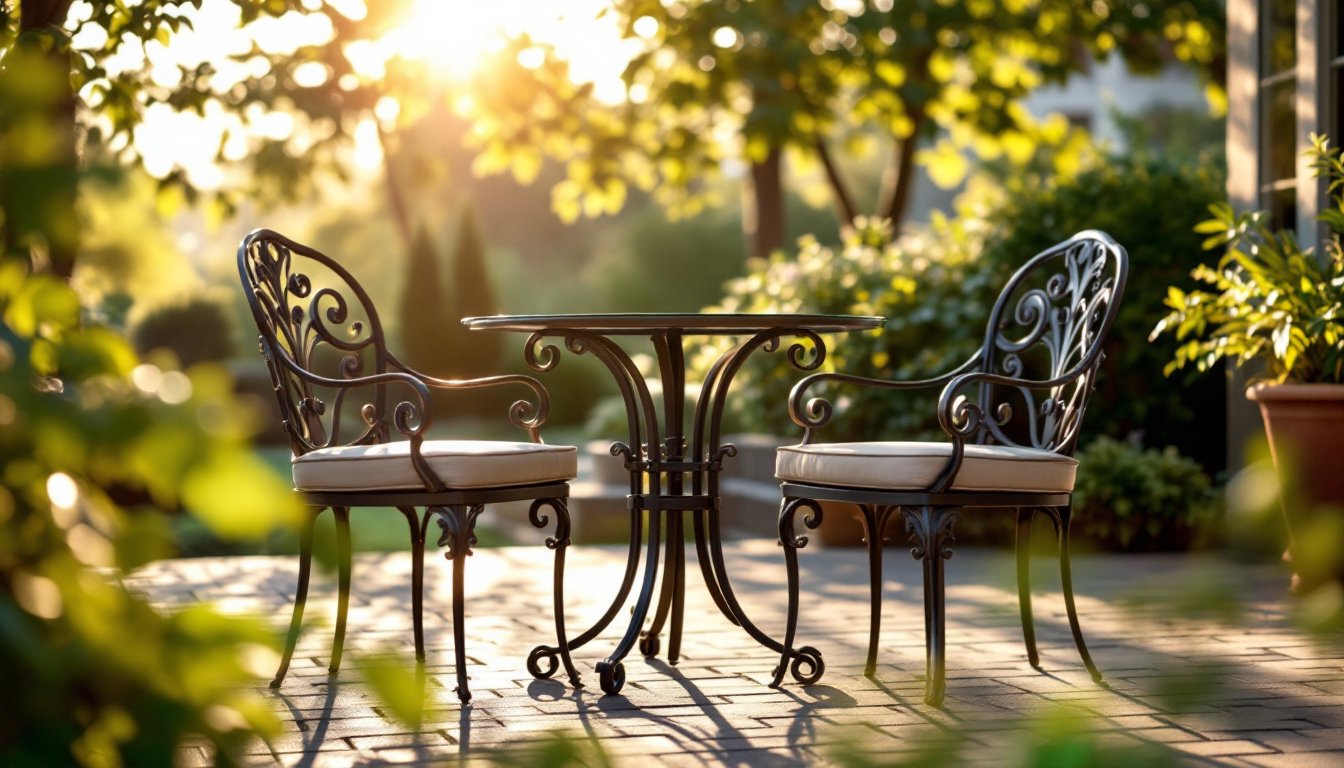
Wrought iron is hammered or bent into shape while hot, it’s tougher, lighter, and more flexible than cast iron. Wrought pieces often feel more elegant and refined. They resist impact better (less likely to crack if knocked), and the material itself is more corrosion-resistant due to its lower carbon content. Wrought iron furniture typically costs 20-30% more than comparable cast pieces but often justifies it with longevity and a sleeker look. You’ll see wrought iron in scrollwork benches, bistro chairs, and ornamental dining sets.
Cast iron is melted and poured into molds, making it heavier and more rigid. It’s stronger in compression (better for weight-bearing) but brittle under impact, a direct blow can cause cracking. Cast iron has higher carbon content, which makes it more prone to rust without proper coating, though the heft adds visual substance. Cast iron excels in statement pieces: sculptural planters, substantial benches, and decorative accents. It’s the budget-friendly choice for homeowners willing to invest in rust protection.
For first-time buyers, wrought iron benches or bistro chairs are the safest bet, they’re elegant, durable, and forgiving. Cast iron is better for statement pieces or stationary sculptural furniture where impact resistance matters less. Consider your climate too: humid, coastal, or rainy regions demand extra protection for either type, but cast iron needs it more.
Protecting Your Investment: Rust Prevention and Weather-Resistant Strategies
Rust is iron’s only real enemy, and prevention beats cure every time. New iron furniture should arrive with a factory finish, usually a powder coat, paint, or bare metal. Before it touches your patio, inspect it. If you spot bare spots, light surface rust, or any finish gaps, sand those areas lightly with 220-grit sandpaper, wipe away dust with a tack cloth, and apply a rust-inhibiting primer.
For long-term protection, your options depend on climate and use. In dry climates, a quality exterior enamel or polyurethane topcoat renewed every 2-3 years works fine. In humid or coastal areas, apply a two-part epoxy primer followed by an outdoor paint or sealant. The primer bonds to the iron and creates a moisture barrier: the topcoat protects the primer.
Coatings matter more than you’d think. A can of rust-preventive spray paint (like those made for metal) costs $8-15 and covers a small section: a gallon of proper exterior enamel runs $25-40 but covers 400+ square feet. For a full dining set, the gallon is economical and gives better coverage.
Between seasons, store furniture under cover if possible, a patio umbrella or shade cloth reduces UV degradation and rain exposure. If outdoor storage is your only option, use a breathable furniture cover (plastic traps moisture and accelerates rust: fabric allows air circulation). Wipe down pieces after rain or sprinkler splash to remove standing water, especially in crevices and joints where water pools.
Cleaning and Regular Maintenance for Long-Lasting Appeal
Maintenance doesn’t require much time, just consistency. Monthly cleaning during the outdoor season keeps dirt and grime from trapping moisture against the finish.
Start with a soft brush or cloth and mild soapy water. Scrub ornamental areas and scrollwork where debris accumulates: use an old toothbrush for tight spots. Rinse thoroughly and dry with a clean cloth, don’t let water sit. For stubborn grime, a 50/50 mix of white vinegar and water works without stripping the finish.
If you spot small rust spots (orange-brown specks), address them immediately. Light surface rust can be removed with 0000 steel wool or a soft-bristle wire brush, rubbed gently with the grain if applicable. Wipe away the rust debris, apply a touch of rust converter (which chemically stops rust progression), and repaint or seal the area once dry.
Once or twice a year, spring and fall are ideal, apply a light coat of furniture oil or paste wax designed for metal. This refreshes the finish, adds shine, and provides a moisture barrier. Products like paste wax for outdoor metal or linseed oil-based finishes work well. Buff the surface with a soft cloth for a polished look.
If weather or neglect causes deeper rust that pits the surface, you’ll need to sand it back to bare metal, prime, and repaint, a bigger job, but doable for a homeowner with a power sander or sandpaper blocks, primer, and paint. This typically takes an afternoon per piece and costs $20-50 in materials, depending on size.
Design Ideas: Integrating Iron Furniture Into Your Patio Aesthetic
Iron’s versatility means it fits nearly anywhere. A wrought iron bistro set with a glass top brings French café vibes to a small balcony or intimate seating nook. For larger patios, an ornate cast iron bench paired with cushions creates a focal point while the heavy visual weight anchors the space. Iron works equally well anchoring a cottage garden or standing minimalist and sculptural in a contemporary setting.
Color and finish choices matter. Black is traditional and timeless, it photographs well and pairs with almost everything. Bronze or aged finishes add warmth and vintage charm. For modern or transitional spaces, consider sleek matte black or even graphite finishes. Colorful painted iron (deep green, navy, or terracotta) suits specific themes but may feel dated faster, so test it first with cushions or decor before committing.
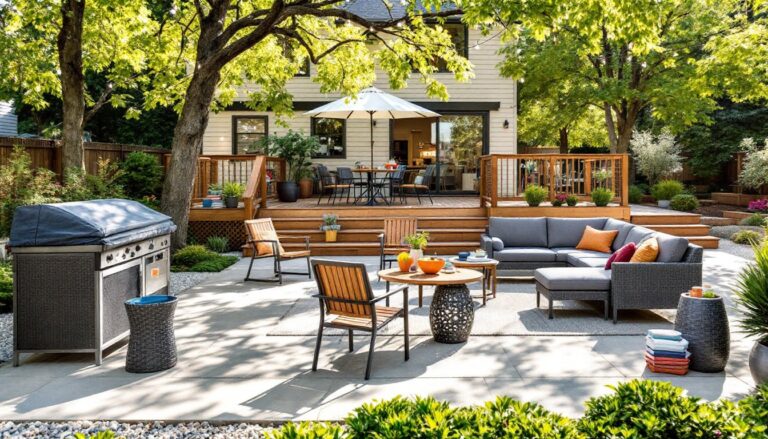
Consider pairing iron with complementary materials. An iron dining set on a stone or brick patio feels grounded. Wrought iron alongside natural wood decking balances elegance and warmth. Iron planters with lush greenery soften ornamental pieces and add life to seating areas. Cushions and outdoor rugs also matter, they define comfort and break up the industrial feeling if that’s a concern.
For inspiration and layout ideas, browse home decorating and interior design resources to see iron furniture in real patios, or explore Southern Living’s outdoor living galleries for regional design approaches. You can also view specific pieces like an iron conservatory chair to understand how quality iron integrates into a finished space.
Conclusion
Iron patio furniture rewards patience and care. Choose wrought or cast iron based on your design goals and budget, invest in proper coatings upfront, and commit to simple seasonal maintenance. Wipe it down, keep it dry, address rust spots early, and refresh the finish every couple of years. Done right, your iron pieces become part of your home’s character, solid, reliable, and beautiful for decades. That’s worth the small effort.