Wine Cellar Furniture Ideas: Create the Perfect Storage and Display Space in 2026
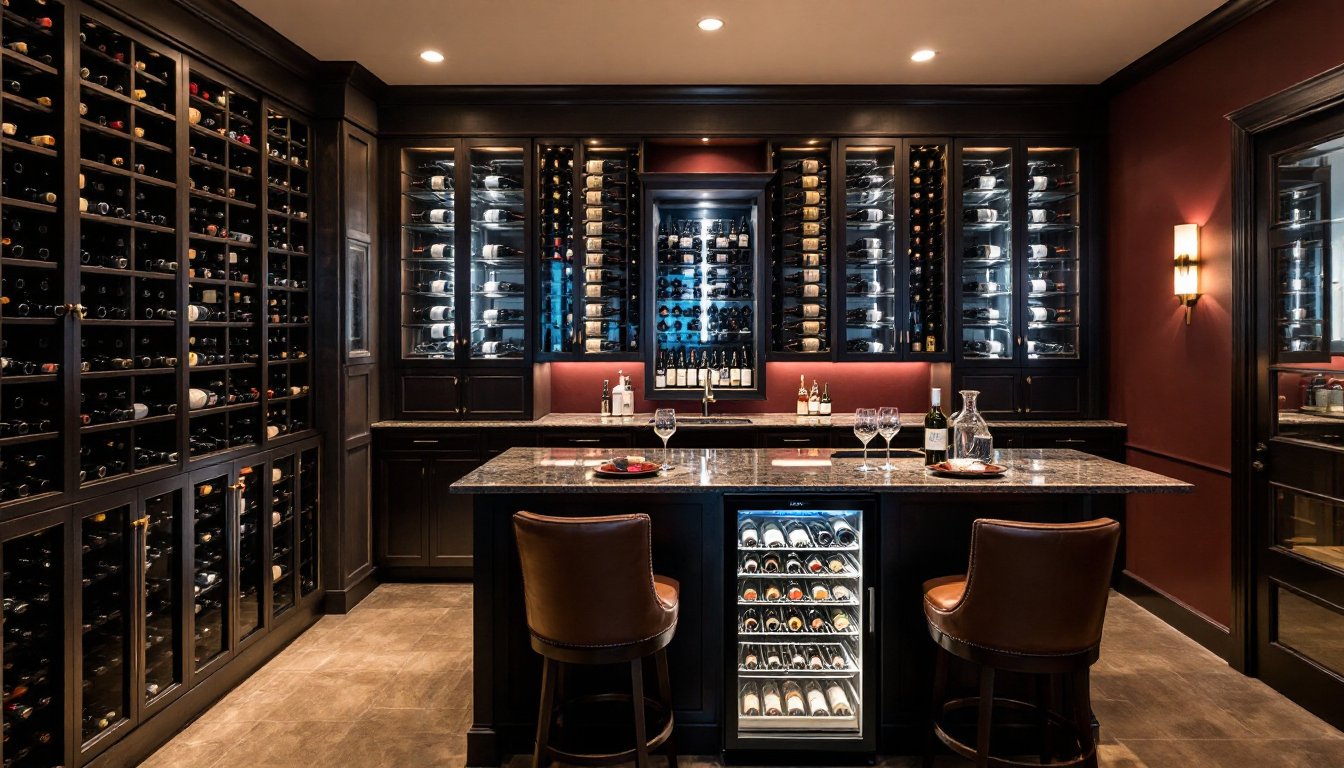
A wine cellar isn’t just about temperature control and humidity levels, it’s also about creating a space where you actually want to spend time enjoying your collection. Whether you’re converting a basement corner into a modest tasting nook or designing a dedicated wine room, the right furniture makes all the difference. Wine cellar furniture serves dual purposes: it stores and protects your bottles while creating an inviting environment that showcases your passion. This guide walks through practical furniture choices, layout considerations, and design decisions that work for both beginners and seasoned collectors.
Key Takeaways
- Wine cellar furniture must prioritize durability and climate compatibility, using materials like solid wood, stainless steel, and tempered glass that resist warping from humidity changes.
- Choose wine racks based on your space and collection size: wall-mounted racks save floor space for modest collections, while modular systems allow expansion for growing collectors.
- A functional tasting counter (36 to 48 inches of space) with stone or sealed wood surfaces enhances your wine room’s usability and creates an inviting environment for enjoying your collection.
- Position wine racks 12 to 18 inches away from climate control units and air vents to maintain consistent bottle temperature and prevent uneven cooling.
- Proper furniture placement and material selection prevent moisture damage, rust, and mold growth—ensure wood is sealed on all surfaces and use coated or stainless steel components in humid conditions.
- Design your wine cellar with warm-white LED lighting, cohesive finishes, and open display cabinetry that showcases your collection while maintaining proper scale and proportion for the space.
Understanding Wine Cellar Furniture Essentials
Wine cellar furniture differs from typical home furniture because it must account for specific environmental demands. Humidity fluctuations, slight temperature variations, and the need for vibration-free storage mean your choices matter more than aesthetics alone.
The core pieces you’ll need include wine racks or storage systems, a display cabinet or shelving unit, and a seating area or tasting counter. Each serves a function beyond decoration. A quality wine rack holds bottles at the correct angle, typically 45 degrees for cork bottles, to keep corks moist and prevent oxidation. Display furniture should have UV-protective glass or be positioned away from direct light, since ultraviolet rays degrade wine over time.
When selecting materials, prioritize durability and stability. Solid wood, stainless steel, and tempered glass are industry standards because they resist warping from humidity changes. Avoid particle board or veneered surfaces in high-moisture environments: they absorb moisture and deteriorate quickly. If you’re building custom pieces, acclimate wood to your cellar’s conditions for at least a week before installation to prevent swelling or shrinking after assembly.
Dont overlook weight distribution. A fully loaded wine rack holding 50 bottles of Bordeaux weighs roughly 200 pounds. Ensure walls and flooring can support concentrated loads, and use appropriate wall anchors or bolts if attaching racks to drywall.
Choosing the Right Wine Racks and Storage Solutions
Wine racks come in several styles, each with trade-offs between capacity, accessibility, and visual appeal.
Types of Wine Racks to Consider
Wall-mounted racks save floor space and create a gallery-like display. They work best in well-insulated walls with proper structural support, check for studs or install horizontal blocking before mounting. A wall-mounted system holds roughly 12 to 40 bottles depending on depth and configuration. The advantage is easy access and visual impact: the drawback is limited capacity for larger collections.
Freestanding wine racks or racking systems offer flexibility since you can relocate them if your space evolves. Wooden ladder-style racks or metal cage systems typically hold 20 to 100+ bottles. Metal racking systems, like those using stainless steel or powder-coated steel frames, resist humidity better than wood alone. If building custom wooden racks, use kiln-dried hardwood like oak or mahogany, and seal all surfaces with food-grade finish to prevent moisture absorption.
Modular wine storage units let you expand capacity over time. These typically combine wood or metal frameworks with individual bottle slots or shelf compartments. They’re ideal if you plan to grow your collection. Metal-frame modular systems cost more upfront but outlast wood in humid environments and allow easy reconfiguration.
Display cabinets with cooling units are pricier but ideal if your cellar lacks precise climate control. Look for tempered or UV-protective glass to shield bottles from light. Ensure the cabinet is properly grounded and installed on a level, stable surface to avoid vibration that can disturb sediment in aged bottles.
When calculating capacity, remember that a standard wine bottle holds 750ml and displaces roughly 3 cubic inches of space. A modest collection of 200 bottles requires about 18 cubic feet of dedicated storage. Budget accordingly, and resist overpacking racks, bottles should slide in and out without forcing, which risks cork damage.
Creating a Functional Tasting Counter or Bar Area
A tasting counter gives your wine room purpose beyond storage. It’s where you uncork a bottle, evaluate it with friends, and enjoy the experience. The counter doesn’t need to be large, 36 to 48 inches of linear counter space works for most home cellars.
Material selection is critical here. Stone counters (granite, marble, or engineered quartz) resist stains from wine spills and cleaners. They’re also moisture-resistant, which matters in a humid environment. Wood counters require sealing and regular maintenance: if you choose wood, use marine-grade sealant designed for moisture resistance. Avoid laminate in wine cellars, water absorption and swelling become problems.
Underneath the counter, plan for beverage refrigeration or glassware storage. A built-in wine fridge (not a display cooler) keeps opened bottles at serving temperature. These run 18 to 36 inches wide and 34 inches tall. If installing one, ensure adequate ventilation clearance on sides and back, typically 2 to 4 inches, so the cooling system doesn’t overheat. Electrical outlets should be grounded and positioned to keep cords out of walking paths.
For seating, bar stools or a small bench work depending on your space. Choose upholstery or seat material that resists moisture and staining, leather or vinyl-covered options are safer than fabric. Stools with backs provide comfort if you’re sitting for extended tastings. Allow about 24 to 30 inches of legroom under the counter.
Glassware storage matters too. A small cabinet or open shelving above or beside the counter keeps tasting glasses, decanters, and serving tools organized. Ensure shelving is secure and won’t rattle from vibration, dampening feet or rubber isolators help.
Climate Control and Display Furniture Integration
Your furniture must coexist harmoniously with your cellar’s climate control system, whether that’s a through-wall unit, a split system, or passive cooling in an underground space.
Don’t place wine racks directly in front of air vents or in the path of cold air discharge. This creates temperature swings and uneven cooling within bottles themselves. Position storage systems 12 to 18 inches away from walls where climate units are mounted, allowing air circulation while protecting the wine from direct cold blasts.
Humidity management affects furniture durability. In cellars maintaining 55 to 75 percent relative humidity, the target for wine storage, wood and metal both fare well if sealed or powder-coated appropriately. Metal components should be stainless steel or coated steel: bare iron rusts quickly. Wood should be sealed on all surfaces, including edges and underside. If you notice condensation on glass doors or metal components, improve air circulation or check your humidity level: sustained excess moisture damages furniture and promotes mold.
Display cabinets with integrated lighting look impressive, but LED systems run cooler than incandescent and produce minimal UV. If adding lighting, keep it below 75 lumens per foot to avoid heating the bottles. Wiring should be low-voltage and properly grounded to code: hire a licensed electrician if you’re uncertain about installation.
If you’re planning built-in cabinetry, consider moisture barriers and ventilation channels behind walls where racks mount. This prevents moisture from seeping behind cabinetry and rotting wall framing. Some builders install a 1/4-inch air gap or rigid foam insulation between cabinet backing and the wall to manage moisture and thermal transfer.
Design Tips for a Welcoming Wine Room Aesthetic
Function drives your furniture choices, but the space should feel inviting, not utilitarian. A well-designed wine cellar becomes a destination within your home.
Lighting sets the mood. Install dimmable LED overhead lights or recessed fixtures so you can adjust brightness. Add subtle accent lighting on shelves or in display cabinets to highlight your collection without generating heat or UV. Warm white LEDs (2700K color temperature) create a relaxing ambiance. Avoid bright, cool-white lighting, which feels sterile and washes out wine colors.
Color and finishes matter. Deep jewel tones, burgundy, forest green, navy, complement wine displays beautifully. For cabinetry and racks, natural wood or matte black finishes are classic. Avoid glossy or chrome-heavy designs unless you’re aiming for a modern, sleek look. Consistency matters: if your racks are dark wood, pair them with dark stained shelving rather than mixing finishes haphazardly.
According to Ana White’s collection of DIY furniture plans, thoughtful proportions and attention to measurement ensure furniture feels balanced in its space. A wine room with 8-foot ceilings shouldn’t have towering racks that create a cramped feel. Similarly, a large basement cellar needs substantial furniture pieces: delicate racks look lost in a 20-by-15-foot space.
Personalization through display. Wine cellar furniture should showcase your collection, not hide it. Open shelving or glass-front cabinets invite visitors to appreciate your selection. Label vintage years or regions on small brass plates for a curated, thoughtful look. A modest collection displayed deliberately looks better than a crowded room jammed with racks.
Resources like Design Milk’s modern furniture reviews illustrate how contemporary design principles, clean lines, minimalism, functional beauty, apply to wine storage. You don’t need a French château aesthetic: a minimalist stainless-steel frame with wooden shelves can be equally striking.
Conclusion
Building a wine cellar that balances storage, functionality, and aesthetics requires thoughtful furniture selection. Prioritize durability and climate compatibility over trendy styles, invest in proper support and installation, and don’t skip details like humidity management and ventilation. Whether you’re starting with a single rack or planning a dedicated room, quality furniture sets the foundation for enjoying your collection for years to come.