
College Bedroom Furniture Ideas: Create a Functional, Stylish Dorm Oasis in 2026
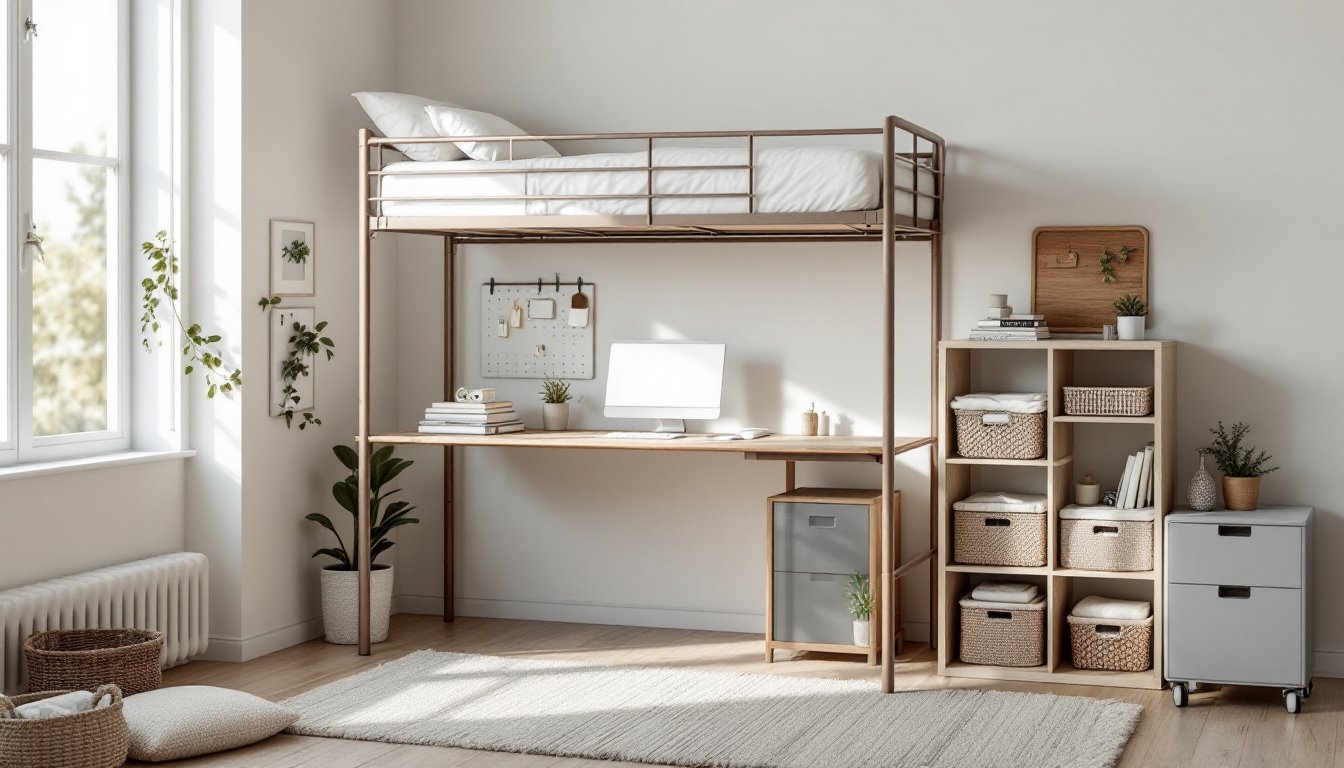
College dorm rooms are notoriously tight. A typical dorm bedroom might offer just 100-120 square feet of personal space, not a blank canvas, but a puzzle that demands smart college bedroom furniture decisions. Incoming freshmen often overlook this reality, arriving with bulky furniture that leaves barely enough room to open a door. The goal isn’t to fill every inch: it’s to choose pieces that work hard, stack vertically when needed, and actually fit the space. This guide walks through the essentials, from beds to storage, then covers space-saving strategies and budget-conscious shopping tactics that help students furnish a dorm without regret or overspending.
Key Takeaways
- Loft beds are the top space-saving solution for college bedroom furniture, doubling usable floor space while costing $150–$350 and freeing room below for desks or storage.
- Vertical storage strategies like wall-mounted shelves, pegboards, and corner units maximize limited dorm square footage without cramping the room.
- Shopping secondhand on Facebook Marketplace, Craigslist, and thrift stores cuts furniture costs by 60–80% and provides high-quality pieces for budget-conscious students.
- Multifunctional pieces like storage ottomans, nesting tables, and beds with built-in drawers save both money and space by eliminating the need for separate furniture items.
- Shopping timing significantly impacts college furniture costs—June, July, and January offer better prices than the high-demand back-to-school season in August.
- A 3–4 inch memory foam mattress topper ($40–$100) dramatically improves comfort on institutional dorm mattresses and stores easily during summer breaks.
Essential Furniture Pieces Every College Room Needs
Bed and Mattress Solutions for Small Spaces
The bed is the anchor piece in any dorm. Most college residences provide a twin XL mattress (39 inches wide, 80 inches long), longer than a standard twin to accommodate taller students. Before buying a frame, confirm your dorm’s specs: some schools restrict lofts or raised beds, while others mandate them to free floor space.
Loft beds are the workhorse choice. They sit the mattress 5-6 feet high, leaving the area below for a desk, storage cubes, or a small seating nook. A quality metal loft frame typically runs $150–$350 and can handle 250-300 pounds. If your dorm allows it, this single decision doubles your usable floor space.
A platform bed frame is lower-profile but takes up more floor real estate. It’s good if you dislike heights or share tight quarters with a roommate who does. Futon frames offer flexibility, they convert between bed and seating, though mattresses tend to wear faster and don’t feel as supportive as dedicated sleep surfaces. Confirm your dorm allows futons: some don’t for fire code reasons.
On the mattress front, stock institutional mattresses are thin and firm. A 3-4 inch memory foam topper ($40–$100) makes a huge difference in comfort and fits easily into a storage bag when you move home for summer. Bring your own fitted sheets, dorms rarely have good ones, and consider a mattress protector to guard against spills.
Storage Furniture That Maximizes Limited Square Footage
Storage makes or breaks a small room. Without it, clothes end up on chairs and textbooks stack on the floor. A few targeted pieces solve this.
Under-bed storage containers are the cheapest move. Clear plastic bins ($10–$25 each) slide under a platform or regular bed frame, holding out-of-season clothes, holiday decorations, or that winter coat you won’t need until break. Label everything: dark bins make it impossible to find anything mid-semester.
Vertical shelving keeps clutter off the floor. A 4-shelf metal bookcase (about $50–$100) fits in a corner without dominating the room. Some dorms allow wall-mounted floating shelves: if yours does, even better. Avoid freestanding bookcases taller than 5 feet, they’re tippy in dorm earthquakes and feel claustrophobic.
A rolling cart or narrow dresser (drawer width 24–30 inches) is a smart dual-use piece. A 3-drawer cart on wheels sits beside the desk for quick access to supplies and can move when you need floor space. A compact dresser works if your room has a closet: it supplements limited hanging space without taking up much footprint.
Cube storage systems (like IKEA’s Kallax line, though there are alternatives) are popular. A 4×4 grid costs around $130–$160. They’re modular, add bins or baskets for soft goods, and work both on the floor and mounted to the wall. Some cubes have a back panel: others are open. Open cubes look less cramped and let air flow: they’re worth the extra dollars.
Space-Saving Furniture Strategies for Dorm Living
Dorm life demands furniture that earns its square footage. Think vertical before horizontal. Wall-mounted desks, shelves, and pegboards free floor space and make the room feel less stuffed. A wall-mounted fold-down desk ($80–$150) takes up just 18 inches of wall space when folded and provides a full 36×20-inch work surface when open. Perfect for students whose desk doubles as a craft station.
Stacking and nesting are your friends. A set of nesting tables ($40–$80) sits as a single coffee table but separates into smaller pieces when you need extra surface area during group study sessions. Stackable seating ottomans double as storage (clothes, blankets, textbooks) and pull out when friends visit.
Don’t underestimate wall space. Command strips and removable hooks ($3–$10) let you hang shelves, organize cords, or create a feature wall with floating shelves without damaging paint. Pegboards ($20–$50) add storage above the desk without eating into square footage. They’re also easy to rearrange mid-year when you realize what you actually use daily.
Corner pieces are often wasted real estate. A tall, slim corner shelf unit ($60–$120) or even a tension rod across a corner with hanging organizers ($15–$40) transforms an awkward gap into usable storage. Some students install a corner reading nook with a floor cushion and small bookcase: it’s intimate and takes zero floor space from the main room.
One overlooked move: under-sink organizers and drawer dividers ($5–$15). Even a small dorm bathroom deserves order. Clear containers, caddies, and vertical dividers prevent the classic roommate bathroom chaos and save time hunting for toothpaste in a pile of bottles. These work in dorm rooms too, desk drawers especially benefit from dividers that keep chargers, sticky notes, and pens sorted.
Stylish Yet Practical Seating and Desk Options
Your desk is non-negotiable. Even if you study in the library most days, having a functional workspace in your room matters for quick assignments, video calls, and organizing notes. Most dorms provide a desk, but if yours doesn’t or if it’s undersized, you’ll need to add one.
A compact desk (36–48 inches wide, 20–24 inches deep) fits most dorms without overwhelming the room. Metal and laminate desks ($60–$150) are lighter and cheaper than wood: they’re also easier to move. Look for one with a small built-in shelf above the work surface, it adds storage for monitor stands, speakers, or reference books. A monitor riser ($20–$40) is a cheap way to free desk surface and improve posture. Slide a keyboard and mouse underneath, and you’ve just added 12–18 inches of workspace.
Seating beyond the floor makes a difference. Your dorm bed becomes a sitting area if you add a wedge pillow or back rest ($20–$50). A floor cushion or pouf ($25–$60) works for casual lounging and can be stored in a closet when not in use. If space allows, a small accent chair ($100–$200) elevates the room’s style and gives you and a visitor somewhere to sit besides the bed. Look for one with a slim profile, armchairs often feel too bulky.
You can find stylish options that don’t scream “college dorm.” Wood-framed seating, mid-tone upholstery, and simple lines age better than bright plastic or cartoon-covered furniture. That matters if you’re planning to keep these pieces into post-college apartments. Sites like IKEA Hackers show creative ways to modify affordable furniture, making generic pieces look intentional and refined. A plain IKEA chair with a nice throw blanket and cushion becomes something you’ll actually want to look at every day.
Budget-Friendly Furniture Shopping Tips for Students
College budgets are tight, and furniture is often an afterthought until move-in day looms. Here’s how to furnish smartly without taking out another loan.
Shop secondhand first. Facebook Marketplace, Craigslist, and local Buy Nothing groups are goldmines for dorm furniture. Students graduating or moving often sell desks, shelving, and chairs for pennies. You’ll find pieces that would cost $200+ new for $30–$80. Same goes for thrift stores: estate sales occasionally have great wood furniture at fractions of retail. The catch: inspect for damage, test drawers and mechanisms, and be ready to transport (recruit friends: grab a friend with a truck).
Buy multifunctional pieces. A storage ottoman is a footrest, side table, and hidden storage: it’s pricier upfront than a basic ottoman but worth it. A bed with built-in drawers ($150–$250) costs more than a basic frame but eliminates the need for a dresser. These trade-offs save money overall and space immediately.
Lean on budget retailers. IKEA, Wayfair, Target, and Walmart all carry affordable dorm-friendly furniture. IKEA’s return policy is generous (30 days), which matters if a bookcase doesn’t fit. Wayfair has a huge selection and frequent sales. Target’s Threshold and Project 62 lines offer style without a premium. Walmart’s selection is smaller but prices are competitive, especially for basic pieces.
Research suggests small space living solutions often appear in design blogs and apartment-focused sites, which regularly feature budget hacks and rental-friendly ideas. Those same strategies apply to dorms, removable wallpaper, renter-safe shelving, and modular pieces all work.
Timing matters. Back-to-school season (mid-August) is pricey because demand spikes. If you can, shop in June or early July. End-of-summer sales (late August/early September) are decent, though selection thins out. January and February bring post-holiday clearance on home goods. Black Friday and Cyber Monday (late November) are solid if you can plan that far ahead.
DIY and hack when you can. Paint a thrifted dresser for $20 in supplies instead of buying a new one. Paint plastic storage boxes to match your color scheme. Use free furniture plans to build a simple nightstand or shelf if you’re handy. Even beginners can assemble a basic wall shelf in an afternoon. These touches make the room feel intentional and save 30–50% versus ready-made alternatives.
Ask about student discounts. Many furniture retailers offer 10–15% off with a valid student ID. IKEA, West Elm, Wayfair, and others have programs. It’s not huge savings, but it adds up if you’re buying multiple pieces. Some schools partner with furniture companies for special dorm deals, check your college’s housing website before shopping independently.
Conclusion
Furnishing a college dorm doesn’t require a designer or a hefty budget. Start with the essentials, a bed solution, storage pieces, and a functional desk, then layer in seating and shelving based on your space and style. Measure twice, buy once, and resist the urge to fill every inch. A well-planned dorm room with breathing room beats a cramped one packed with stuff. Shop smart, think vertical, and choose pieces that’ll serve you in future apartments too. Your freshman self and your bank account will both thank you.