West Elm Living Room Furniture: Create Your Perfect Space in 2026
West Elm living room furniture strikes a balance between modern design, durability, and affordability that appeals to homeowners ready to invest in pieces they’ll keep for years. Whether you’re furnishing from scratch or refreshing a tired layout, West Elm offers a curated selection of sofas, tables, and storage solutions that work with different styles and budgets. This guide walks you through selecting, styling, and arranging West Elm furniture to build a living room that feels both inviting and put-together, without the guesswork or design overwhelm.
Key Takeaways
- West Elm living room furniture balances modern design, durability, and affordability through quality construction including kiln-dried hardwood frames and upholstery rated for 35,000+ rubs to withstand real-world use.
- Measure your space before selecting a sofa—consider room dimensions, doorway width, and wall space to ensure the piece balances the room without overwhelming it.
- Choose performance fabrics like Sunbrella blends for high-traffic homes with kids and pets, as they resist stains and clean easily with soap and water.
- Layer textures and colors using the 60-30-10 principle—60% dominant color, 30% secondary accent, and 10% pops of color—to create visual depth and sophistication.
- West Elm’s neutral foundation pieces work across decorating styles, from Scandinavian minimalism to eclectic midcentury designs, and pair well with personal touches like family photos and vintage textiles.
- Shop West Elm seasonal sales offering 20–30% discounts on living room staples during holiday, summer, and end-of-season promotions to maximize value without sacrificing quality.
Why West Elm Is A Top Choice For Living Room Furniture
Understanding West Elm’s Design Philosophy And Quality Standards
West Elm has earned a reputation for balancing mid-century modern aesthetics with contemporary functionality. The brand doesn’t chase fleeting trends: instead, it focuses on clean lines, purposeful construction, and materials that hold up to real-world use. When you buy a West Elm sofa or side table, you’re getting thoughtful joinery, solid hardwood frames (not plywood backs), and upholstery chosen for durability rather than just appearance.
Quality standards matter more than brand name. West Elm discloses frame materials, seat cushion construction, and fabric performance ratings upfront. Most sofas use kiln-dried hardwood frames and either sinuous springs or eight-way hand-tied construction, both proven systems for longevity. Fabrics are rated by rubs (Wyzenbeek or Martindale standards), which measures how many times a material can be rubbed before showing wear. A family room sofa should handle at least 35,000 rubs: West Elm’s upholstered pieces typically exceed that threshold.
The design philosophy emphasizes versatility. Pieces are intentionally neutral or feature timeless patterns, so they work across different decorating styles, from Scandinavian-influenced minimalism to eclectic midcentury revival. This matters because good living room furniture stays for a decade or longer, outlasting color trends.
Essential Living Room Furniture Pieces You’ll Need
Sofas And Sectionals That Anchor Your Space
Your sofa is the room’s anchor. It sets the scale, defines seating capacity, and influences traffic flow. West Elm’s sofa lineup ranges from compact 67-inch loveseats to sprawling sectionals with chaise lounges. Measure your room before shopping, note the doorway width (can you fit a sofa through it?), the wall space where it’ll sit, and how far it sits from the TV or focal point. A sofa that’s 90 inches wide looks visually balanced in a room with 12-foot walls but can overwhelm a smaller space.
Consider your lifestyle. Kids and pets? Pick performance fabrics like West Elm’s Sunbrella blends or crypton-treated materials, they resist stains and clean with soap and water. Formal living room that doesn’t see heavy use? You have more flexibility with delicate linens or vintage velvet. Sectionals maximize seating but demand planning: they’re harder to rearrange and may not fit future homes.
Sectional orientation matters. An L-shaped sectional works well in corners but breaks up sightlines. A chaise-on-one-end sectional offers lounging without a giant footprint. If you can’t commit to one configuration, two-piece loveseats pushed together offer flexibility, you can separate them later.
Coffee Tables, Side Tables, And Storage Solutions
Tables serve function and visual weight. A coffee table’s height should be within 1-2 inches of your sofa cushion height, typically 16 to 18 inches. The table’s length ideally runs two-thirds the length of your sofa: too small looks fussy, too large blocks movement. West Elm’s marble-top tables photograph beautifully but need coasters and regular sealing. Solid wood options age gracefully and hide dings better: they’re more forgiving for homes with traffic.
Side tables flank seating and hold lamps, drinks, and remotes. A 24-inch-tall side table aligns with standard sofa armrest height, making it functional without feeling cramped. Pairing mismatched tables (different woods, styles, or heights) feels intentional if you commit to it: matching pairs feel safer but less personal.
Storage solves clutter without screaming “I have junk.” West Elm’s credenzas, media consoles, and closed-back shelving hide throw blankets, board games, and remote controls. Open shelving looks airy but demands styling discipline, stack books, add a decorative bowl, leave breathing room. Enclosed storage is more forgiving and works in transitional or modern spaces where visual noise reads as clutter.
How To Style West Elm Furniture For Maximum Impact
Creating A Cohesive Color And Design Scheme
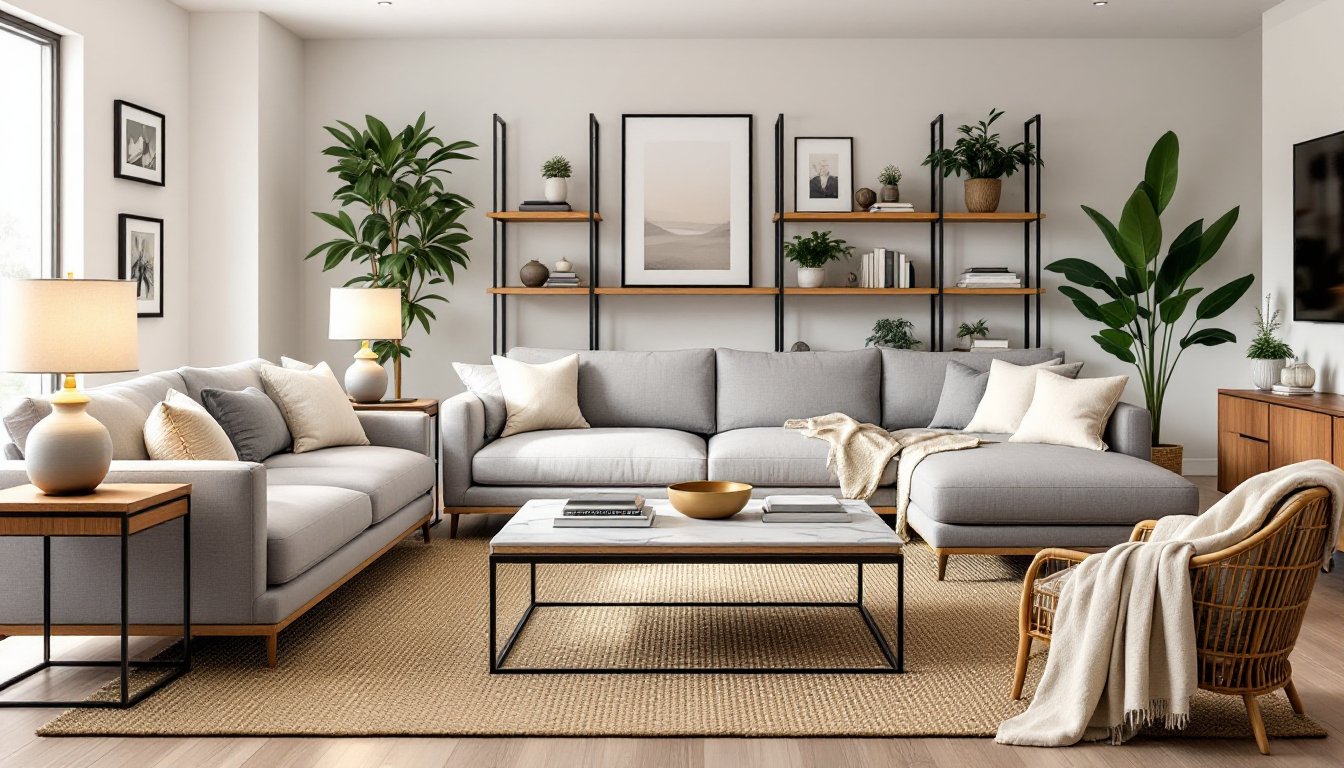
West Elm’s neutral foundation gives you freedom to build a color story around larger pieces. Start with your sofa as the anchor, say, a warm gray performance fabric or charcoal linen. Layer in one or two accent colors through side chairs, throw pillows, and area rugs. A room with too many competing hues feels chaotic: a room with too few feels flat.
Design coherence comes from repeating materials and proportions. If your sofa is wood-frame, echo that in a wooden coffee table and shelving. If your aesthetic leans Scandinavian, keep accessories minimal and let negative space breathe. Modern spaces work well with modern home decor ideas that emphasize function over ornamentation. Eclectic rooms can layer different styles if you limit the color palette and vary scale, pair a velvet chair with a linen sofa, a brass side table with a wooden credenza, but tie them together with a cohesive rug or artwork.
Lighting transforms how furniture reads. A living room sofa looks inviting under warm table lamps but can feel cold under harsh overhead lights. West Elm’s lighting complements its furniture through consistent design language, brass-base lamps, ceramic bases, linen shades, all reinforcing the brand’s modern-but-warm aesthetic.
Layering textures adds depth without clutter. Combine the smoothness of a polished wood table with the softness of a linen sofa, the roughness of a jute rug, and the sheen of a metal lamp base. This interplay of materials feels sophisticated because it’s thoughtful, not accidental. Many stylists follow a rule of three, three primary materials, three accent colors, three lighting sources. It creates rhythm without overcomplication.
The 60-30-10 color principle applies here: 60% dominant color (usually your sofa and walls), 30% secondary color (accent chairs, storage), 10% accent pop (throw pillows, art, plant). Within that framework, arrange furniture to encourage conversation, face seating toward each other rather than the TV, or angle pieces to create intimate zones in larger rooms. A West Elm sectional facing a media console works for TV viewing, but adding a small table and chairs at a right angle creates a conversation area that doesn’t feel like a theater setup.
Personalization completes the space. West Elm’s pieces are designed to accommodate your style, not impose one. Add family photos, collected art, or books to shelving. Drape a vintage textile over a chair back. These details tell your story and make the room feel lived-in rather than showroom-fresh. For comprehensive styling guidance, interior design tips offer room-specific approaches that work across furniture brands and price points.
Timing and sales also matter practically. West Elm runs seasonal sales, holiday, summer, and end-of-season promotions offer 20–30% off select pieces. Chic home goods on sale at West Elm often include living room staples during these windows. Planning your purchase around these events doesn’t sacrifice quality: you’re buying the same furniture at a better price.