The Ultimate Guide to Choosing Patio Furniture Sets With Umbrellas in 2026
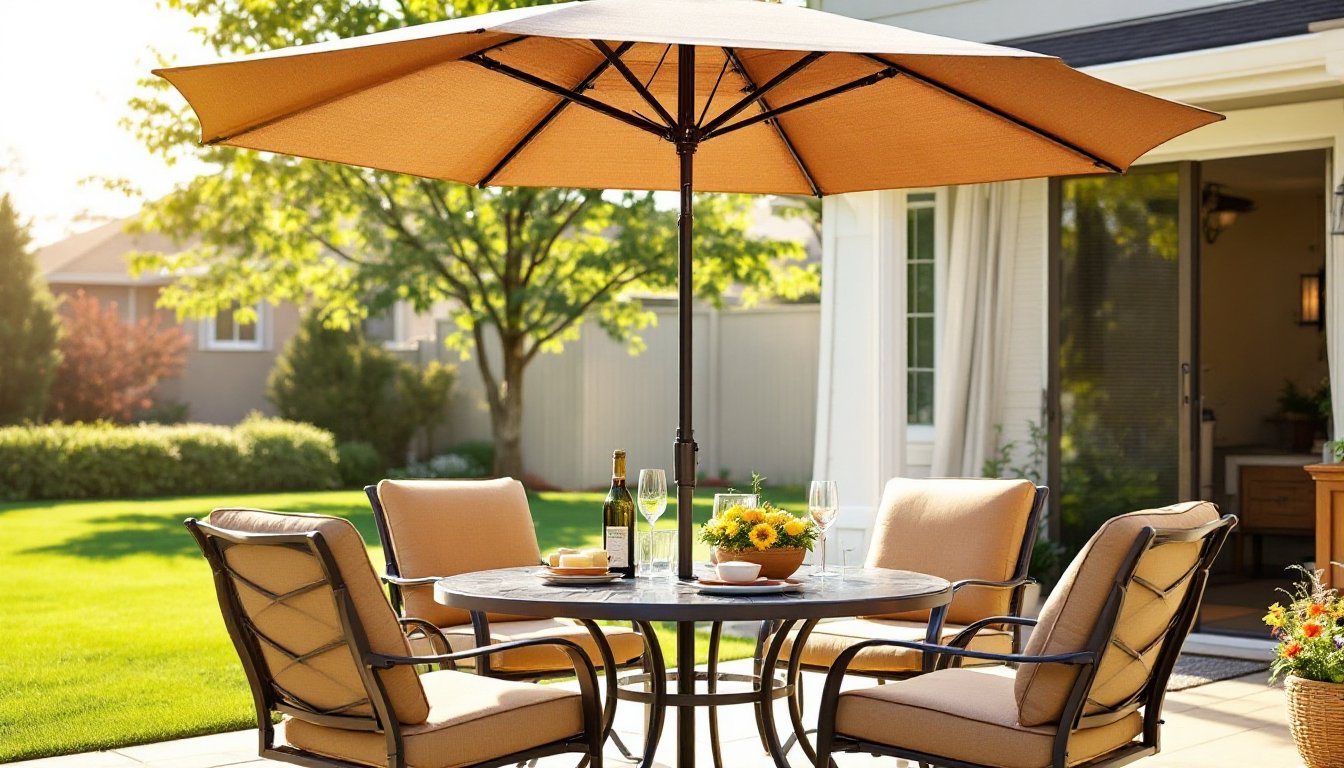
A well-chosen patio furniture set with umbrella transforms an outdoor space from merely functional to genuinely inviting. Whether you’re entertaining guests on a sunny afternoon or claiming a quiet corner for morning coffee, the right setup makes all the difference. Patio furniture sets with umbrellas combine protection from UV rays and unexpected weather with style and comfort, no need to choose between durability and aesthetics. This guide walks you through selecting, measuring, and maintaining a furniture set that fits your space, budget, and lifestyle. We’ll cover materials, styles, sizing, and real-world durability factors so you can invest wisely.
Key Takeaways
- Patio furniture sets with umbrellas block up to 99% of UV radiation while extending your outdoor living season by protecting from sun, drizzle, and unexpected weather.
- Aluminum frames resist rust and require no refinishing, making them ideal for humid or coastal climates, while solution-dyed acrylic fabrics like Sunbrella last 5–7 years compared to 2–3 years for standard blends.
- Proper space planning requires at least 3 feet of clearance around your furniture set for foot traffic, plus 36–48 inches around dining tables for pulling out chairs and walking behind them.
- A 9-foot diameter umbrella provides approximately 64 square feet of shade coverage, so measure your patio’s peak sun exposure time to ensure adequate protection for your actual usage.
- Off-season storage and seasonal cushion care are the single biggest factors in longevity, more impactful than price alone—a properly maintained mid-range set ($1,200–$2,500) will outlast a premium set left exposed year-round.
- Inspect hardware twice yearly, removing cushions after rain and protecting wood frames with outdoor-rated sealers annually to prevent mold, mildew, and structural deterioration.
Why Add an Umbrella to Your Patio Furniture Set
An umbrella on your patio does more than shade, it extends your outdoor living season by protecting from sun, drizzle, and unexpected weather. UV rays damage skin and fade furniture fabrics quickly: a quality umbrella blocks up to 99% of UV radiation, keeping both you and your investment safer longer. Many patio furniture sets integrate the umbrella pole directly into the table design, eliminating the need for a separate stand and creating a cleaner, more cohesive look. Sets with umbrellas also define gathering spaces: that shaded circle becomes an inviting hub rather than an exposed seating area. For families with young children or anyone light-sensitive, the difference between full sun and dappled shade can mean the difference between enjoying the patio daily or abandoning it in summer months.
Key Materials and Durability Factors to Consider
Frame material determines how well a set withstands weather cycles. Aluminum frames are lightweight and rust-proof, making them ideal for humid climates or areas near salt water: they won’t rot or require refinishing. Steel frames are heavier and stronger but need protective coatings (powder-coat or paint) to resist rust: if that coating chips, rust spreads quickly. Teak and cedar wood frames look beautiful and age gracefully, but require annual sealing or sanding to prevent weathering. Consider your climate: wood in the Pacific Northwest stays damp longer, while Arizona’s dry heat accelerates wood cracking.
Seat cushions and fabric make or break comfort and longevity. Solution-dyed acrylic fabrics (like Sunbrella) resist fading and mildew far better than regular cotton or poly blends: they cost more upfront but last 5–7 years instead of 2–3. Cushion fill matters too, closed-cell foam drains water and resists mold, while open-cell foam absorbs moisture and deteriorates faster outdoors. Look for outdoor-rated cushions labeled as UV-resistant and mildew-resistant. Always remove cushions after rain or before extended wet periods, and store them indoors during off-season.
Popular Patio Furniture Styles With Integrated Umbrellas
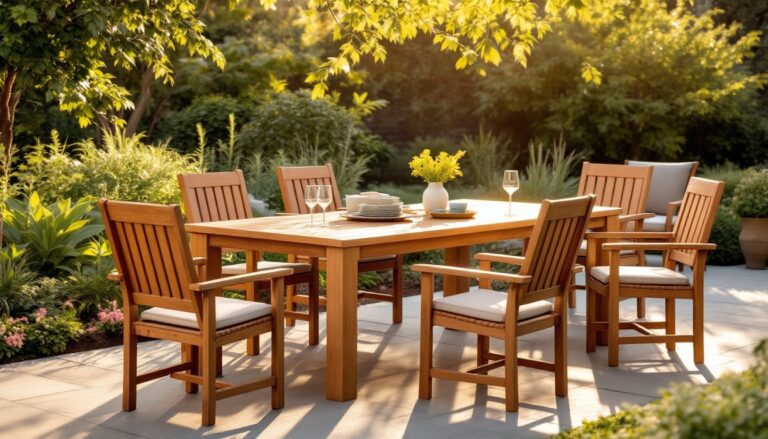
Dining sets are the classic choice, a table with an umbrella hole and surrounding chairs. These range from compact 4-seat bistro sets (perfect for small patios) to 8-seat rectangular tables for entertaining. Dining sets with umbrellas work best when the pole is placed off-center or at one end, allowing free legroom for diners. Height matters: standard table height is 30 inches, and your umbrella should shade the table and adjacent seating without blocking sightlines.
Lounge sectionals with umbrellas cater to relaxation: they’re sprawling conversation areas with built-in umbrellas anchored to a side table or integrated frame. These sets demand more space but create resort-like comfort. A 10-foot by 10-foot space is realistic for a small sectional setup.
Bar-height tables with stools and umbrellas suit poolside entertaining or contemporary patio designs. The higher seating (36 inches vs. standard 30 inches) encourages mingling and keeps conversations lively.
When browsing, recognize that tested and reviewed patio furniture sets provide side-by-side comparisons of real-world comfort and durability, a helpful reference before committing to a style or brand.
How to Measure and Plan Your Patio Space
Start with a tape measure and a sketch. Measure your patio length and width in feet, then mark obstacles: trees, grill, pathway edges, or shade structures. A furniture set needs breathing room: allow at least 3 feet of clearance on all sides for foot traffic and sight lines.
For dining sets, assume each person needs roughly 18 inches of table edge width. A 36-inch round table seats 4 comfortably: a 42-inch round seats 5–6: a 36×60 rectangle seats 6, and a 42×72 rectangle seats 8. Add 36–48 inches around the table for pulling out chairs and walking behind them.
Umbrella coverage is key, a 9-foot diameter umbrella (measured pole to outer edge) shades roughly 64 square feet of ground. If your table sits in intense afternoon sun, measure shadow at 3 p.m. on a clear day to see actual coverage in your location. Shade moves throughout the day, so plan for the time you’ll use the patio most.
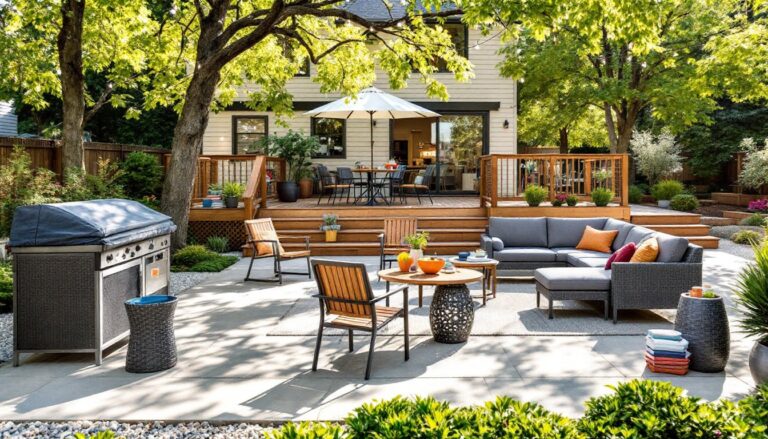
Consider sun angle: in northern climates, shade is welcome year-round: in the South or Southwest, afternoon shade from May through September is critical. Account for nearby trees that may change your sun exposure seasonally. Stylish patio furniture sets for outdoor living showcase various sizes and footprints, browsing images can help you visualize scale and coverage before measuring.
Budget Options: Finding Quality Sets at Every Price Point
Budget tier ($600–$1,200): Expect aluminum or basic steel frames with poly or acrylic-blend fabrics. Umbrellas are often thinner polyester (not solution-dyed). These sets last 2–3 seasons of moderate use if you care for them. Search for sales in late summer or fall when retailers clear inventory.
Mid-range ($1,200–$2,500): Aluminum or powder-coated steel frames with solution-dyed cushion fabrics and sturdy umbrellas. Joinery is better, and styles feel more refined. Most homeowners find good value and durability here: expect 5+ years with seasonal storage and cushion care.
Premium ($2,500+): Teak, high-grade aluminum, or composite materials: premium fabrics like Sunbrella: heavier umbrellas with crank or pulley systems: and refined design. These sets can last 10+ years if maintained. Warranty coverage is often better too.
Don’t confuse price with value. A $1,500 set stored indoors off-season will outlast a $3,000 set left out year-round without cover. Material choice, not cost alone, drives longevity. Modern home design and inspiration includes outdoor furniture galleries that break down price, material, and aesthetic, helpful for comparing options across budget ranges.
Maintenance and Care Tips for Long-Lasting Outdoor Sets
Off-season storage is the single biggest factor in longevity. In cold climates, cover the set or move it to a garage or shed from November through March: in mild climates, at minimum cover it with a breathable tarp (not plastic, which traps moisture). Umbrellas are especially vulnerable to wind and snow load, remove them if heavy weather approaches, or lower them flat against the table.
Regular cleaning prevents mold and mildew. Wipe frames with a dry cloth monthly. For cushions, vacuum loose dirt and spot-clean with mild soap and water: allow full air-dry before storing. Mildew loves dampness, so never fold or stack cushions while damp.
Inspect hardware twice yearly. Check bolts and fasteners on the umbrella pole, frame connections, and chair legs. Tighten loose bolts with the appropriate wrench: loose hardware accelerates wear and creates safety hazards. If bolts corrode, replace them with stainless steel equivalents.
Protect wood frames annually. Teak weathers to silvery-gray naturally (no treatment needed), but cedar and pressure-treated lumber benefit from sealant reapplication each spring. Use outdoor-rated sealers, not interior polyurethane.
Test umbrella stability before each season. The pole should stand vertical with no wobble. If sand or gravel has settled around the base, top it off or re-level. A wobbly umbrella is a tipping hazard, don’t ignore it.
Conclusion
Choosing a patio furniture set with umbrella is an investment in outdoor living, one that pays off in comfort, entertaining capacity, and season-long usability. Prioritize frame material and fabric quality over brand name or trendy colors, measure your space honestly, and match the set’s size and style to how you actually use your patio. With proper placement, seasonal storage, and basic maintenance, a mid-range set provides years of reliable service. Start shopping with your climate, budget, and must-have features in mind, and you’ll find a setup that turns your outdoor space into the gathering place you’ve envisioned.