Green Living Room Furniture: Transform Your Space With Sustainable Style in 2026
Choosing sustainable furniture for your living room isn’t just a trend, it’s a practical investment in your home’s longevity and the planet’s health. Green furniture combines eco-conscious materials, ethical production, and durability, giving homeowners a real alternative to disposable mass-market pieces. Whether you’re planning a full living room overhaul or swapping in key pieces, understanding what makes furniture truly “green” helps you make informed decisions that align with both your budget and your values. This guide walks you through selecting, styling, and affording quality sustainable furniture that’ll anchor your living space for years to come.
Key Takeaways
- Green furniture for your living room offers durability and longevity, with solid hardwood frames lasting decades compared to conventional pieces that deteriorate in 5–7 years, directly reducing waste and cost-per-use.
- Look for certifications like FSC (wood sourcing), GOTS (organic textiles), and GREENGUARD (low VOC emissions) when selecting sustainable pieces, and ask manufacturers transparent questions about frame materials, cushion fill, and chemical treatments.
- Natural materials like organic cotton upholstery, natural latex cushions, and reclaimed wood frames improve indoor air quality by eliminating off-gassing chemicals and flame retardants found in conventional furniture.
- Mix material textures—pairing solid wood with woven seagrass, linen, and jute—creates a cohesive, intentional living room aesthetic without requiring premium pricing or a complete overhaul.
- Build your green living room gradually over 12–18 months by starting with affordable accent pieces, hunting for seasonal sales, or shopping secondhand and reupholstering, making sustainable design accessible on any budget.
Why Choose Green Furniture for Your Living Room
Green furniture tackles a real problem: conventional manufacturing generates massive waste, relies on virgin materials, and often involves exploitative labor practices. When you invest in sustainable pieces, you’re getting furniture built to last, usually from reclaimed wood, FSC-certified (Forest Stewardship Council) timber, recycled materials, or low-impact textiles.
Durability is the honest reason to care. A solid hardwood frame with quality joinery lasts decades: a particleboard sofa with stapled joints falls apart in five years. That longevity directly cuts waste and cost-per-use. Sustainable living room furniture typically features real wood construction, high-density foam or natural latex in cushions, and non-toxic finishes, all things that hold up to actual living.
Healthwise, conventional upholstery often contains flame retardants and off-gassing chemicals that linger in your home. Green furniture avoids these additives, meaning better indoor air quality for your household. Plus, many eco-conscious manufacturers disclose their supply chains, so you know where materials came from and who made them.
Types of Green Furniture to Consider
Eco-Friendly Sofas and Sectionals
A sofa anchors most living rooms, so choosing a green version has real impact. Look for frames made of sustainably harvested hardwoods (ash, oak, or walnut) with mortise-and-tenon joinery, that’s the traditional woodworking joint where one piece interlocks into another, creating strength without just relying on nails or staples. Avoid particle board or plywood frames: they won’t take the weight cycling that sitting creates.
For cushions, natural latex (made from rubber trees) and high-density polyurethane foam are durable bases. Pair these with organic cotton covers or linen upholstery, both breathable and washable. Some makers offer sectionals in reclaimed leather or recycled polyester blends, which reduce virgin material demand. Sectionals designed with removable, replaceable cushion covers extend usable life considerably, when fabric wears, swap the cover instead of replacing the entire sofa.
Sustainable Accent Chairs and Ottomans
Accent chairs let you experiment with sustainable materials without the sofa’s commitment. Solid wood frames paired with organic cotton or wool upholstery create pieces that withstand drafts and spills. Ottoman bases often use reclaimed wood or FSC-certified plywood: cushioning should be either latex or natural fiber batting, not toxic foam.
Woven seating, using rattan, seagrass, or water hyacinth, offers another green route. These materials grow quickly, require minimal fertilizer, and biodegrade naturally. They pair well in mixed living rooms with wood and textile pieces. When evaluating any chair or ottoman, check if legs are real wood (not veneer over particle board), and verify that fasteners and joinery are solid, look at the underneath if the seller allows.
How to Select Quality Green Furniture
Start by asking the maker or retailer direct questions: What’s the frame wood? What’s the cushion fill? Is upholstery organic or treated with chemical finishes? Transparent sellers answer these without hedging. Certifications matter, FSC (wood sourcing), GOTS (organic textiles), Cradle to Cradle, and GREENGUARD (low VOC emissions) all signal genuine standards, not just marketing.
Inspect construction firsthand when possible. Rock the chair or sofa: it should feel solid, not bouncy or creaky. Check joints for glue seams and proper alignment. Run a hand along the frame, real wood feels different than veneer or plastic. If you’re shopping online, request detailed photos of frame construction and upholstery details.
Ask about reparability and warranty. A maker who stands behind their work and offers repair services (loose seams, cushion replacement, reupholstering) signals they built for longevity. Check return policies too, especially for pieces you can’t see in person. Some makers offer trial periods or white-glove delivery so you can be sure before committing. Resources like Homedit showcase design-forward sustainable pieces and explain material choices clearly, helping you compare options.
Styling Tips for a Cohesive Green Living Room
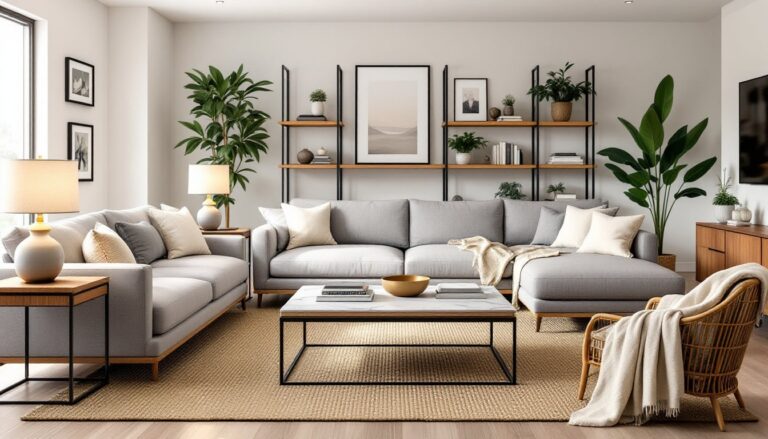
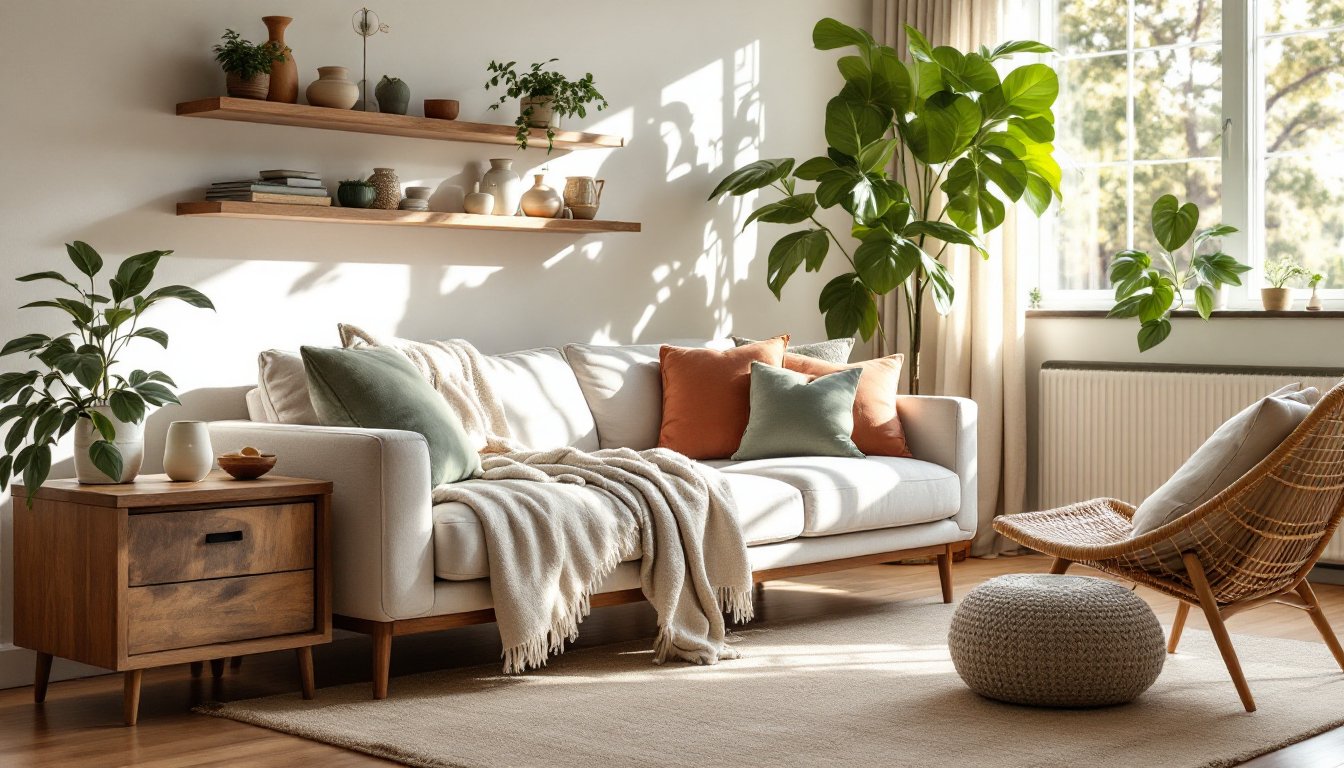
Green furniture doesn’t mean your whole room must be botanical colors. Instead, think of “green” as a design philosophy, intentional, durable, honest materials, and style from there. A natural wood coffee table and linen sofa create a warm, grounded base that pairs beautifully with soft pastels, warm neutrals, or earthy jewel tones like moss or sage.
Mix material textures to avoid a flat appearance. Pair a solid wood frame chair with a woven seagrass ottoman, add linen curtains, and include a jute or wool area rug. This layering feels curated, not cookie-cutter. Reclaimed wood side tables or shelving complement sustainable upholstery well: the patina and grain variation tell a story.
According to MyDomaine, balancing natural materials with one or two statement pieces, perhaps a vintage brass lamp or a ceramic accent table, prevents the space from feeling austere. Plants are obvious but earned: living greenery (pothos, fiddle leaf fig, snake plant) actually improves air quality alongside your low-VOC furniture. Layer in soft throws and organic cotton pillows: they add comfort and visual interest without requiring structural changes. Keep wall treatments simple, consider a soft sage or neutral tone, so your furniture pieces remain the focal point.
Budget-Friendly Options for Eco-Conscious Shoppers
Sustainable furniture doesn’t always mean premium pricing, though quality pieces require realistic investment. A new organic cotton sofa from a mid-tier maker runs $1,200–$2,500: a lower-cost conventional sofa might be $600 but will likely fail within 5–7 years, making the per-year cost comparable or higher.
Consider starting small. Replace your old sofa last: instead, invest first in sustainable accent chairs or side tables that cost less but set the room’s aesthetic direction. Watch for sales from established green makers, many offer 15–30% discounts during seasonal sales or clearance events. Buy secondhand vintage pieces (mid-century wooden furniture is often better built than modern stuff) and refresh upholstery through a local reupholsterer. That $50 thrift-store chair becomes a $300 piece with new fabric, still far cheaper and far greener than buying new.
Online marketplaces specializing in sustainable home goods aggregate makers and filter by material or price range. Rent-to-own programs exist for high-end pieces, letting you test fit and durability before committing. Check Homify for design inspiration pairing budget-conscious pieces with statement sustainable items, proving you don’t need to overhaul everything at once. Direct-to-consumer makers often undercut retail stores because they skip the middleman markup. Building your green living room over 12–18 months rather than overnight spreads costs and lets you hunt for sales.