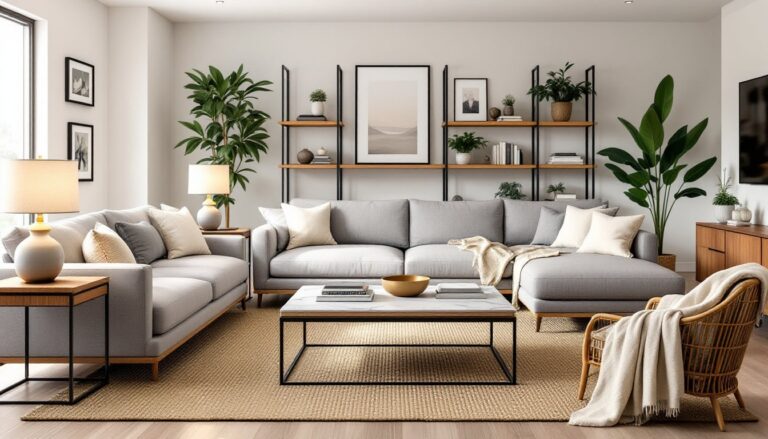
Living Room Furniture With Recliners: The Ultimate Guide to Comfort and Style in 2026
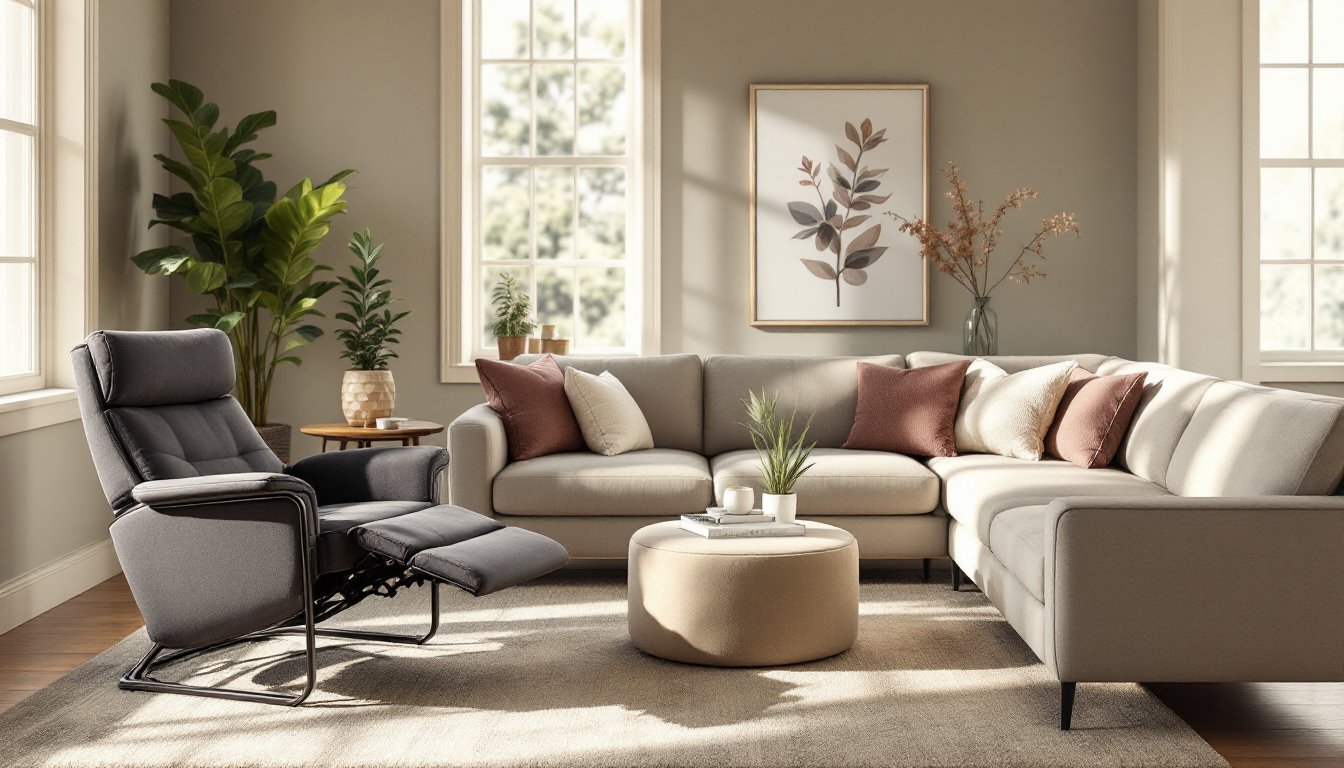
Recliners have come a long way from the stereotypical leather lounger gathering dust in a basement. Modern recliners blend comfort, durability, and design sensibility, making them a legitimate centerpiece for any living room. Whether you’re planning a full furniture overhaul or adding a single statement piece, understanding how recliners fit into your space is key to creating a room that feels both welcoming and intentional. This guide walks through the essentials: why recliners matter, which types work best for your needs, and how to arrange them alongside your other furniture without sacrificing style or function.
Key Takeaways
- Modern recliners blend comfort, durability, and contemporary design, making them essential living room furniture that serves multiple purposes from relaxation to work.
- Manual recliners cost $200–$800 and offer durability and quiet operation, while power recliners ($500–$2,000+) provide convenience with heating and massage features for those with mobility concerns.
- Wall-hugger and glider recliners solve small-space challenges, requiring only 8–10 inches of clearance compared to standard recliners’ 2–3 feet.
- Arrange recliners strategically by measuring full recline depth (6–8 feet) and leaving 12 inches of clearance behind the seat, then balance visual weight with sofas using throw pillows and area rugs.
- Leather recliners offer durability and easy cleaning ($600–$3,000+), while performance fabric options ($400–$2,000) blend seamlessly into modern interiors and resist stains in high-traffic homes.
- Test recliners in person before purchasing since comfort feels different to different bodies, and prioritize your budget, available space, and specific needs to transform your living room into a genuinely livable space.
Why Recliners Are Essential for Modern Living Rooms
A quality recliner isn’t luxury, it’s functional furniture that earns its floor space every single day. Most living rooms serve multiple roles: watching television, reading, socializing, and sometimes working from home. A recliner covers all of these scenarios by offering adjustable support and footrest extension. Your body stays properly aligned, lumbar support reduces strain on your lower back, and the ability to elevate your legs improves circulation after a long day.
The stigma around recliners has faded, largely because designers have finally caught up to comfort. You can find recliners in contemporary silhouettes, neutral colors, and clean lines that integrate seamlessly into modern interiors. Families with young children, elderly members, or anyone recovering from an injury benefit enormously from easy-to-use reclining mechanisms. Even homes without specific medical needs find that a well-placed recliner becomes the most-used seat in the room, because comfort wins.
Types of Recliners and How to Choose the Right One
Manual vs. Power Recliners
Manual recliners use a lever or handle mechanism near the armrest. Operating them requires a bit of physical effort, but they’re durable, quieter, and cost $200–$800 depending on upholstery quality. They work well for most adults and older children, though someone with limited hand strength or mobility might struggle.
Power recliners use an electric motor controlled by a remote. They’re smoother, require minimal effort, and often include built-in heating and massage functions. Expect to pay $500–$2,000+: they also need a nearby electrical outlet, which affects furniture placement. Power recliners are ideal for anyone with mobility concerns, arthritis, or anyone who simply values convenience.
Consider your household’s age, mobility levels, and electrical access before deciding. If you’re unsure, a manual option often strikes the best balance between cost, durability, and practicality.
Style Categories: Leather, Fabric, and Modern Designs
Leather recliners are durable, easier to clean (ideal for homes with kids or pets), and develop a rich patina over time. Genuine leather runs $600–$3,000+, while bonded leather (a lower-cost alternative) is thinner and less durable. Leather also shows creasing and wear patterns, which some appreciate as character and others see as aging.
Fabric recliners offer softer aesthetics and blend easily into most interiors. Performance fabrics (designed to resist stains and wear) cost more upfront but outlast standard upholstery in high-traffic homes. Microsuede, microfiber, and linen blends are popular choices. Quality fabric recliners range from $400–$2,000.
Modern designs include gliders (rockers that move side-to-side smoothly without creaking), swivel bases for flexible viewing angles, and low-profile recliners that fit tight spaces. These styles often sacrifice maximum recline depth but maximize visual integration with contemporary living room layouts. Many homeowners find living rooms with reclining sofas on design platforms helpful for seeing real-world styling options before purchasing.
Arranging Recliners With Other Living Room Furniture
The classic television-centered layout still works, but recliners don’t have to face the TV directly. A pair of recliners angled toward a conversation area creates intimacy and encourages actual interaction. Positioning one recliner perpendicular to a sofa, with side tables between them, breaks up the visual monotony and functions beautifully for reading or solo relaxation.
Measure your recliner’s full recline depth (often 6–8 feet when fully extended) and leave at least 12 inches of clearance behind the seat when fully reclined. Walls, shelving, and decorative elements must not block the chair’s footrest extension. This sounds obvious but causes countless furniture arrangement failures.
Combine recliners with sofas by balancing visual weight. A large sectional can handle one or two smaller recliners, while a modest sofa suits a single statement recliner beside it. Darker recliners ground a space: lighter ones feel airy and spacious. Use throw pillows, footstools, and area rugs to tie recliners visually to your larger furniture grouping.
Storage ottomans underneath the footrest area serve double duty, they provide hidden storage and create a cohesive footprint when the recliner’s footrest is retracted. This works particularly well in smaller homes where every piece must justify its presence. Design-focused homeowners often explore HGTV and similar resources for styling inspiration before finalizing layouts.
Space-Saving Solutions for Small Living Rooms
Small-space living doesn’t mean forgoing comfort. Wall-hugger recliners are engineered to require only 8–10 inches of clearance from the wall when fully reclined, compared to standard recliners’ 2–3 feet. They cost slightly more but solve the space problem entirely. Brands and retailers often label these clearly, so search specifically for “wall-hugger” or “space-saver” recliners when shopping.
Glider recliners occupy a smaller footprint than traditional rockers because they slide smoothly on a fixed base rather than swinging outward. They’re perfect for smaller rooms and nurseries, offering gentle motion without requiring extra lateral space. The tradeoff: maximum recline depth is often reduced, but the comfort level remains excellent.
Multipurpose designs combine functionality with compact profiles. Some recliners include built-in USB ports, cup holders, and side storage compartments, eliminating the need for additional side tables. Others feature reversible cushions or removable covers for easier maintenance in homes where space for folding laundry is already tight.
Consider your recliner’s color and material strategically in small rooms. A light-colored fabric recliner with clean lines visually opens the space, while a dark leather recliner grounds it and feels more intimate. Home decorating resources and interior design inspiration provide numerous examples of recliners successfully integrated into compact living areas, helping you visualize the final result before committing to a purchase.
Conclusion
Choosing the right recliner means honestly assessing your needs: comfort level, physical requirements, available space, and style preferences. A well-chosen recliner transforms your living room into a genuinely livable space, a place where comfort isn’t sacrificed for aesthetics and functionality drives the design. Start with your budget, measure your space carefully, and test models in person whenever possible. Recliners feel different to different bodies, so what works beautifully for a friend might not suit you. Take the time to get it right.