Coastal Dining Room Furniture: The Essential Guide to Creating a Breezy, Seaside Retreat in 2026
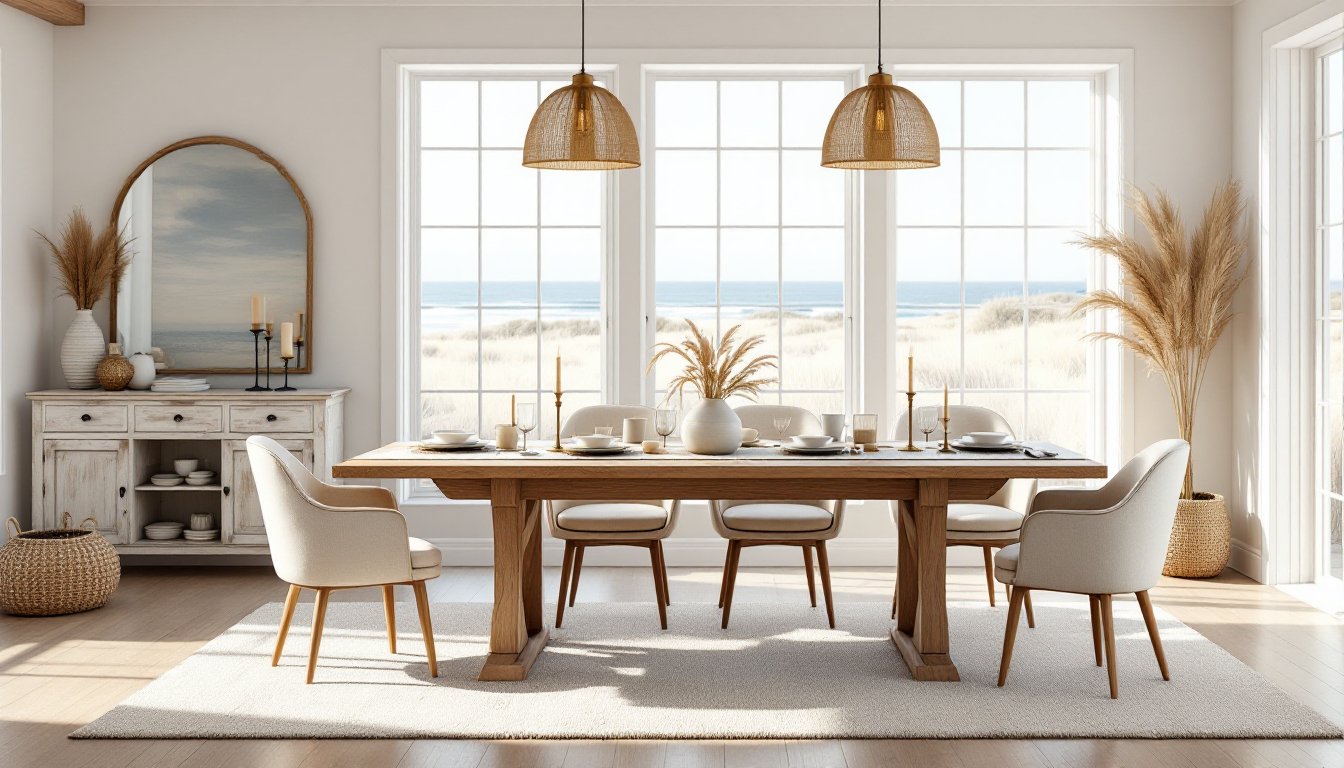
Coastal dining rooms have become increasingly popular among homeowners seeking a relaxed, light-filled gathering space that feels like an everyday escape. Unlike trendy décor that fades in a season, coastal dining room furniture combines timeless design with practical durability, making it a smart investment for busy families and entertaining hosts alike. Whether you’re renovating a full dining space or simply refreshing your current setup, understanding how to select and style coastal furniture transforms an ordinary room into one that captures the ease and warmth of seaside living. This guide walks you through everything from color schemes and table selection to the finishing touches that complete your coastal dining retreat.
Key Takeaways
- Coastal dining room furniture prioritizes natural materials like reclaimed wood, metal, and natural fibers that age gracefully and create an authentic, lived-in atmosphere without constant maintenance.
- Select dining tables in solid wood (teak, oak, or reclaimed barn wood) with matte finishes in neutral tones; 48- to 60-inch rectangular tables work best for most rooms and comfortably seat six to eight people.
- Mix-and-match coastal dining chairs in linen, cotton, or natural wood keep the space visually light; ensure seats are 17 to 18 inches high with 12 inches of clearance between seat and tabletop for comfort.
- Storage solutions like whitewashed sideboards, floating shelves, and open glass cabinets keep coastal dining spaces organized while letting natural light and décor elements shine as focal points.
- Color palettes of whites, soft grays, warm beige, and muted blues (inspired by beach days) paired with accents of seafoam or weathered driftwood create an airy, uncluttered vibe.
- Coastal dining room styling relies on restraint: simple linens, minimal wall décor, pendant lighting, and functional organization ensure the space feels relaxed and welcoming rather than cluttered.
What Defines Coastal Dining Room Style
Coastal dining style draws inspiration directly from beachfront living, clean lines, natural materials, and a light, airy atmosphere. It’s less about turquoise and shell accents (that’s beachy kitsch) and more about creating a space that feels open, unpretentious, and genuinely lived-in. The hallmark of authentic coastal design is restraint: fewer pieces, better quality, and room to breathe.
Coastal spaces prioritize natural light and uncluttered sightlines. Furniture sits lower and leaner than traditional formal dining pieces, encouraging conversation without the stuffiness of a showcase room. Materials lean toward wood, metal, and natural fiber, things that age gracefully and don’t require constant fussing. The overall effect should feel like you could walk in with sandy feet and no one would mind.
Color Palettes and Materials That Capture the Beach Vibe
Coastal color schemes center on whites, soft grays, warm beige, and muted blues, essentially the palette you see on a clear beach day. Accent colors come from natural sources: weathered driftwood tones, seafoam greens, warm sand, and occasionally deeper navy or charcoal for grounding. The key is avoiding neon or highly saturated hues: everything should feel faded and softened, as if kissed by sun and salt air.
Materials are where coastal dining furniture truly shines. Reclaimed wood or distressed finishes add authenticity and story: new pieces designed to look aged work just as well if the craftsmanship is solid. Whitewashed oak and weathered pine are staples. Metal accents, typically wrought iron, brass, or galvanized steel, introduce industrial warmth without coldness. Rattan, jute, and linen bring texture and breathability. Stone tops on tables (marble, limestone) evoke the rugged beauty of coastal architecture. All these materials are durable enough for daily dining and age beautifully, developing character rather than looking worn out.
Dining Tables for Coastal Spaces
The dining table anchors your room and sets the tone for everything else. In coastal design, you’re looking for simplicity and substance, a table that invites people to linger without demanding pristine perfection.
Wood tables dominate coastal dining and for good reason. Teak, oak, and reclaimed barn wood bring warmth and character that laminates or veneer can’t match. A solid wood table in a natural or light finish grounds the space. Dimensions matter: a 48- to 60-inch table suits most dining rooms and comfortably seats six to eight people. Rectangular tables feel more relaxed and conversational than round ones: they also accommodate longer rooms better.
Table base styles run toward turned legs or simple trestle designs rather than ornate pedestals. Look for tables with a live edge (one or more natural, organic edges preserved from the original slab) for authentic coastal appeal, just verify it’s properly sealed and stable before purchase. Alternatively, a reclaimed wood top paired with a simple metal base (iron or steel) merges old and new in a distinctly coastal way.
Finish is critical. Matte or satin finishes mimic the soft, weathered look of beach-house furnishings. High-gloss finishes feel formal and out of place. If you’re buying new, ask about UV and stain resistance: coastal living involves brightness and occasional moisture. A dining table should age gracefully, so minor scratches and marks become patina, not flaws. Don’t obsess over perfect preservation, that defeats the whole point.
Choosing the Right Seating and Chairs
Coastal dining chairs blend comfort with visual lightness. Upholstered options in linen, cotton, or performance fabric in whites, creams, and soft grays anchor the table visually while remaining forgiving about crumbs and spills. Slipcovers are popular in coastal homes, they’re washable, affordable to refresh, and fit the relaxed aesthetic perfectly. Ensure slipcovers are tailored: loose, sagging fabric looks neglected rather than casual.
Wood chairs work equally well, especially simple designs with spindle backs, ladder backs, or minimal upholstery. Paint them in a soft white or gray for maximum coastal impact, or leave them natural if the wood grain is attractive. Bent-wood chairs (think classic bistro styles) fit beautifully too. Avoid heavy, carved frames or dark woods that feel formal or formal dining.
Mix-and-match seating is acceptable and even encouraged in coastal style. Pair upholstered chairs with wooden ones, or use a bench on one long side for an informal, family-friendly feel. A rattan or woven dining chair introduces organic texture and pairs well with any table style. Benches are practical if you have children or entertain frequently, they seat more people and slide under the table neatly.
Comfort matters: you’ll spend hours sitting here. Test chairs before buying, or order from retailers with solid return policies. Ensure seat height is 17 to 18 inches from floor, and allow about 12 inches between seat and tabletop for comfortable leg room. Wobbly or squeaky chairs, even beautiful ones, undermine the relaxed vibe you’re building.
Storage and Accent Pieces That Complete the Look
Coastal dining rooms need thoughtful storage to stay organized without looking cluttered. A sideboard or buffet in whitewashed or natural wood functions perfectly, offering space for dishes, glassware, and serving pieces. Look for pieces with open shelving or glass-front cabinets so dishes and glassware become part of the décor rather than hidden away. Metal hardware (brass or iron) and simple, unfussy lines keep the style cohesive.
Wall-mounted shelving works beautifully too, especially if your room is compact. Floating shelves in wood or with metal brackets display coastal-colored serving ware and glasses while keeping floor space open. Avoid overstuffing: the goal is curated, breathable display, not a cluttered collection.
Accent pieces bring personality without overwrought styling. A large driftwood mirror above a sideboard reflects light and creates depth. Coastal living room ideas from design sources like Elle Decor’s coastal living rooms show how natural elements like wood and stone elevate a space. A simple wooden bowl filled with smooth stones, a linen table runner in cream or soft blue, or candlesticks in wrought iron all reinforce the theme without shouting it.
Lighting is crucial. Pendant lights or a simple chandelier in metal (iron, brass) or glass work better than crystal or overly ornate fixtures. Consider edison-style bulbs for warmth, or nautical-inspired fixtures if your home leans coastal, but keep it understated. Table lamps on a sideboard add ambient light for evening gatherings and soften the room’s feel.
Styling Tips for Your Coastal Dining Room
Once your furniture is in place, styling creates the final atmosphere. Start with textiles: linen napkins, runners, and chair cushions in whites, taupes, and soft blues anchor the space. Avoid heavy velvet or shiny synthetics: natural fibers feel more authentic to coastal living. Rotate seasonally if desired, thicker linens in winter, lighter weights in summer, to keep the room feeling fresh.
Table styling can be minimal or slightly more intentional depending on your entertaining style. A simple cream or white tablecloth (or leave the table bare to show off beautiful wood) paired with place mats keeps meals casual. A low, loose arrangement of coastal flowers, seagrass, white lisianthus, or dried pampas grass, in a simple vase feels effortless and beachy. Avoid tight, formal arrangements: think “market basket” rather than “florist’s showcase.”
Wall color is foundational. Soft white, warm gray, or pale blue works beautifully and lets furniture and natural light do the work. If you prefer wallpaper, subtle textures (grasscloth, linen-look) are more coastal than busy patterns. Interior design experts featured on MyDomaine consistently recommend keeping walls quiet so furnishings remain the focal point.
Go easy on wall décor, a few pieces of coastal artwork, perhaps a nautical map or abstract seascape, suffice. Overcrowding walls feels cluttered, not curated. Hang pieces at eye level (57 to 60 inches from floor to center) for balance.
Finally, keep the space functional. Coastal doesn’t mean chaotic: it means organized without rigidity. A rolling cart near the sideboard holds table linens and serving pieces. A woven basket under the buffet stashes placemats and table runners neatly. Clear surfaces regularly: coastal beauty thrives in open, uncluttered rooms. Consider design inspiration from Southern Living’s coastal living room ideas for additional styling direction and timeless approaches.
Conclusion
Building a coastal dining room is about selecting quality furniture and materials that improve with age, then styling them with restraint and authenticity. The result is a space where everyday dinners feel like a retreat and guests naturally relax. Your coastal dining room becomes the heart of gathering, unpretentious, welcoming, and effortlessly beautiful.