Small Living Room Furniture Ideas That Maximize Space and Style in 2026
A small living room doesn’t have to feel cramped or understyled. The trick isn’t adding more, it’s choosing smarter. Today’s furniture market offers plenty of options designed specifically for compact spaces, blending function with real style. Whether you’re working with a studio apartment, a cozy starter home, or a bonus room that needs to pull double duty, the right furniture pieces can transform your space into something that feels both open and thoughtfully designed. This guide walks through practical strategies to maximize every square foot without sacrificing comfort or aesthetics.
Key Takeaways
- Multi-functional furniture pieces like storage ottomans and nesting tables are essential for small living room furniture solutions, combining multiple purposes while minimizing floor space.
- Utilize vertical wall space with floating shelves and wall-mounted cabinets in light colors to maximize storage without making compact rooms feel crowded.
- Select appropriately scaled seating—sofas between 60–72 inches wide and 32–35 inches deep—along with armless designs and exposed legs to maintain openness in small living rooms.
- Floating furniture away from walls and using light, neutral colors creates visual spaciousness and intentional layouts rather than cramped arrangements.
- Modular and flexible furniture designs, such as sectionals with removable pieces and nesting tables, adapt to your space and allow reconfiguration without replacing entire systems.
Choose Multi-Functional Furniture Pieces
Multi-functional furniture is the cornerstone of small living room design. Instead of buying separate pieces that eat up floor space, look for items that serve two or three purposes. A sofa with built-in storage underneath, a nesting table set, or a daybed with drawers underneath all compress functionality into a smaller footprint.
Storage Ottomans and Coffee Tables
Storage ottomans are workhorses in compact living rooms. They function as a coffee table, extra seating, a footrest, and hidden storage all at once. Look for ottomans with lift-top or removable lids, these allow you to stash throw blankets, board games, remote controls, and seasonal items without creating visual clutter. Fabric versions feel less bulky than solid wood, and lighter colors (cream, grey, beige) make the piece recede visually.
Coffee tables with shelves or drawers offer the same storage principle. A slim mid-century style table with tapered legs underneath creates the illusion of more floor space because you can see through to the wall behind it. Avoid heavy, solid-slab tables that visually anchor the room and block the sight line to the floor.
When shopping, measure your sofa height and aim for an ottoman or coffee table about 16 to 18 inches tall, this sits at roughly the same height as most couch cushions, making it genuinely functional for your feet or as extra seating. Choose one that complements your sofa’s color and fabric weight so it reads as a planned part of the layout rather than an afterthought.
Prioritize Vertical Storage Solutions
In a small living room, the walls are prime real estate. Instead of spreading furniture across the floor, move storage and display upward. This strategy opens up the room visually and physically, making it feel less crowded.
Wall-Mounted Shelves and Floating Cabinets
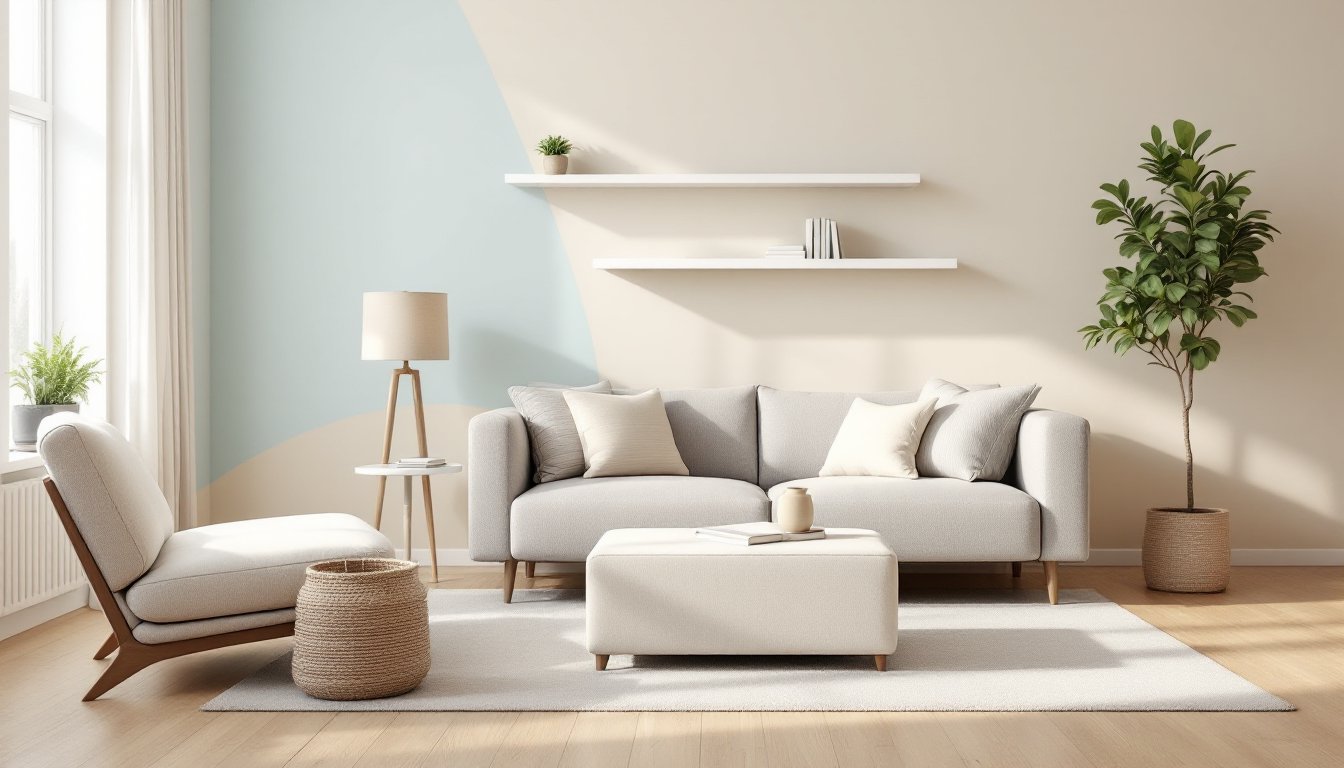
Floating shelves are affordable, flexible, and immediately expandable. Install them at eye level (around 57 to 60 inches from the floor) to create visual interest without dominating the space. Floating shelves with hidden brackets look cleaner than traditional shelf brackets, the mounting hardware is recessed into the back, leaving just the clean shelf edge visible.
Floating cabinets work even better if you need enclosed storage. A wall-mounted cabinet with doors keeps clutter hidden while still using vertical space. Opt for light-colored wood, white, or matte finishes that match your wall tone, these visually blend into the room rather than jumping out. Dark cabinets work too, but they can make a small room feel heavier, so pair them with plenty of open shelving nearby to balance the weight.
When installing shelves, start by finding the studs in your walls. Use a stud finder to locate them, shelves holding books, decorative items, or a TV need solid support rated for 25 to 50 pounds per shelf. Drywall anchors alone won’t cut it if you’re storing anything heavier than lightweight decor.
Stack shelves vertically to maximize the wall. Three shelves at different heights (one high, one mid-level, one lower) create visual rhythm and let you display items without making the wall look uniform or sterile. The variety in placement makes small rooms feel less monotonous.
Select Right-Sized Seating for Compact Spaces
Oversized furniture is the enemy of small rooms. A bulky sectional might look great in a showroom, but it can consume your entire living space and leave no room to move. Instead, think strategically about seating scale.
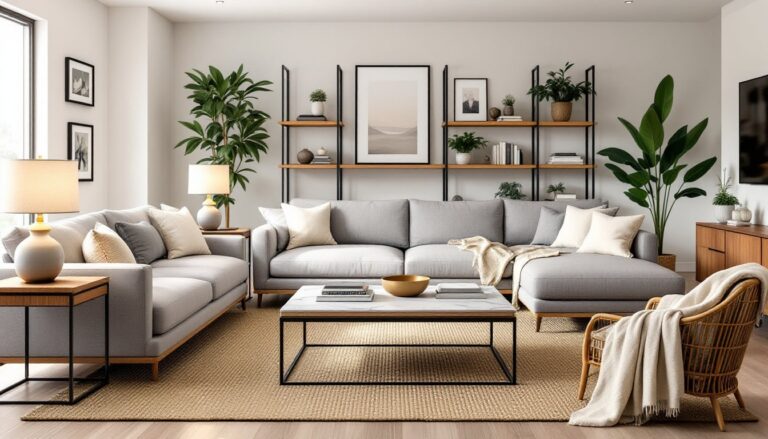
Measure your room before shopping. A standard apartment sofa is 72 to 84 inches wide: for smaller living rooms, look for 60 to 72-inch sofas. Take the depth into account too. Many deep sofas run 36 to 40 inches front to back, leaving minimal walking space. Look for shallower sofas at 32 to 35 inches deep, they still feel comfortable but don’t dominate the room.
Armless sofas or sofas with low arms create a more open, airy feel than heavily upholstered pieces. If you need additional seating, a pair of lightweight accent chairs (around 30 inches wide) takes less visual and physical space than pushing a second sofa into the room. Chairs with exposed legs also help, you can see the floor beneath them, which makes the room feel more spacious.
Consider a loveseat instead of a full sofa if your room is tight. A loveseat runs 50 to 65 inches wide and pairs well with two accent chairs or a single chair and a side table, creating a conversational seating arrangement that feels intentional rather than cramped. Furniture makers like Design Milk showcases modern compact seating options that prove small doesn’t mean uncomfortable.
Use Light Colors and Smart Layouts
Color and furniture placement have enormous impact on how spacious a room feels. Light, neutral colors, white, cream, soft grey, pale blue, reflect light and make the room feel airier. If you prefer bolder colors, use them as accents on pillows, throws, or a single accent wall rather than on large furniture pieces.
Furniture arrangement matters as much as furniture choice. Floating furniture (pulling it away from walls) creates defined zones and can actually make a small room feel larger and more intentional. Instead of pushing your sofa against the wall, angle it to face a window or focal point and place an accent chair at a 45-degree angle. This creates a cozy conversation area and makes the room feel layered rather than one-dimensional.
The home decor inspiration available online shows how strategic placement and light colors work together. When furniture sits only on walls, the room feels like a waiting room. When pieces float and colors stay light, compact spaces become intentional design choices rather than limitations.
Keep traffic paths clear. Leave at least 24 to 30 inches between furniture pieces so people can move without shuffling sideways. Cramming too much into a small room defeats the purpose, better to have one well-chosen sofa, a coffee table, and a console than to fill every corner.
Incorporate Flexible and Modular Designs
Modular furniture adapts to your space and evolves as your needs change. Instead of a fixed sofa, modular sectionals let you add or remove pieces. Start with a corner unit or a single sofa, then add a chaise or additional seat if your room grows or your needs shift. This flexibility means you’re not locked into one layout.
Nesting tables are another smart modular option. A set of three nesting tables takes the footprint of a single table but expands when you need surface space. Pull them apart for extra side tables when entertaining, then nest them back together for daily living. They’re lightweight, affordable, and solve the problem of needing “just one more place to set a drink.”
Storage cubes and shelving units that snap together let you build custom configurations. Rather than buying one massive bookcase, assemble smaller cube units in the arrangement that fits your walls. You can expand, rearrange, or reduce them later without replacing the entire system. Contemporary furniture design increasingly features modular systems that work for apartments and small homes.
Look for sofas with removable legs, swappable cushion covers, or interchangeable arms. These details mean you can refresh the look, repair damage, or reconfigure the piece without replacing it entirely. Modular design is practical and sustainable, it’s furniture that grows with you rather than becoming outdated or too large for your space.