
Beige Bedroom Furniture: The Ultimate Guide to Creating a Calm, Timeless Retreat
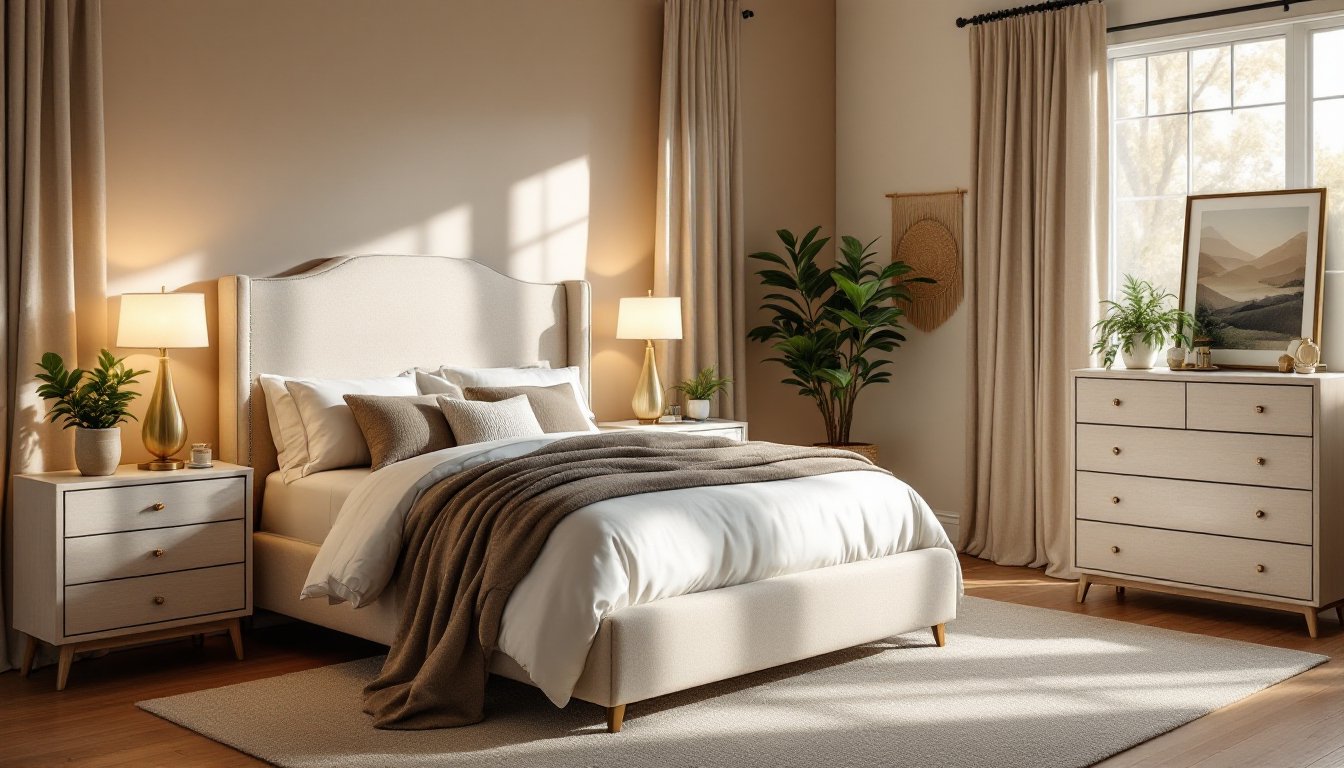
Beige bedroom furniture has become a go-to choice for homeowners seeking a serene, enduring aesthetic. Unlike trendy accent colors that cycle in and out of favor, beige works as a neutral foundation that adapts to changing decor while maintaining its appeal. Whether you’re furnishing a master bedroom, a guest room, or a cozy retreat, beige pieces offer flexibility and sophistication. The goal here isn’t just to fill space with furniture, it’s to create a cohesive, calming environment where quality construction and timeless design matter as much as color. This guide walks you through selecting, arranging, and styling beige bedroom furniture for a retreat that feels both intentional and inviting.
Key Takeaways
- Beige bedroom furniture offers a neutral, timeless foundation that adapts to changing decor while hiding wear better than lighter neutrals like white.
- Select bed frames with kiln-dried hardwood construction and solid slats spaced 3 inches apart to ensure durability and proper support for your mattress.
- Nightstands should sit level with your mattress top (26–30 inches tall) and feature ball-bearing drawer slides for smooth, long-lasting functionality.
- Layer textures, lighting, and accessories—such as cream throw blankets, warm-toned lamps (2700K), and plants—to prevent a flat, boring beige bedroom.
- Invest in quality dressers with dovetail joinery and soft-close drawers rather than particleboard construction for pieces that last decades longer.
- Pair beige furniture with statement elements like wooden accents, brass lighting, or artwork to create visual anchors and personality in a neutral space.
Why Beige Is the Perfect Choice for Bedroom Furniture
Beige occupies a unique position in interior design: it’s neutral without feeling cold, warm without demanding attention. A bedroom is where you decompress after a long day, and beige encourages that mental shift by avoiding visual stimulation. Unlike white, which can feel sterile or clinical, beige carries subtle warmth and depth. It also works well across different lighting conditions, soft in dim evening light, calm under bright morning sun.
From a practical standpoint, beige hides wear better than lighter neutrals. Dust and minor scuffs are less obvious on a beige dresser or bed frame than on crisp white pieces. That said, beige isn’t one color. Warm beiges lean toward tan and cream, while cooler beiges have gray undertones. Understanding where your beige falls on that spectrum helps you coordinate with wall paint, flooring, and textiles.
Beige also acts as a blank canvas for your personal style. You can layer it with bold throw pillows, natural wood accents, or metallic hardware without the furniture fighting back visually. This flexibility means your beige bedroom furniture grows with your taste rather than locking you into a specific design direction.
Essential Beige Furniture Pieces for Your Bedroom
Beds and Bed Frames
The bed is the visual anchor of your bedroom, so its frame and headboard set the tone. A beige upholstered bed frame, whether fabric or leather, brings softness and texture to the space. Look for frames with kiln-dried hardwood construction (not particleboard) to ensure longevity. Check that the slats or support system can handle your mattress weight without sagging: solid slats spaced 3 inches apart work well for standard innerspring or foam mattresses.
If you prefer a bed frame without upholstery, solid wood or veneer frames in beige finishes offer durability and a cleaner aesthetic. Real wood absorbs finishes more evenly than plywood, reducing the risk of chipping or peeling. Dimension-wise, measure your room before buying: a queen frame (60″ wide × 80″ long) is standard, but ensure you have at least 2 feet of walking space on either side.
Headboards don’t just look good, they protect your wall from dust and impact. A tall upholstered headboard in beige creates a sense of enclosure and luxury, while a low wooden headboard offers a more minimal look. Both work equally well with layered bedding.
Nightstands and Dressers
Nightstands anchor the sides of your bed and provide essential storage. A pair of matching beige nightstands creates visual balance: look for pieces with at least one drawer and a shelf for stacking books or keeping a lamp. Solid construction matters here, open the drawers and check that they glide smoothly on ball-bearing slides rather than cheaper friction slides.
Height is critical. Your nightstand should sit roughly level with your mattress top (typically 26 to 30 inches) so you can reach a lamp or phone without leaning. Standard nightstands are 24 to 30 inches tall: measure your mattress height to confirm.
Dressers serve double duty: storage and display. A beige dresser with five to six drawers gives you ample space without dominating the room. Wider dressers (48 to 60 inches) work well in master bedrooms, while narrower versions suit smaller spaces. Designers often recommend pairing dressers with a mirror, hang one above the dresser or place a leaning mirror against the wall for flexibility.
Look for dressers with dovetail joinery on drawers (visible interlocking joints) rather than stapled construction: dovetails last decades longer. Soft-close drawers cost more upfront but reduce slamming and wear. Material-wise, solid wood veneer over quality plywood offers a middle ground between solid wood (pricier, heavier) and particleboard (cheaper, less durable).
Styling Tips for a Cohesive Beige Bedroom Design
Once you’ve selected your core beige furniture, layering creates depth and prevents a flat, boring room. Start with textiles in varying tones: a cream throw blanket, a warm oatmeal area rug, and pillows in taupe or warm white add dimension without clashing.
Lighting matters enormously. Beige absorbs light differently than reflective whites, so your room may feel darker with the same fixtures. A pair of bedside lamps with warm-toned bulbs (2700K color temperature) balances cool overhead lighting and creates a relaxing atmosphere. Consider one statement floor lamp in a complementary material, brass, wood, or matte black, to add visual interest without breaking the neutral scheme.
Textural contrast keeps a beige room from feeling flat. Pair smooth upholstered nightstands with a natural wood dresser, then add a woven wall hanging or linen curtains. Furnishing a small bedroom using smart tricks shows how layering textures makes spaces feel larger and more intentional.
Accessories bridge color and personality. A wooden nightstand organizer, metal picture frames, or ceramic vases in warm neutrals keep the room cohesive while reflecting your style. Artwork, whether abstract prints or nature photography, anchors wall space above dressers or the bed. Interior design tips from professional stylists often emphasize that even a neutral room needs visual anchors to avoid looking unfinished.
Plant life brings freshness. A low-maintenance pothos or snake plant on a dresser or nightstand adds green without demanding fussy care. Plants also improve air quality, a practical bonus in a room where you spend eight hours a night.
Finally, don’t underestimate the impact of quality bedding and curtains. Heavy linen drapes in cream or warm white frame windows beautifully and provide blackout benefits if lined. A layered bed, mattress, fitted sheet, flat sheet, duvet, throw, invites you to rest and showcases texture variation. Luxury home decor inspiration frequently highlights how investment pieces and careful curation elevate neutral schemes into sophisticated retreats.
Conclusion
Beige bedroom furniture isn’t a compromise, it’s a strategic choice that prioritizes calm, versatility, and timeless style. By selecting well-constructed pieces with solid joinery, then layering textures and lighting thoughtfully, you build a bedroom that feels both restful and refined. Start with quality basics, then adjust with accessories as your taste evolves.