Halmuz Patio Furniture: The Complete Guide to Quality Outdoor Seating in 2026
When homeowners start planning their outdoor living spaces, they often find themselves stuck between wanting durability, style, and value. Halmuz patio furniture has carved out a reputation for delivering on all three fronts, offering pieces that look refined without requiring the budget of luxury brands. Whether you’re furnishing a deck, a patio, or a backyard retreat, understanding what Halmuz brings to the table, literally, helps you make informed decisions about your outdoor investment. This guide walks you through the brand’s strengths, popular collections, selection tips, and care strategies to help you get the most from your patio setup.
Key Takeaways
- Halmuz patio furniture balances durability, contemporary design, and mid-market pricing, making it an accessible choice for homeowners seeking quality outdoor spaces without luxury brand costs.
- Performance fabrics and aluminum frames with powder-coating finishes are key to Halmuz’s durability—they resist rust, fading, and moisture damage, reducing long-term replacement costs.
- Measure your patio space carefully and consider your climate zone before choosing Halmuz pieces, as material selection (aluminum vs. wood) and water-resistant cushions directly impact longevity in harsh environments.
- Seasonal sales in late summer and fall offer 20–40% discounts on Halmuz patio furniture, and buying essential pieces first (like a dining table and chairs) lets you expand your setup affordably over time.
- Regular maintenance—weekly brushing, monthly cushion vacuuming, and removing cushions during heavy rain—extends your Halmuz furniture’s lifespan by 5+ years and prevents mold growth.
- Mixing Halmuz pieces across collections or brands works well for customization, and replacing cushions every 3–5 years keeps your outdoor furniture investment looking fresh without replacing entire sets.
What Makes Halmuz Patio Furniture Stand Out
Design and Aesthetic Appeal
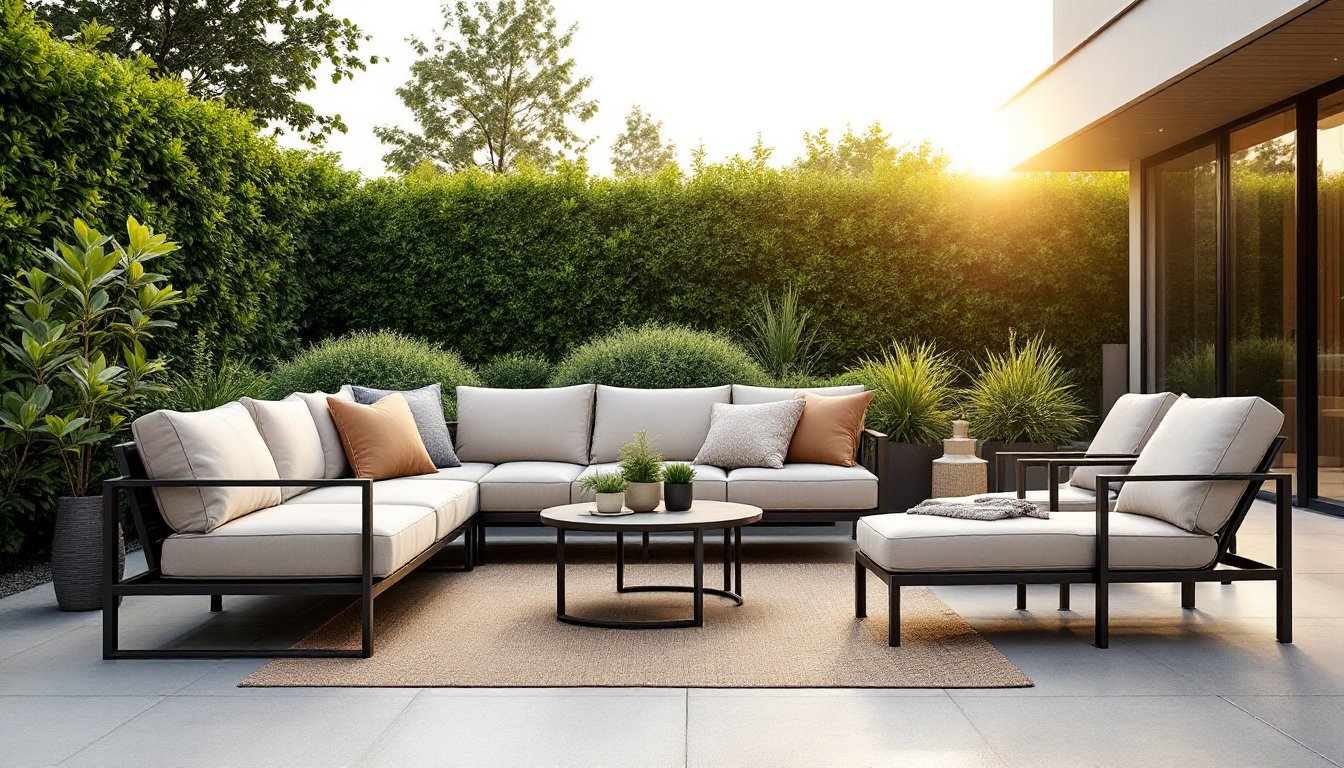
Halmuz patio furniture strikes a balance between contemporary and timeless design. The brand doesn’t chase every trend, but instead focuses on clean lines, neutral color palettes, and proportions that work with most home styles. Many collections feature modular designs, meaning you can rearrange, expand, or adjust them to fit your actual space rather than forcing your patio to fit a rigid set.
The visual appeal goes beyond appearance. Halmuz pieces incorporate thoughtful details: smooth welding on metal frames, properly angled seat backs that provide actual comfort, and cushions in performance fabrics that resist fading and mildew. These aren’t cosmetic touches: they signal that someone considered how people will actually use the furniture.
Durability and Material Quality
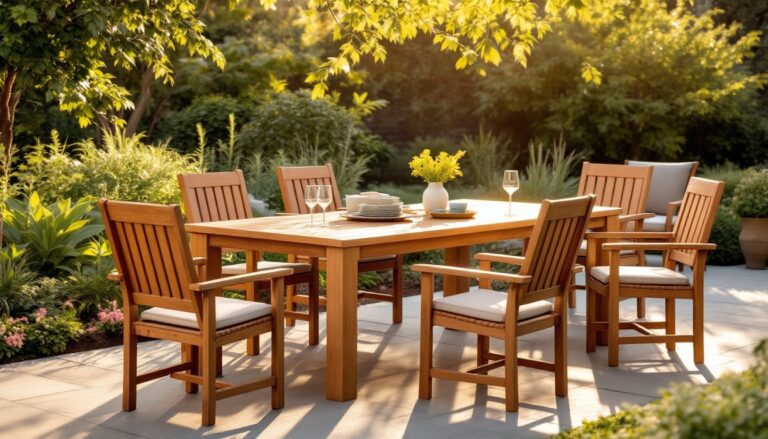
Halmuz typically works with materials built to withstand seasons of exposure. Aluminum frames resist rust and are lightweight enough to move around without a crew, while powder-coated finishes add protection and longevity. The brand also uses solid wood options, teak, acacia, or composite materials, depending on the collection, each chosen for weather resistance.
Cushions and fabrics matter as much as frames. Halmuz generally specifies solution-dyed or performance-grade textiles that don’t absorb water like standard fabrics do. This matters because wet cushions become heavy, uncomfortable, and prone to mold. The stitching is usually reinforced at stress points, extending the life of your investment. Warranty coverage varies by collection, so check the documentation for specific coverage terms before purchase.
Popular Halmuz Patio Furniture Collections and Styles
Halmuz releases collections seasonally, but certain styles have stayed strong. The Horizon line features minimalist aluminum frames with clean geometry, think modern condo aesthetics. It pairs well with neutral homes and doesn’t fight for visual attention on your patio.
The Retreat collection leans into comfort, with deeper seats and angled backs that feel more like lounging than perching. Prices run higher here, but DIYers and homeowners often cite it as worth the spend for afternoon reading or unwinding. The Coastal line plays up the natural-wood aesthetic with teak or composite decking-style surfaces, working particularly well for beach homes or gardens where a warmer tone suits the landscape.
Comparing patio furniture styles can be complex. Hammock vs. patio furniture guides highlight the differences between traditional seating and hanging options, which helps if you’re mixing furniture types in your outdoor space. Many homeowners discover they want both: structured seating for dining or conversation, plus hammocks or hanging chairs for relaxation zones.
Availability shifts year to year, so checking Halmuz’s current catalog on their website or through major outdoor furniture retailers (like Wayfair, Overstock, or specialty outdoor shops) is the best way to see what’s actually in stock. Seasonal sales in late summer and early fall often bring price cuts on current inventory.
How to Choose the Right Halmuz Pieces for Your Space
Start with honest measurements. Take the dimensions of your patio or deck, length, width, and the actual usable space after accounting for doors, railings, and foot traffic. Then measure your furniture. A 6-piece sectional that looks compact in a showroom can swallow a 10-by-12-foot patio entirely.
Consider your climate zone. If you live somewhere with harsh winters, UV-heavy summers, or frequent rain, prioritize pieces with removable, washable cushions and frames that don’t trap water. Aluminum with performance fabrics generally handles exposure better than untreated wood in humid or wet regions. If you’re in a coastal area, saltwater acceleration of corrosion is real, powder coating and stainless fasteners (not standard steel bolts) matter here.
Think about how you’ll actually use the space. Will you host dinner parties regularly? You need proper dining height tables (30 to 31 inches high) and sturdy chairs. Planning a reading nook? Lounge chairs or deep seating with good back support makes sense. Mixing purposes (dining + lounging) pushes you toward modular or dual-purpose pieces.
Budget comes next. Halmuz sits in the mid-market tier, not discount big-box pricing, but not luxury brand cost either. A solid seating set (sofa, loveseat, table) typically runs $1,200 to $2,500 depending on materials and size. Factor in cushion replacement costs (they wear out faster than frames, typically in 3 to 5 years) and maintenance supplies. Stylish hammocks and accent seating options can fill gaps or provide flexibility without breaking the budget if you need to phase purchases.
Maintenance and Care Tips for Long-Lasting Outdoor Furniture
Cleaning starts with the obvious: brush off debris regularly. Pollen, leaves, and dirt trap moisture and break down finishes. Use a soft brush or dry cloth weekly during heavy seasons. For deeper cleaning, mild soap and water work on aluminum and most performance fabrics, avoid harsh chemicals that strip protective coatings.
Cushions and fabric require specific attention. Vacuum them monthly to remove dust and pollen buildup. If they get wet, prop them upright to dry rather than sitting flat (which traps moisture underneath). If your cushions come off, remove them during heavy rain or extended cloudy periods: wet cushions are breeding grounds for mold. Many Halmuz collections allow you to buy replacement cushions separately, so if you keep the frames, refreshing cushions every 5 years keeps the whole set feeling newer.
Wood elements (if your collection includes teak or composite) benefit from occasional oiling or sealing, depending on the material. Check your specific product documentation, some composites need nothing, while natural teak may benefit from oil treatments to maintain color. Never use a pressure washer on patio furniture: high pressure damages finishes and can splinter wood.
Storage during off-season depends on your climate. In mild winters, a quality cover usually suffices. In harsh climates with heavy snow or extended freezing, moving pieces to a garage or shed protects them from salt spray, ice damage, and prolonged moisture exposure. If storing, ensure everything is completely dry first, moisture trapped under a cover accelerates mold growth. A simple storage shed or basement corner extends your furniture’s useful life significantly.
Budget-Friendly Options Without Sacrificing Quality
Halmuz’s competitive advantage is that you don’t need to choose between durability and affordability. A few tactics stretch your budget further. First, buy strategically by season, late summer and fall often see price reductions as retailers clear inventory for winter. Second, start with essential pieces and add over time. A quality dining table and 4 chairs ($600–$1,000) gives you a functional setup: add a lounge chair or small sofa the following year.
Third, consider mix-and-match. You don’t need a matching set from one line. A Halmuz table pairs just fine with chairs from a different collection or even brand if the dimensions and styles complement each other. This flexibility lets you cherry-pick the best value from each line.
Outlet sections and floor-model sales at major retailers stock Halmuz pieces at 20–40% off, sometimes because the cushion fabric is a discontinued color, not because the frame is defective. If you’re comfortable reupholstering or replacing cushions, these deals are goldmines. Fourth, explore retailers beyond the brand’s direct site. Regional outdoor furniture shops sometimes negotiate better pricing than national chains, especially if you’re buying multiple pieces.
Performance fabrics, the kind Halmuz typically specs, cost more upfront than basic synthetic fabrics, but they’re an investment that pays off. They resist fading, dry faster, and don’t absorb water like sponges. Over 5 years, you’ll replace basic fabric cushions twice while performance fabrics might last the entire period, offsetting the initial premium.