
Smart Shopping for Used Living Room Furniture: A Guide to Finding Great Deals in 2026
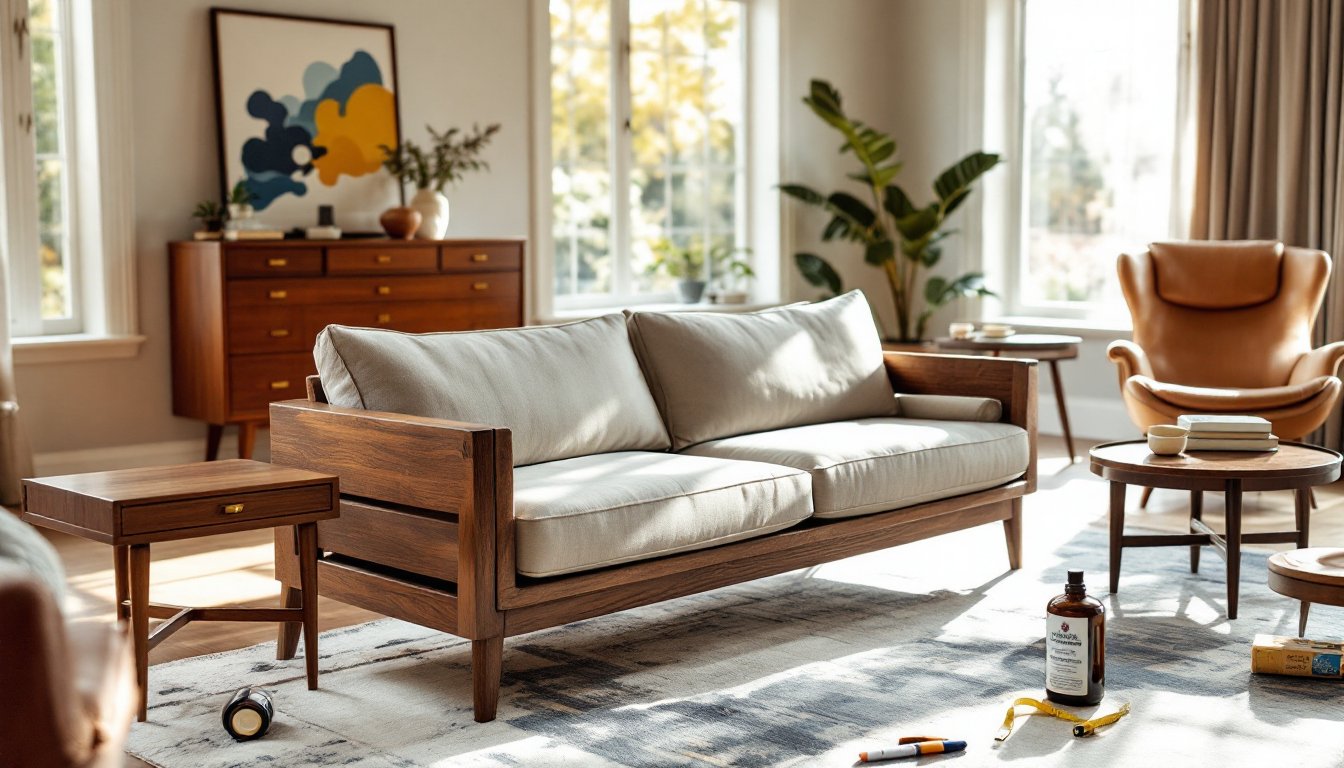
Buying used living room furniture is no longer a consolation prize for budget shoppers, it’s a smart move that seasoned homeowners and design-conscious DIYers are making intentionally. Whether you’re furnishing a new home, refreshing a tired space, or hunting for that perfect vintage sofa, used furniture offers significant savings, access to quality pieces that may no longer be in production, and the environmental benefit of keeping items out of landfills. The key is knowing where to look, what red flags to watch for, and how to bring tired pieces back to life. This guide walks you through the entire process: from finding sources and vetting condition to negotiating like a pro and tackling simple refurbishment projects.
Key Takeaways
- Quality used living room furniture typically costs 50–70% less than new alternatives while offering superior construction with solid wood frames and eight-way hand-tied springs designed to last decades.
- Top sources for finding used furniture include Facebook Marketplace, Craigslist, estate sales, consignment shops, and specialty platforms like Etsy for vintage pieces—always inspect items in person before purchasing.
- Inspect used furniture thoroughly by checking frame stability, examining fabric for wear and odors, testing functionality, and asking sellers about history, repairs, and whether the piece came from a smoke-free home.
- Negotiation is standard when buying used living room furniture; research comparable prices online and be specific about condition and repair costs you’ll need to address.
- Simple refurbishment projects like cleaning, hardware updates, re-foaming cushions ($150–$300 per cushion), or applying slipcovers ($200–$800) can transform used pieces without the $800–$2,500+ cost of professional reupholstering.
Why Used Living Room Furniture Makes Sense for Smart Homeowners
The math is straightforward: a quality used sofa or sectional can cost 50–70% less than its new counterpart, and often with better construction than budget-friendly retail alternatives. Many older pieces, solid wood frames, eight-way hand-tied springs, high-density foam, were built to outlast trends. Modern fast furniture, by contrast, is engineered for a 3–5 year lifespan.
Beyond price, used furniture opens doors to styles and eras you can’t easily find new. A mid-century credenza, a leather wingback, or a set of matched side tables become achievable without the specialist retailer markup. Designers and experienced decorators routinely source used pieces to add character and authenticity to rooms. You’re also reducing waste: textile and wood furniture manufacturing is resource-intensive, so extending an item’s life is genuinely better for the environment than buying another new mass-produced piece.
The trade-off is simple: you’ll invest time in hunting, inspecting, and sometimes cleaning or repair work rather than ordering from a website. For homeowners willing to do that legwork, the payoff in both budget and design quality is substantial.
Best Places to Find Quality Used Living Room Furniture
Online Marketplaces and Apps
Facebook Marketplace and Craigslist remain the fastest way to find local used furniture: you avoid shipping costs and can inspect before buying. Search filters help you narrow by price, material, and distance. Photos matter, request close-ups of fabric condition, wood finish, and any repairs. Reply quickly to listings you like: good deals move fast.
OfferUp, Letgo (now part of OfferUp), and regional apps serve similar functions, and some users prefer their interface. Nextdoor connects you with neighbors selling locally, which often includes vetted community members. For vintage and collectible pieces, Etsy and ADA (Antique Dealers Association) listings cater to buyers seeking authenticated mid-century or antique furniture, though expect premium pricing.
eBay is useful for specific, hard-to-find items, recliners, leather sectionals, designer pieces, though shipping costs can offset savings. Set search alerts on these platforms for furniture type and price range: you’ll get notifications when new listings match your criteria.
Local Options and Estate Sales
Estate sales and auctions are goldmines if you can attend in person or preview online. Liquidation companies manage the sale, furniture is often freshly cleaned, and prices are transparent. You’ll see the full condition in photos or in-person. Websites like EstateSales.net and Auction.com list sales by zip code: many allow online bidding.
Local furniture consignment shops curate inventory, so quality is often higher than random Marketplace listings. Consignment means the seller receives a cut when the item sells, so these shops keep pieces that actually move. They’ll also handle minor repairs or cleaning before resale. Vintage and thrift stores, Goodwill, Salvation Army, local independent shops, stock living room pieces sporadically. Visit regularly if you’re near them, or follow their social media to see new arrivals.
Antique malls and co-op furniture stores (where individual vendors rent booth space) let you browse many sellers in one stop. Booth vendors often negotiate on price, especially for larger pieces. Ask the mall office if the vendor is present: a direct conversation can land discounts.
How to Inspect and Evaluate Used Furniture Before Buying
Never buy used furniture sight unseen, and always inspect thoroughly before handing over money. Arrive with a clear head and good light, bring a flashlight if shopping at a fair or outdoor sale.
Check the frame by gently rocking and pushing the piece. A sturdy frame should feel solid, not wobbly. Lift one corner slightly: it should feel heavy and balanced. Flip the piece if possible to inspect the underside for signs of water damage, rot, or pest damage (look for tiny holes, droppings, or musty smells). Examine joints: joints should be tight, not separated or held together by old glue and hope.
Assess upholstery and fabric by running your hand over the surface. Feel for worn spots, staining, tears, and loose seams. Check under cushions and along seams, stains here are harder to hide. Sniff for odors: cigarette smoke, pet accidents, and mildew are tough to remove and may linger forever. If you love the piece but the fabric is shot, ask yourself: Can I afford reupholstering? A quality furniture upholsterer charges $800–$2,500+ for a sofa, depending on fabric choice and complexity.
Test functionality: Recline it, open drawers, check that hinges work smoothly. A broken mechanism is usually not worth fixing. Look at wood finishes for scratches, dents, and finish wear. Minor surface marks are normal: deep gouges or water rings may indicate rough handling. If wood looks dry or cracked, moisture or temperature swings may have damaged it.
Ask the seller directly: How old is the piece? Has it ever been repaired? Has it been in a smoke-free home? A honest seller will tell you. Don’t assume silence means no problems. If it’s from a non-smoking estate, ask for confirmation in writing (helpful for resale later).
Negotiating Price and Closing the Deal
Negotiation on used furniture is standard, not rude. Sellers expect it. Start by researching comparable pieces online: check recent Marketplace listings, consignment shop prices, and auction results for similar items. Use that data as your anchor.
When you make an offer, be specific about condition and what repairs or cleaning you’ll need to do. “I love it, but I’ll need to have the cushions cleaned and reupholster the seat, that’s another $1,200, so I’d offer $400” is reasonable and honest. Sellers respect directness. Round offers down slightly: instead of $600, offer $550. A small discount feels like a win for both parties.
If buying from a private seller, meet in public for safety. Bring cash in small bills if negotiating in person: it speeds closing. If using a digital payment app, confirm the seller has received it and you have a receipt before you leave. For larger purchases, ask if the seller will deliver or if you need to arrange pickup. Truck rental or moving labor can easily add $150–$400 to your total cost: factor this in before committing.
Get a written description of any agreed repairs or issues. A quick photo and text message exchange documenting condition and price is enough. If buying from a consignment shop or estate sale, you get a receipt: keep it in case you need to return the item if it’s damaged during transport.
Refurbishing and Updating Used Living Room Furniture
Once you’ve brought a piece home, simple refurbishment often transforms it from “looks used” to “looks intentional.” You don’t need professional skills for most tasks.
Cleaning and deodorizing is the first step. Vacuum all seams and under cushions with an upholstery attachment. For fabric sofas and chairs, sprinkle baking soda lightly over the surface, let it sit for 30 minutes, and vacuum thoroughly. For stubborn odors, spray a light mist of white vinegar solution (1 part vinegar to 3 parts water) and let dry completely with good air circulation. Leather can be cleaned with a leather-specific cleaner and conditioner: test on a hidden area first.
Wood furniture finishes can be refreshed without full refinishing. Dust with a soft cloth and wood-appropriate cleaner. For minor scratches on darker woods, a matching furniture marker or wood stain pen ($5–$15) works quickly. Deeper gouges or water rings may need sanding and touch-up stain, this is doable with sandpaper, stain, and a small brush, but requires patience. If the finish is badly worn, consult a professional refinisher.
Hardware updates are surprisingly transformative. Old brass knobs or drawer pulls can be swapped for new ones in minutes with just a screwdriver. This small change refreshes the look dramatically and costs $20–$60 for a set. Recessed or loose drawer joints can be tightened with wood glue and clamps: let dry overnight.
Upholstery fabric and cushions are where bigger investments pay off. If cushions are lumpy or flattened, most upholsterers can re-foam them for $150–$300 per cushion, a fraction of full reupholstering. For exposed fabric tears, iron-on patches designed for upholstery ($10–$20) provide temporary coverage if you’re not ready to reupholster. A slipcover ($200–$800, depending on size and fabric) is a budget-friendly alternative to full reupholstery and lets you change the look seasonally.
Resources like Young House Love feature detailed DIY furniture makeovers and painting tutorials for wood pieces. Apartment Therapy showcases budget makeovers and creative updates for smaller spaces. For design inspiration on how to integrate older pieces into modern rooms, Homedit highlights mixed-style interiors and furniture integration ideas.
Paint and stain for wood frames: If a wooden frame looks dated, quality furniture paint or stain can modernize it. Use furniture-grade paint or stain designed to flex with wood. Prep by lightly sanding and cleaning: apply thin coats with a foam brush or roller. Avoid regular house paint, which cracks and peels on furniture. Staining requires stripping old finish first, labor-intensive but achievable with stripper, scraper, and patience.